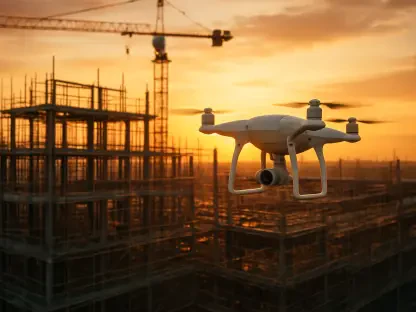

The global insurance landscape is currently undergoing a radical metamorphosis as machine intelligence replaces actuary tables with real-time, predictive climate modeling systems. This transition marks the end of an era where disaster response was largely an exercise in financial recovery after

Insurance organizations face a strategic paradox where moving too fast risks alienating the workforce while hesitating could result in total obsolescence against frontier competitors. This tension serves as the primary backdrop for the 2026 Dive In Festival, where industry leaders gathered to

Underwriters are shifting their focus from the fear of job displacement to the urgent need for tools that provide historical context and decision support. While the rapid integration of artificial intelligence within the commercial property and casualty insurance sector promised a new era of

The rapid shift from speculative experimentation to localized deployment has fundamentally altered how the global insurance market interprets the value of its massive data reserves. This integration of Artificial Intelligence (AI) represents a significant advancement, moving beyond simple

Projected transaction volumes for 2026 indicate a significant cooling period that allows remaining independent firms to re-evaluate their long-term trajectories. This shift represents a major departure from the frantic consolidation that gripped the United Kingdom's insurance landscape over the

Organizations that maintain immutable and offline backups can often restore data and resume operations without negotiating with ransomware attackers. This fundamental reality serves as the cornerstone of modern defense in an era where the traditional boundaries of cybersecurity have been