










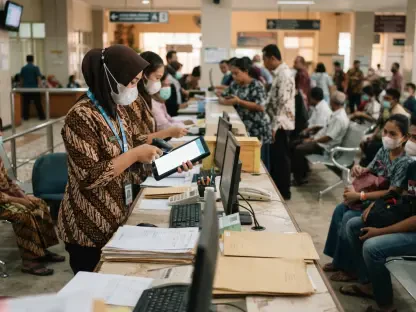
A multi-agency circular issued on July 30 mandated that healthcare facilities must move toward

By offering low-cost microinsurance for health and agriculture through the M-Pesa ecosystem, Kenyan

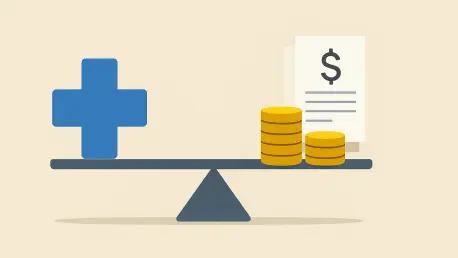
Market volatility and high deductibles are disproportionately impacting smaller enterprises that lack the bargaining power of companies with 200 or more employees. This financial strain is becoming a defining characteristic of the 2026 economic landscape, where the cost of providing a standard

In the context of complex demolition, the failure to verify an engineering design against approved plans is viewed as a breach of professional diligence. This distinction is vital in the high-stakes arena of modern construction, where the line between manual labor and specialized technical guidance

The persistent inability of the life and annuities sector to process complex policy applications

Modern insurance agencies are increasingly moving away from static scorecards toward dynamic

Major electronic health record vendors are deploying AI tools to automate clinical documentation and reduce the administrative burden on practicing physicians. A 2025 multicenter study published in…

A 75% faster turnaround on policy administration transitions shows what a value-led, multi-faceted

Insurance has always carried an awkward truth about itself. It is a product that has to be sold

The insurance industry's traditional claims process, built on manual documentation and sequential

Ongoing market shifts and regulatory uncertainties create challenges across the insurance sector.
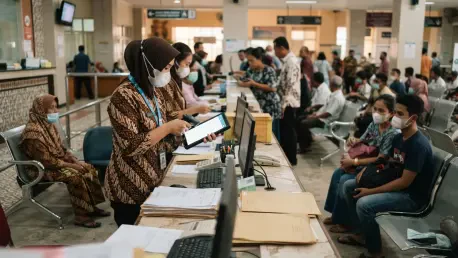
A multi-agency circular issued on July 30 mandated that healthcare facilities must move toward machine-readable formats for all insurance claim submissions. This directive represents a foundational shift for BPJS Kesehatan as it moves to integrate electronic medical records into the national
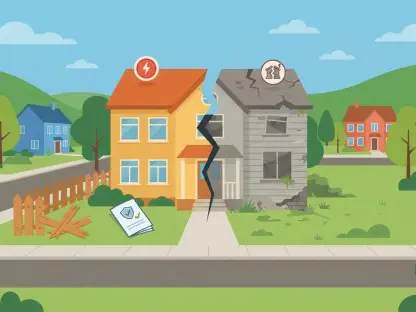
Policyholders must move away from the assumption of universal coverage and treat their insurance as

Current market conditions have pushed annuity payouts for a 70-year-old retiree to a 15-year high,