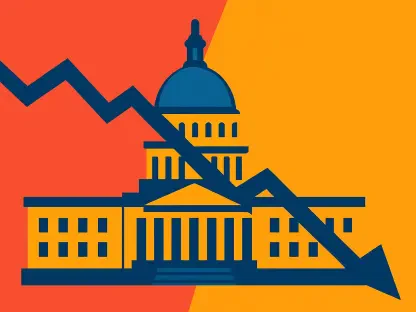

Current legislative shifts in Florida have created an environment where corporate interests receive government protection at the direct expense of individual property rights. For decades, the insurance contract stood as a reliable pillar of security, promising that in exchange for premiums, the
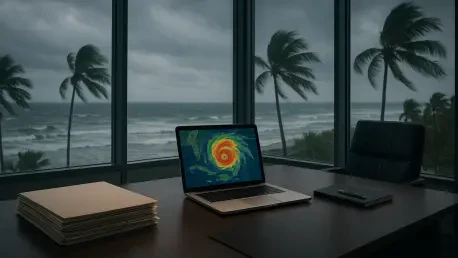
The financial stability of a household often depends on securing a flood policy well before a tropical wave is identified, as reactive purchasing is prevented by federal regulations. While the Florida insurance market remains technically operational throughout the year, the window for obtaining

Traditional health assurance pricing models currently rely almost exclusively on demographic risk bands and collective factors rather than recognizing individual behavior or claims history. This structural rigidity has led to a growing fairness gap where individuals who prioritize their physical

Cybercriminals are now deploying autonomous agents that can identify and exploit vulnerabilities with little to no human intervention, creating a permanent shift in threat velocity. This evolution necessitates a departure from traditional, siloed IT security measures in favor of a holistic

Without a mortgage-driven insurance requirement, many residents are unknowingly gambling their entire life savings against the increasing frequency of major hurricanes. As the landscape of 2026 unfolds, the Florida property market has arrived at a critical juncture where the cost of annual premiums

Aging utility networks and shifting population centers are creating infrastructure gaps that traditional insurance products were never designed to address. The global climate protection gap has reached a staggering $181 billion, leaving a massive disparity between economic losses and actual