
Without a mortgage-driven insurance requirement, many residents are unknowingly gambling their entire life savings against the increasing frequency of major hurricanes. As the landscape of 2026 unfolds, the Florida property market has arrived at a critical juncture where the cost of annual premiums for a standard single-family home often rivals the initial down payment paid decades ago. This intense financial pressure has led a significant segment of the population, particularly retirees who have successfully cleared their mortgages, to “go bare” by entirely dropping their windstorm coverage. While this move provides immediate relief to monthly household budgets, it creates a massive structural risk for the state’s broader economy. The absence of a reliable safety net means that a single catastrophic weather event could effectively wipe out the primary asset of thousands of residents, leading to a localized humanitarian crisis. Current data suggests that nearly twenty percent of homeowners are now opting out of traditional policies, relying instead on hope and inadequate emergency savings to protect their futures.
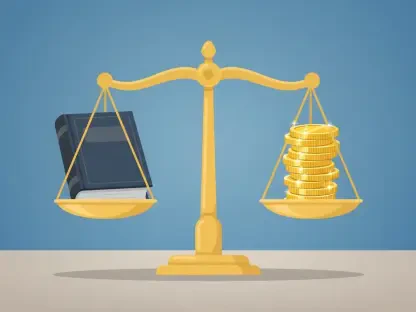
Financial Vulnerability: The Reality of Going Bare
Economic Drivers: The Surge in Premiums
The persistent rise in insurance costs from 2026 to 2028 reflects a complex interplay of global reinsurance rates and localized climate volatility that has left many Floridians with no viable options. In the current market, private carriers have significantly restricted their appetite for coastal properties, forcing homeowners toward the state-backed insurer of last resort, which has itself undergone mandatory rate hikes to remain solvent. For a homeowner on a fixed income, the choice between paying for essential medication or maintaining a fifteen-thousand-dollar annual insurance policy is often no choice at all. This trend is further complicated by the fact that property values continue to rise, making the replacement cost of these homes even more unattainable for someone without coverage. Moreover, the lack of competition among regional insurers has stifled innovation in policy structuring, leaving residents to face all-or-nothing scenarios regarding their financial protection. Without a diverse range of deductible options or specialized peril coverage, the middle class finds itself priced out of security.
Risk Management: Strategic Alternatives for Homeowners
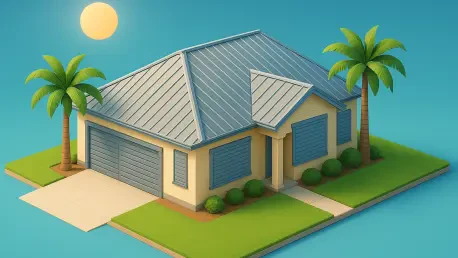
The transition toward self-insurance necessitated a rigorous approach to structural resilience and financial planning for those who moved away from traditional policies. Homeowners prioritized hardening their properties through the installation of high-impact glass and reinforced roofing systems to minimize potential damage from peak wind speeds. They established dedicated high-yield savings accounts specifically for repair costs, effectively acting as their own insurance providers for non-catastrophic events. Communities also leaned on localized mutual aid networks and neighborhood associations to coordinate debris removal and emergency repairs, reducing reliance on expensive professional contractors in the immediate aftermath of storms. These proactive measures were combined with a realistic assessment of property values, where individuals relocated to less vulnerable areas to preserve their capital. By focusing on physical fortification rather than just financial paperwork, residents sought to create a more sustainable model of homeownership in an increasingly volatile environment while maintaining liquidity for future emergencies.