
Current legislative shifts in Florida have created an environment where corporate interests receive government protection at the direct expense of individual property rights. For decades, the insurance contract stood as a reliable pillar of security, promising that in exchange for premiums, the insurer would bear the burden of catastrophic loss. However, a series of aggressive statutory revisions implemented between 2026 and 2028 has fundamentally altered this dynamic. These changes were designed to stabilize a volatile market, yet their practical application has often left policyholders with diminished leverage. When the legal framework shifts toward protecting the solvency of providers, the inherent value of the policy itself begins to erode. This transformation signals a departure from traditional consumer protections, forcing property owners to navigate a landscape where the terms of their agreements are increasingly subject to legislative interference that favors the industry.
Regulatory Changes: The Shift in Legal Standards
Legislative Overhaul: The End of Fee Shifting
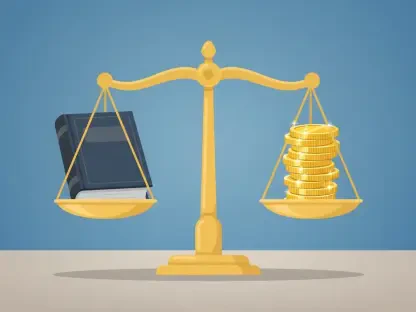
The repeal of the one-way attorney fee statute represents a significant departure from long-standing Florida legal traditions that once balanced the scales between individual citizens and multi-billion dollar corporations. Previously, if a policyholder successfully sued an insurer for a valid claim, the company was required to pay the legal costs, ensuring that the cost of litigation did not consume the actual insurance payout. Since the transition period between 2026 and 2028, this protection has vanished, effectively implementing a pay-to-play system that discourages all but the most affluent from seeking judicial relief. Critics argue that this shift incentivizes insurers to underpay or delay claims, knowing that many residents cannot afford the high hourly rates required to challenge a corporate legal team in court. Consequently, the legal right to enforce a contract has become a luxury rather than a standard protection, undermining the perceived security of property ownership.
Contractual Barriers: The Restriction of Assignment Rights
Furthermore, the total prohibition on the Assignment of Benefits has introduced a layer of logistical complexity that many homeowners find insurmountable during a crisis. Traditionally, policyholders could assign their claim rights to reputable contractors, allowing specialists to handle the complex negotiations with insurance adjusters while performing urgent repairs. By eliminating this mechanism, the legislature has forced individuals—often lacking technical expertise—to manage the entire claims process personally while their property remains in a state of disrepair. This change was promoted as a way to reduce fraud, yet it has primarily served to consolidate power within the insurance companies. Without the ability to delegate these rights, the speed of recovery for damaged properties has slowed, and the quality of repairs has become a secondary concern to the financial hurdles of securing payment. The resulting friction in the restoration market has made property maintenance more expensive.
Economic Consequences: Impact on Property and Business
Asset Valuation: The Diminishing Worth of Coverage
The erosion of these legal protections has a direct impact on the economic valuation of real estate assets and the stability of the mortgage market. When an insurance policy no longer guarantees a clear and enforceable path to recovery, lenders must reassess the risk profile of the properties they finance. In the evolving market between 2026 and 2028, financial institutions have begun to scrutinize the litigation gap created by these laws, recognizing that a damaged asset may sit in limbo far longer than in previous years. This uncertainty trickles down to the individual homeowner, who may find that their property is less liquid or less valuable because the underlying insurance contract is perceived as a weak instrument. If the promise to rebuild is subject to significant legal barriers and out-of-pocket litigation expenses, the policy functions more like a limited liability waiver for the insurer rather than a safety net for the owner. This shift threatens to destabilize the real estate economy.
Strategic Adaptation: Navigating New Property Standards
Property owners who successfully navigated these challenges adopted several proactive measures to protect their financial interests in this more restrictive legal climate. Savvy investors shifted their focus toward comprehensive property audits and maintained meticulous digital records of asset conditions to minimize disputes before they began. Many also sought supplemental gap coverage or specialized legal defense memberships to offset the lack of statutory fee-shifting protections. These actors recognized that relying solely on a standard policy was no longer a sufficient risk management strategy under the revised statutes. By treating insurance as one component of a broader legal and financial framework, they mitigated the potential for catastrophic loss and ensured a faster recovery process. Moving forward, the focus remained on legislative advocacy to restore a more equitable balance, while individuals prioritized the use of private adjusters. Investing in legal assistance clauses became a very effective method.