
The transition from traditional newborn blood spot testing to full genomic sequencing creates a massive volume of individual-level data vulnerable to law enforcement surveillance. As clinical practices in 2026 increasingly favor comprehensive genomic profiles over limited metabolic screens, the biological identity of infants is being digitized and stored at an unprecedented scale. While this technological leap promises to eradicate the diagnostic odyssey for thousands of families by identifying rare conditions before symptoms even appear, it simultaneously constructs a permanent digital footprint that remains with an individual from birth to grave. The core tension lies in the fact that while the medical benefits are immediate and quantifiable, the legal safeguards designed to protect this information are often antiquated or non-existent. Parents frequently find themselves balancing the desire for life-saving medical insights against the growing reality that their child’s most intimate data might eventually be accessed by entities far beyond the hospital walls.
The Shortcomings of Federal and State Mandates
Many Americans continue to operate under the assumption that the Health Insurance Portability and Accountability Act provides a universal shield for all sensitive health data, yet this belief overlooks significant structural gaps in the law. HIPAA was fundamentally designed to regulate covered entities, such as specific healthcare providers and insurance companies, meaning that genetic information generated by external research programs or direct-to-consumer platforms often sits in a legal gray area. If a baby’s genomic sequence is processed by a third-party laboratory that does not fall under the strict definition of a healthcare provider, those protections may not trigger until the results are formally filed within a medical record. Furthermore, the law contains over a dozen specific exceptions that permit the disclosure of sensitive health information without the patient’s explicit consent for purposes such as public health oversight, leaving data potentially exposed to secondary uses.
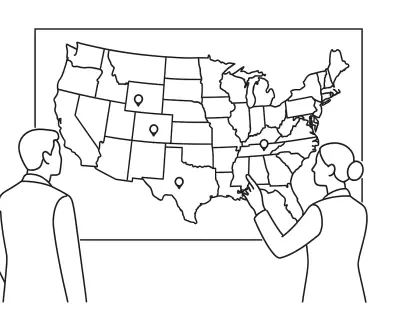
In the absence of comprehensive federal intervention, the responsibility for protecting genetic data has fallen to individual states, resulting in a fractured regulatory environment that varies wildly across the country. This postcode lottery means that an infant born in one jurisdiction may enjoy robust protections against the use of DNA in life insurance underwriting, while a child born just a few miles away across a state border may have no such legal recourse. For families that move between states during the course of a child’s development, this inconsistency creates a hazardous situation where rights once thought to be secure are suddenly nullified by new local statutes. This patchwork approach makes it virtually impossible for parents to provide truly informed consent, as they cannot predict which legal framework will govern their child’s data a decade from now. The discrepancy in state laws reflects a fundamental disagreement over whether genetic privacy is a basic civil right or a commodity.
Genetic Surveillance and Law Enforcement Risks
Beyond the financial and medical sectors, the integration of genomic sequencing into routine newborn care has introduced a significant new dimension to forensic investigation and law enforcement surveillance. Traditional DNA evidence was historically used to confirm the identity of a specific suspect who was already under investigation, but the creation of vast genomic databases enables a much broader and more invasive form of genetic searching. With the massive volume of data produced by full sequencing, authorities could potentially utilize these public health resources to identify unknown individuals through genetic markers found in relatives, effectively turning a healthcare tool into a perpetual surveillance asset. This shifts the purpose of newborn screening from a localized medical intervention to a nationwide biological ledger that can be cross-referenced for decades. The potential for mission creep threatens to transform a program built on public trust into a mechanism for state-level monitoring.
The current legal landscape regarding police access to newborn screening materials is characterized by an alarming lack of clarity and explicit oversight across much of the United States. Recent analysis shows that more than 25% of states have no formal, articulated policy regarding whether law enforcement agencies can legally access the biospecimens or digital data derived from newborn tests. Among the states that do have legislation on the books, roughly one-third utilize ambiguous language that could be interpreted by courts to allow authorities to subpoena or otherwise seize these sensitive medical records for investigative purposes. This statutory vacuum leaves the door open for precedent-setting cases that could permanently erode the privacy of millions of children whose data was collected under the guise of medical necessity. As forensic technology becomes more sophisticated in 2026, the absence of a genetic warrant requirement suggests the boundary between public health and criminal justice is porous.
The Future of Genomic Security and Privacy
The velocity of genomic innovation has consistently outpaced the ability of legislative bodies to craft meaningful protections, creating a regulatory environment that often prioritizes data utility over personal privacy. As full genomic sequencing moves toward becoming a standard part of the pediatric workflow in 2026, the volume of data being generated is growing exponentially, while the laws meant to govern it remain stuck in the era of limited blood spot testing. This discrepancy has allowed for the commercialization of de-identified data sets and the expansion of research initiatives that may not align with the original intentions of the parents. Without a unified, nationwide legal framework that addresses the specific nuances of genomic data—such as its inherent inability to be truly anonymous—the medical community risks a significant public backlash that could undermine the very programs intended to save lives. The need for proactive, technology-neutral laws has never been more urgent for families.
To navigate this complex landscape, the medical community and legal advocates focused on a dual approach of technological encryption and legislative reform. It became clear that relying on outdated federal mandates was insufficient, so parents and providers began demanding more transparent data-handling policies that explicitly prohibited secondary usage without renewed authorization. The implementation of robust, decentralized storage solutions helped mitigate some of the risks associated with centralized databases, while several states pioneered the creation of Genetic Bills of Rights to bridge the gaps left by HIPAA and GINA. These efforts sought to ensure that the undeniable benefits of early disease detection were not sacrificed at the altar of total surveillance or corporate profit. Moving forward, the focus shifted toward establishing a national standard for genetic sovereignty, where individuals maintained ownership over their biological blueprints regardless of where they resided or which insurance they sought.