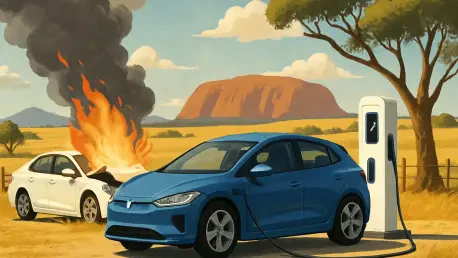

General motor repair costs in Australia have climbed by twenty-six percent since 2022, placing immense pressure on insurers who must now manage the added technical complexity of lithium-ion platforms. This economic strain coincides with a massive pivot across the Australian automotive sector as drivers increasingly abandon internal combustion engines for electric alternatives. While this transition supports international decarbonization goals, it has simultaneously triggered a profound stress test for the domestic insurance industry. Insurers and brokers are currently navigating a landscape where traditional risk models struggle to account for specialized repair requirements and shifting market values. As battery electric vehicles capture a larger share of the roads, the industry faces an urgent need to adapt. The current situation demands a comprehensive re-evaluation of how coverage is priced and delivered to ensure that the green revolution does not become an unsustainable financial burden for motorists.
Market Evolution: Accelerating Toward A Zero Emission Fleet
In a landmark shift for the local market, electric vehicles have demonstrated remarkable growth, fundamentally altering the sales hierarchy within the country. In September 2026, these vehicles accounted for 24.2% of all new car sales, marking the second consecutive month where they outperformed traditional petrol vehicles. This represents a doubling of the market share from 11.3% in the previous year, suggesting that the era of the early adopter has transitioned into mass-market integration. Conversely, the demand for petrol vehicles has plummeted, with sales dropping by over 36% year-on-year. This trend is not merely a statistical anomaly but a reflection of a broader change in consumer behavior across every state. Motorists are now embracing a diverse range of powertrains, facilitated by the implementation of the New Vehicle Efficiency Standard which went into effect last year. The momentum appears unstoppable as the infrastructure expands to meet demand.
NRMA Insurance, the nation’s largest motor insurer, reported an 80% surge in insurance quote requests during the first three quarters of 2026. This massive spike in interest highlights that Australians are no longer just curious about electric platforms but are actively looking to integrate them into their daily lives. For brokers, this surge presents a unique opportunity and a significant challenge in managing expectations regarding policy costs. The shift is being driven by both environmental awareness and a practical desire for modern technology. As more manufacturers introduce affordable models to the Australian market, the demographic of buyers is diversifying significantly beyond high-income households. However, the rapid pace of this adoption has caught some legacy systems off guard, requiring a swift update to diagnostic tools and processing workflows. The industry must now align its internal capabilities with the reality of a rapidly electrifying national car park.
Financial Obstacles: High Premiums And Technical Repair Costs
Despite the enthusiasm for green technology, a substantial financial hurdle remains in the form of elevated comprehensive insurance costs. Data indicates a persistent and widening pricing gap between electric and petrol policies that threatens to slow down adoption rates. On average, owners of electric cars are paying approximately $2,545 annually for insurance, compared to $1,702 for those driving petrol-powered vehicles. This discrepancy means that like-for-like premiums can be as much as 39% higher than those for comparable internal combustion models. For many families, this added expense offsets the savings typically gained from lower maintenance and fuel costs, complicating the overall value proposition. Brokers find themselves in a difficult position when advising clients, as the pricing for these newer platforms is often more volatile and less standardized. Actuarial data shows that the price range for a single electric model can vary by nearly double that of a similar petrol car.
The underlying causes for these high premiums are deeply rooted in the specialized nature of the hardware and the labor required for repairs. Electric vehicles are equipped with sophisticated battery systems and advanced onboard sensors that necessitate highly trained technicians. Currently, Australia faces a significant shortage of these specialists, which naturally drives up labor rates and increases the time a vehicle remains in the workshop. Furthermore, the battery pack remains the single most expensive component of any electric car, representing a significant portion of its total value. Even minor accidents that might compromise the structural integrity of the battery casing often result in the vehicle being declared a total loss. When replacement costs exceed the car’s market value, insurers have little choice but to write off the vehicle entirely. This high-risk scenario, combined with broader inflationary pressures in the global supply chain, keeps coverage prices at record highs.
Strategic Pathways: Towards A Sustainable Insurance Future
While high insurance costs are a deterrent, soaring fuel prices are pushing more Australians toward electric alternatives as a matter of economic survival. With petrol prices frequently hitting $3 per liter in major cities, the lower running costs of an electric motor provide a powerful financial incentive for high-mileage drivers. Many households now view the transition as a necessary hedge against volatile global energy markets and the rising cost of living that has characterized the mid-2020s. However, a significant confidence gap still exists among the public regarding battery longevity and the availability of charging stations. While some fears, such as the risk of battery fires, are often exaggerated compared to statistical realities, they continue to influence how consumers perceive the safety of these vehicles. Addressing these anxieties requires a concerted effort from both the government and the private sector to ensure that infrastructure keeps pace with the number of cars on the road.
To ensure the long-term sustainability of the automotive market, the insurance sector must work toward narrowing the premium gap through technological innovation and expanded partnerships. This required a multi-faceted approach where insurers invested in larger networks of qualified repairers and streamlined the supply chain for specialized parts. Developing more sophisticated actuarial models helped reflect the actual risk profiles of electric vehicles, leading to more competitive pricing for the average consumer. As the nation moved toward a rapid decarbonization pathway, the industry prioritized transparency and education to bridge the existing confidence gap. Future success depended on the ability to standardize battery health assessments and simplify the repair process for minor aesthetic damage. By the end of this transition period, stakeholders recognized that affordable coverage was the linchpin for a successful electric future. These strategic adjustments paved the way for a more resilient and equitable transportation ecosystem.