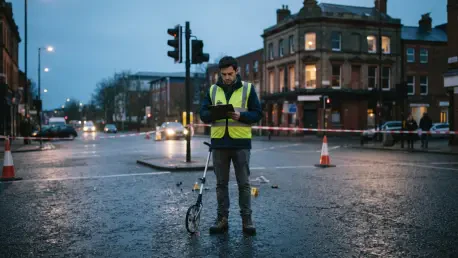

Toronto police closed the major intersection of Finch and McCowan for several hours to investigate a nighttime crash that left a pedestrian fighting for his life. The incident occurred shortly after 6 p.m. on November 21, 2026, when authorities were dispatched to a report of a vehicle striking a pedestrian. Upon arrival, first responders encountered a man suffering from severe, life-threatening injuries, necessitating immediate transport to a trauma center. While the driver of the vehicle remained at the scene and cooperated with the ongoing investigation, the intersection was cordoned off for several hours as forensic accident investigators analyzed the debris and gathered evidence. Details concerning the identity of the pedestrian or the specific circumstances leading to the collision were not immediately released to the public. This sobering event serves as a stark reminder of the vulnerability pedestrians face on busy urban streets and the complexities that follow such traumatic incidents in the legal realm.
1. Legal Foundations: Navigating the Provincial Accident Benefits System
In Ontario, the legal framework governing motor vehicle accidents provides significant protections for pedestrians through the Statutory Accident Benefits Schedule. This no-fault system is designed to ensure that victims receive essential financial support for medical treatment and rehabilitation, regardless of who is determined to be at fault for the crash. Even if an injured pedestrian does not own a car or possess their own insurance policy, they are generally entitled to claim benefits through the insurance of the driver involved in the collision or, in specific cases, through a provincial safety net fund. These benefits serve as a vital lifeline, covering expenses that are not addressed by the Ontario Health Insurance Plan, such as intensive physical therapy, psychological counseling, and occupational therapy. By prioritizing access to care over the determination of liability, the system allows families to focus on the immediate health needs of their loved ones while the insurance companies manage the initial financial obligations.
Expanding upon these protections, the severity of a pedestrian’s injuries plays a crucial role in determining the total amount of funding available for their recovery. When a collision results in life-threatening or permanent impairment, the victim may qualify for a catastrophic impairment designation, which significantly elevates the limits for medical, rehabilitation, and attendant care benefits. Beyond these standard benefits, a pedestrian also retains the right to pursue a tort claim against the negligent driver to recover damages for pain and suffering, lost earning capacity, and future care costs that exceed insurance limits. Furthermore, family members of the injured individual may be eligible to file claims under the Family Law Act for the loss of care, guidance, and companionship resulting from the incident. Understanding these distinct avenues of compensation is essential for ensuring that the long-term financial stability of the household is protected as the victim undergoes the arduous process of physical and emotional healing over the coming years.
2. Strategic Response: Prioritizing Medical Treatment and Notification Requirements
The first and most critical priority following a collision is the immediate and consistent pursuit of comprehensive medical care for the injured pedestrian. It is essential that the victim undergoes thorough evaluations at a hospital and follows through with every recommended specialist appointment or diagnostic test. These medical interactions do more than just facilitate physical recovery; they create a contemporaneous paper trail that documents the full extent of the injuries sustained in the crash. In the context of a legal claim, detailed hospital records and physician notes serve as objective evidence that connects the trauma to the accident, making it much harder for insurance companies to dispute the necessity of specific treatments. Consistent attendance at follow-up appointments also demonstrates a commitment to recovery, which is a key factor when seeking a catastrophic impairment designation or negotiating a settlement. Without this rigorous documentation, proving the long-term impact of the injuries becomes significantly more challenging.
In conjunction with medical care, strict adherence to insurance notification timelines is necessary to preserve the right to access benefits. In Ontario, an auto insurer must be notified of the collision within seven days of its occurrence, or as soon as is reasonably possible under the circumstances. If the injured pedestrian is incapacitated or remains in critical condition, a family member or a legal representative should act on their behalf to initiate this contact. This initial notification sets the claims process in motion and ensures that the necessary application forms are issued promptly. Delaying this step without a valid reason can provide insurance companies with grounds to delay or even deny the payment of benefits, which can put a significant financial strain on the victim’s family during a time of crisis. Proactive communication with the insurance provider ensures that funding for essential services, such as home-based attendant care or income replacement, can be established as quickly as possible to prevent further hardship.
3. Procedural Accuracy: Managing Application Forms and Police Investigation Data
Once the appropriate insurance forms have been received, the injured party or their representative must ensure that the completed application for accident benefits is submitted within thirty days. This deadline is a cornerstone of the provincial insurance system, and missing it can lead to administrative hurdles that stall the delivery of critical financial support. The application requires detailed information about the incident, the nature of the injuries, and the employment status of the victim if they are seeking income replacement benefits. Accuracy during this phase is paramount, as any inconsistencies can be scrutinized by insurance adjusters during the review process. For those dealing with life-threatening injuries, the complexity of these forms often necessitates professional assistance to ensure that every potential benefit, including non-earner benefits or caregiver allowances, is properly requested. Timely submission ensures that the flow of medical funding remains uninterrupted as the victim transitions from acute hospital care to long-term rehabilitation.
Simultaneously, obtaining a copy of the official police collision report and the associated incident number is a vital step in building a strong legal case. These documents provide a professional, third-party account of the scene, including weather conditions, road surface state, and any statements made by witnesses or the driver at the time of the event. While police investigations and insurance claims operate on different tracks, the findings of the Toronto Police Service can carry significant weight in determining liability for the crash. If officers decide to lay charges against the driver for traffic violations or criminal negligence, that information becomes a cornerstone of any subsequent lawsuit for damages. By securing these reports early, a pedestrian can ensure that their legal counsel has the necessary data to perform an independent reconstruction of the accident. This objective evidence is often the deciding factor in disputes over right-of-way or visibility, particularly in complex nighttime collisions at major intersections like Finch and McCowan.
4. Evidence Preservation: Safeguarding Physical Proof and Legal Rights
Preserving physical evidence from the day of the collision is a task that is often overlooked in the chaos following a serious injury but remains crucial for the integrity of a legal claim. Family members should take care to save the clothing and footwear the victim was wearing at the time of the crash, as these items can provide physical proof of the point of impact or the force of the collision. Photographs of the scene, visible bruising, or property damage such as a cracked phone screen should also be taken as soon as possible. Furthermore, it is vital to refrain from signing any releases or accepting quick settlement offers from insurance companies in the immediate aftermath of the event. The full scope of a pedestrian’s medical and financial needs may not be fully understood for months or years, and signing away rights prematurely can prevent the victim from seeking additional compensation if their condition worsens. Patience in the legal process ensures that any eventual settlement reflects the actual long-term reality of the victim’s life.
As the recovery process moves forward, the focus shifts toward meticulous documentation of all financial losses and the rigorous observation of legal filing deadlines. Family members should track every out-of-pocket expense, from hospital parking fees to the hours spent providing daily care that was previously unnecessary. This detailed log provides the foundation for a comprehensive claim for damages, ensuring that no financial burden falls solely on the shoulders of the victim. Simultaneously, legal representatives remain mindful of the 120-day notice period required to sue the at-fault driver and the overarching two-year statute of limitations to initiate a formal lawsuit. By meeting these critical milestones, the pedestrian’s right to seek justice for pain and future care remains fully protected. The combination of proactive medical management and insurance compliance establishes a path toward stability. These actions provide the security to navigate the future, ensuring that the legal system works for those most affected by road violence.