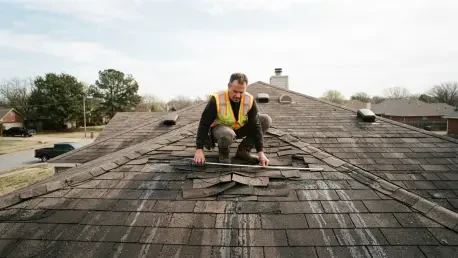

State Representative Andy Fugate argued that the opt-in nature of the settlement might leave deserving residents without recourse if they do not receive their official notices, highlighting the complex reality of the $47.86 million agreement. This resolution follows a multiyear market conduct examination that scrutinized how the state’s dominant insurer handled residential roof claims during a period of relentless wind and hail activity from 2021 through 2025. Regulators uncovered significant discrepancies in how claims were evaluated, often finding that valid damage was overlooked or systematically undervalued. For thousands of homeowners who spent years struggling with leaky roofs or mounting repair debts, this settlement represents more than just a financial payout; it is a critical test of whether state oversight can effectively hold massive corporations accountable. The sheer scale of the investigation reflects the gravity of the situation in Oklahoma, where high premiums and frequent storms create a high-stakes environment for property owners. Because the insurance market remains fragile, the outcome of this specific settlement will likely dictate the standard for consumer protection for several years to come. Homeowners are now watching closely to see if the promised restitution actually reaches those most affected by the insurer’s previous claims-handling practices.
Financial Structure: Allocation of Settlement Resources
The financial centerpiece of the agreement is the $35 million Claims-Review Escrow Fund, designed to provide direct compensation to policyholders whose claims were previously mishandled. This fund is not a static pool of money; it is a dynamic resource managed by an independent third-party administrator to ensure that every reconsideration is handled with objective scrutiny. If the volume of valid claims exceeds the initial $35 million, State Farm is legally obligated to negotiate in good faith for additional capital to satisfy those obligations. This structure provides a layer of protection for the state, ensuring that the burden of proof for the fund’s adequacy remains with the insurer. Any funds that remain in the escrow account after all eligible claims have been reviewed will not simply vanish into general corporate coffers. Instead, the agreement stipulates that surplus money must be redirected toward state-sponsored weather-resilience initiatives, effectively turning potential corporate savings into a public good. This approach ensures that the settlement serves both as a corrective measure for past errors and a foundation for future community safety.
Beyond direct payouts, the settlement allocates $10 million specifically to the Strengthen Oklahoma Homes program. This initiative is a proactive response to the reality that Oklahoma is one of the most storm-prone regions in the country. The program provides grants of up to $10,000 to help residents upgrade their properties to meet the “Fortified” standard, which uses high-impact materials and specific installation techniques to resist wind and hail damage. By funding this program, the settlement acknowledges that financial restitution is only one part of the equation; long-term stability requires building homes that can withstand the elements. Additionally, the agreement includes $2.86 million in fines and administrative reimbursements, which covers the significant costs incurred by the state during the lengthy investigation. This multi-tiered financial strategy aims to penalize past misconduct while simultaneously investing in a more durable infrastructure for the future. For the average homeowner, this means the settlement is not just about a one-time check, but about a systemic shift toward a more resilient housing market that could eventually lead to lower insurance premiums across the state.
Claim Qualifications: Defining the Eligible Pool
To participate in the settlement, homeowners must satisfy a specific set of eligibility requirements that define the scope of the investigation. The primary focus is on residential roof claims with a date of loss occurring between January 1, 2021, and December 31, 2025. This timeframe covers a period of intense storm activity where regulators found the highest concentration of questionable claims-handling practices. The eligibility criteria are intentionally broad to capture various types of financial harm. Homeowners are eligible if their original claims were closed without any payment, or if the insurer determined the damage was valued below the policyholder’s deductible. Furthermore, claims that received only partial payments—often leaving the homeowner unable to complete necessary professional repairs—are also included in the review pool. This ensures that even those who received some level of assistance can still seek a full remedy if their initial settlement was insufficient. The goal is to cast a wide net to catch as many potentially wronged policyholders as possible, providing a second chance at a fair evaluation.
While the settlement aims to be inclusive, there are several critical exclusions that policyholders must understand before attempting to join the program. Individuals who have already reached a final legal resolution regarding their claim are generally ineligible for further funds from this specific escrow. This includes cases where a final court judgment was entered or where a voluntary settlement agreement was signed that already included a release of further claims. Additionally, any claim that was voluntarily withdrawn by the homeowner before the insurance company made a final determination is excluded from this reconsideration process. These limitations are designed to prevent “double-dipping” or the reopening of cases that were already resolved through standard legal or administrative channels. For those who fall into these excluded categories, the settlement offers no direct financial relief, though they may still benefit from the broader market improvements and resilience programs funded by the agreement. Identifying where a claim fits within these boundaries is the first and most vital step for any Oklahoma resident looking to benefit from the state’s intervention.
Review Procedures: Navigating the Independent Evaluation
The process for seeking reconsideration is a proactive endeavor that requires policyholders to engage directly with the notification system. State Farm is mandated to identify and send written notices to all potentially eligible homeowners, informing them of their right to opt into the review program. Once this notification is received, a strict 180-day window begins, during which the homeowner must officially signal their intent to participate. This is a critical period; missing the deadline effectively forfeits the opportunity to access the $35 million escrow fund. The review itself is conducted by an independent administrator, who is tasked with looking at the original claim file with a fresh set of eyes. This administrator will consider not only the evidence originally gathered by the insurer but also any new documentation the homeowner can provide. This includes contractor estimates, independent inspection reports, and high-resolution photographs of the damage. The presence of a neutral third party is intended to remove the inherent conflict of interest that occurs when an insurance company reviews its own prior denials, offering a much-needed sense of transparency.
While the independent review offers a streamlined path to potential payment, it involves a significant legal trade-off that requires careful consideration. If the third-party administrator determines that a homeowner is entitled to an additional payout, the recipient must sign a comprehensive legal release before the funds are disbursed. This release typically prevents the policyholder from pursuing any further litigation or claims against State Farm regarding that specific loss incident. It is a “finality” clause that protects the insurer from future legal exposure once the settlement payment is made. For some homeowners, the certainty of a guaranteed payout through the settlement may be more attractive than the risks and delays of a private lawsuit. However, others with exceptionally high-value damage or complex legal claims might find that the settlement offer does not fully cover their losses. Consequently, the decision to opt in and sign the release is a strategic one that should be based on a thorough assessment of the total damage and the likelihood of success in a traditional courtroom setting.
Competing Narratives: Corporate Defense and Political Skepticism
Throughout the negotiation and subsequent announcement of the settlement, State Farm has maintained a consistent defense of its operational practices. The company has framed the $47.86 million agreement as a “negotiated resolution” rather than an admission of any systemic failure or legal wrongdoing. From their perspective, the sheer volume of claims processed in Oklahoma—exceeding 100,000 during the period in question—makes a certain number of disputes inevitable. They have also pointed to their substantial net underwriting losses, which reached nearly $178.5 million in the state, as evidence that they have fulfilled their financial obligations to the market. State Farm’s leadership argues that the regulators’ findings were based on a limited sample of claims that do not accurately represent the quality of service provided to the vast majority of their policyholders. This corporate narrative serves to protect the company’s brand and limit its liability in potential class-action lawsuits, while still allowing them to move forward and put the regulatory scrutiny behind them.
In contrast to the insurer’s defensive posture, Oklahoma’s political and regulatory landscape is currently marked by a divide over the settlement’s effectiveness. While the current insurance administration celebrated the deal as a landmark victory for consumer protection, incoming leaders and some state legislators have expressed deep reservations. Incoming Insurance Commissioner Bob Sullivan voiced concerns regarding a specific provision that prohibits the state from launching new market conduct examinations of State Farm for the next 12 months. Critics argue that this “audit holiday” could tie the hands of the new administration and prevent them from investigating any new issues that might arise in the immediate future. Furthermore, representatives like Andy Fugate have raised the alarm about the “opt-in” requirement, fearing that the most vulnerable residents—those who may have moved or who struggle with administrative paperwork—will be left out. This political tension reflects a broader debate about the balance of power between state regulators and the massive insurance entities that dominate the local market.
Market Evolution: Long-term Resilience and Proactive Steps
As State Farm insures more than 30% of the homes in Oklahoma, the ripple effects of this settlement will likely be felt by every major player in the state’s insurance industry. The settlement serves as a warning to other providers that the Oklahoma Insurance Department is willing to conduct deep-dive audits and demand multimillion-dollar restitutions if claims-handling standards are not met. This increased oversight is vital in a state where homeowners face some of the highest insurance costs in the nation due to the frequency of severe weather. The goal is to foster a more transparent and fair market environment where policyholders can trust that their claims will be evaluated fairly the first time. If the settlement succeeds in changing corporate culture, it could lead to a more stable industry where fewer disputes reach the level of state intervention. The emphasis on independent reviews and third-party administration sets a new benchmark for how future insurance disputes might be resolved without the need for protracted and expensive litigation.
Ultimately, the $47.86 million settlement functioned as a wake-up call for the entire regional insurance industry. It proved that state regulators possessed the tools to challenge even the largest market participants when claims-handling patterns deviated from fair standards. Homeowners who successfully navigated the review process secured the funds necessary to restore their properties, while others utilized the Strengthen Oklahoma Homes grants to break the cycle of storm damage and repair. This shift toward fortified construction emerged as the most viable long-term solution to the state’s environmental volatility. Moving forward, property owners prioritized rigorous documentation and sought independent inspections immediately following severe weather events to avoid the pitfalls of the past. The state’s insurance landscape matured, emphasizing that while settlements provided essential relief, the true path to stability lay in a combination of corporate transparency and proactive residential fortification. Those who took immediate action following the 2026 announcement ensured their homes were better prepared for the next decade of environmental challenges.