
The traditional paradigm of home insurance has long been characterized by a reactive stance where policyholders only engage with their providers in the immediate aftermath of a significant domestic crisis or a financial loss. This outdated model often leaves homeowners feeling disconnected from the very services designed to protect their most valuable assets during times of uncertainty. As the landscape of domestic living undergoes a rapid digital transformation, John Lewis Money has emerged as a pivotal force in redefining the relationship between financial security and the physical home environment. By moving beyond the conventional role of a mere safety net, the organization is integrating advanced technology and consumer-centric design to create a more holistic approach to protection. This evolution reflects a broader trend in the market where consumers demand transparency, ease of access, and proactive risk management rather than just a promise of reimbursement after a disaster occurs. By prioritizing the preservation of the home over the simple payment of damages, the financial services sector is setting a new standard for operational efficiency and consumer care in a hyper-connected world.
Technological Integration: From Reaction to Prevention
The Role of Smart Sensors in Domestic Security
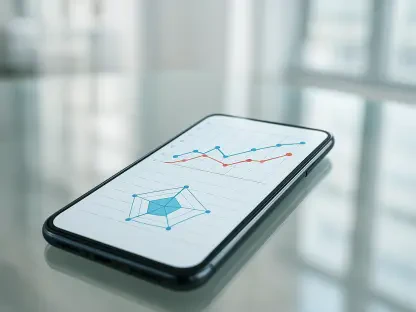
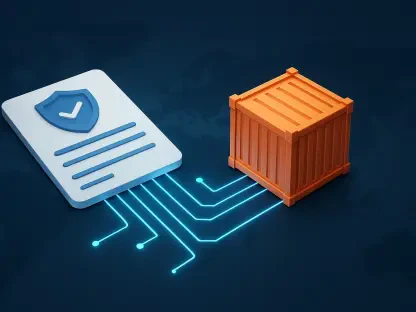
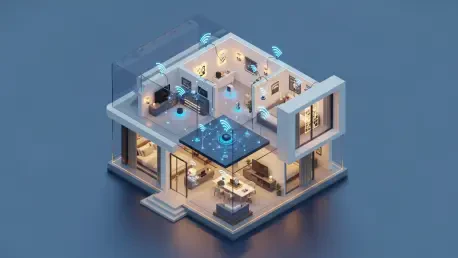
The integration of smart home technology has become a cornerstone of this modern strategy, shifting the focus from claims processing to active damage prevention. By deploying Internet of Things (IoT) sensors that monitor for water leaks, smoke, and unauthorized entry, the insurer provides a real-time defense system that can mitigate risks before they escalate into costly repairs. These devices are seamlessly connected to a central digital hub, allowing homeowners to receive instant notifications on their smartphones and take immediate action, such as shutting off the main water valve remotely. This technological layer does more than just lower premiums; it provides a sense of agency to the policyholder, transforming them from a passive participant into an active guardian of their own property. Furthermore, the data gathered by these systems allows for more accurate risk assessments, ensuring that the coverage provided is precisely calibrated to the specific vulnerabilities of each individual home environment, rather than being based solely on broad regional generalizations or outdated historical statistics.
Customizable Coverage for Modern Living Environments
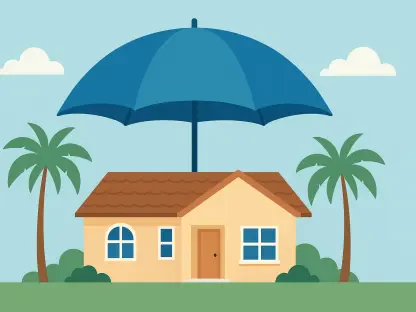
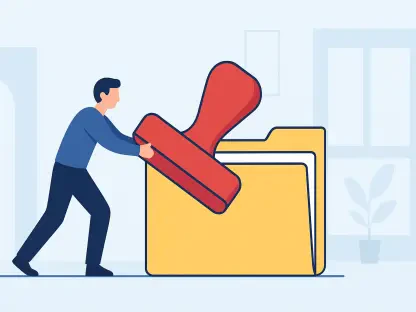
Beyond technological hardware, the reimagined approach emphasizes a modular and highly flexible policy structure that accommodates the diverse and changing needs of modern households. Traditional one-size-fits-all policies are being replaced by customizable options that allow individuals to protect specific high-value items, home office equipment, or temporary guests without the burden of long-term commitments. This agility is particularly valuable for the growing number of people who work from home or participate in the sharing economy, as it ensures that their professional and personal assets are adequately covered under a single, cohesive framework. The user experience is further enhanced by a streamlined digital interface that simplifies the often-convoluted language of insurance contracts into clear, actionable terms. By removing the barriers of complexity and rigidness, the insurer fosters a more transparent relationship with its customers, where the value of the protection is easily understood and the process of adjusting coverage is as simple as a few taps on a mobile device.
Strategic Recommendations: Securing the Future Home
The transition toward this proactive and technology-integrated insurance model successfully shifted the industry focus from mere financial reimbursement to comprehensive home preservation. Homeowners who adopted these smart systems experienced a significant reduction in major domestic incidents, which in turn contributed to a more stable and predictable insurance market. To fully capitalize on these advancements, individuals should have ensured that their home networks were secure and that their IoT devices remained updated with the latest software patches. Moving forward, it was essential for consumers to view their insurance not as a static legal requirement, but as a dynamic service that evolved alongside their living habits and property improvements. The strategic alignment between financial protection and proactive maintenance demonstrated that modern insurance could serve as a valuable tool for long-term property health. By embracing this holistic approach, households secured their assets against traditional risks while simultaneously enhancing their overall quality of life in a digital environment.