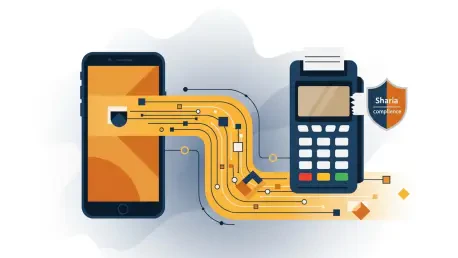

Simon Glairy is a recognized expert in the fields of insurance and Insurtech, with a specialized focus on risk management and AI-driven risk assessment. His work often bridges the gap between traditional financial structures and the cutting-edge digital solutions that empower modern entrepreneurs in emerging markets. In this conversation, we explore the strategic implications of the partnership between Bokra and Geidea Egypt, which brings Sharia-compliant digital savings to a massive network of local merchants. We discuss how these innovations solve the persistent problem of idle liquidity and why embedding financial services directly into payment systems is the future of the small business sector.
The discussion covers the mechanics of converting daily collections into growth capital, the significance of Sharia compliance in the Egyptian retail market, and the transition of payment providers into comprehensive financial hubs that manage the entire capital lifecycle.
Small business owners often leave daily collections in non-interest-bearing accounts, which limits their potential; how does this new collaboration specifically address this “idle cash” problem for Egyptian merchants?
The partnership between Bokra and Geidea addresses a long-standing inefficiency where funds from daily sales sit dormant, losing value instead of working for the business owner. By integrating Bokra’s savings platform directly into the payment infrastructure used by more than 200,000 merchants, the system allows them to earn daily returns on excess liquidity. This move is transformative because it provides returns that are entirely Sharia-compliant, ensuring that the growth is ethical and asset-backed. Merchants no longer have to feel the frustration of seeing hard-earned revenue sitting static at the end of a busy retail day, as the technology handles the heavy lifting of reinvesting that cash. It creates a sense of financial empowerment where every pound earned through a terminal has the potential to multiply while maintaining the flexibility to withdraw funds whenever operational costs arise.
Beyond just processing payments, how does the integration of wealth management tools change the competitive landscape for small and medium-sized enterprises?
This shift allows small business owners in Egypt to finally compete with larger enterprises by giving them access to sophisticated cash flow optimization tools that were previously unavailable to the SME sector. When a merchant can manage their entire financial lifecycle—from payment collection to savings and reinvestment—within a single ecosystem, it reduces the reliance on cash and encourages the adoption of regulated digital finance. The automation of daily collections into interest-bearing assets means even a small retail shop can benefit from the same wealth management strategies used by major corporations. This level of inclusion helps lower the barrier to entry for formal financial services, supporting a more robust digital transformation across the country’s diverse retail landscape. By utilizing a single platform for all their needs, merchants can focus on their core business operations while their available cash liquidity is being optimized in the background.
In a market like Egypt, why is the asset-backed and Sharia-compliant nature of these investments so critical for widespread adoption among local merchants?
Cultural alignment is the bedrock of financial inclusion, and in Egypt, a significant portion of the merchant base seeks financial products that align with their ethical values and Sharia principles. By offering Sharia-compliant returns, the collaboration removes a major barrier that has historically kept many small business owners away from digital banking products. These investments are transparently linked to tangible assets like real estate and precious metals, which provides a level of security and trust that purely speculative instruments cannot match. Knowing that their money is part of an ethical, asset-backed structure allows merchants to invest with confidence and peace of mind rather than skepticism. This trust is essential for moving the needle on digital transformation, as it encourages merchants to move away from cash and into a more formal, transparent financial environment that respects their values.
What is your forecast for the evolution of payment companies as they transition into full-stack financial hubs?
I expect to see a rapid evolution where payment providers that fail to offer comprehensive financial services will struggle to remain competitive in an increasingly crowded market. The success of this initiative proves that payments are just the beginning; the real value lies in becoming a central hub that manages every aspect of a merchant’s capital from collection to reinvestment. We will likely see more companies proving that they must evolve into full-stack financial hubs to solve the ‘idle cash’ problem for SMEs and remain relevant. This transition will be a significant milestone for the fintech ecosystem, turning simple tools for transaction acceptance into powerful engines for economic growth and digital inclusion. Ultimately, this shift will redefine how working capital is managed, making sophisticated digital savings a standard expectation for the 200,000 and more merchants driving the local economy.