
The serene atmosphere of a backyard celebration frequently masks a complex web of legal and financial vulnerabilities that can jeopardize a homeowner’s most significant assets if an unforeseen injury occurs. Hosting a large-scale event involves much more than just coordinating catering and music; it requires a deep understanding of the fine print within a standard homeowners insurance policy. Most policies are designed to cover accidental occurrences during typical residential use, but as the scale of a gathering increases, the lines between personal leisure and high-risk activity often begin to blur. Insurance providers carefully examine the circumstances surrounding claims made during events to determine if the homeowner failed to maintain a safe environment or if they knowingly bypassed safety regulations. Consequently, what began as a simple celebration could evolve into a complex legal dispute that threatens the very coverage designed to protect the home, leaving the resident with massive out-of-pocket expenses for medical bills or legal defense.
Navigating the Complexities of Liability and Negligence
Legal frameworks surrounding social host liability have become increasingly stringent throughout 2026, placing a significant burden of responsibility on individuals who serve alcohol within their private residences. If a guest is overserved and subsequently causes a motor vehicle accident, the host may find themselves facing lawsuits that their standard liability limit cannot fully cover. Furthermore, many insurance carriers include specific clauses that exclude coverage for incidents resulting from illegal acts, such as providing alcohol to minors or operating an unlicensed bar setup. The distinction between a casual get-together and a regulated event is often determined by the presence of professional services or the exchange of money for beverages. When a homeowner takes on the role of a provider, they essentially step into a realm of risk typically reserved for commercial establishments, often without the necessary protections to buffer against potential litigation or settlements that exceed several hundred thousand dollars.
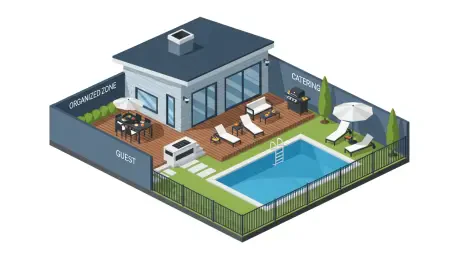
Physical hazards such as un-fenced swimming pools, temporary structures like bouncy houses, and the use of consumer-grade pyrotechnics represent significant red flags for insurance adjusters evaluating a claim. Many policies specifically exclude injuries sustained on attractive nuisances if specific safety protocols, such as a four-sided fence with a self-closing gate, were not strictly followed at the time of the incident. If a homeowner rents high-risk equipment for a summer bash without informing their agent, they may inadvertently violate the terms of their agreement, leading to a denial of claims related to that equipment. The assumption that standard liability coverage is a catch-all for any backyard injury is a dangerous misconception that overlooks the specific exclusion lists found in modern insurance documents. It is imperative to recognize that the momentary thrill of a firework display can lead to permanent financial consequences if the activity falls outside the scope of traditional residential behavior.
Strategic Risk Mitigation and Policy Management
The modern trend of monetizing private properties through event-hosting platforms or charging cover fees for themed parties has created a significant rift between homeowners and their insurance providers. Once a social gathering involves a financial transaction—whether it is a ticket fee for a live band or the sale of artisanal cocktails—the property’s use shifts from residential to commercial in the eyes of the law. Standard homeowners insurance strictly prohibits business activities unless a specific rider has been added to the policy prior to the event. Failing to disclose the commercial nature of a party can result in the immediate voiding of coverage for any incident occurring during the event, as the risk profile has been fundamentally altered without the insurer’s consent. This is not limited to large-scale operations; even small-scale monetization efforts can trigger these clauses, leaving the host vulnerable to lawsuits from guests or neighbors who might report the activity to authorities.
Protecting a home while maintaining a vibrant social life required a disciplined approach to risk assessment and a thorough vetting of existing insurance contracts. Successful hosts prioritized the implementation of safety measures, such as hiring certified lifeguards for pool parties and utilizing professional catering services that carried their own liability insurance. They conducted pre-event inspections to identify potential tripping hazards or structural weaknesses in decks and patios, documenting these efforts to demonstrate a commitment to guest safety. Furthermore, many homeowners chose to secure umbrella insurance policies that provided broader protection across various categories of risk, ensuring that personal assets remained shielded from the fallout of an accidental injury. By consulting with insurance experts well before the first invitations were sent, these individuals avoided the common pitfalls that transformed celebratory gatherings into financial disasters. The transition from a vulnerable host to a protected one depended on the foresight to treat a party with due diligence.