
Secondary perils are becoming a primary concern for the insurance industry as the frequency and severity of these events continue to escalate globally. In the past year alone, mid-sized convective storms and unmodeled flood events accounted for over sixty percent of total insured losses,

Authsnap has introduced a hybrid model that combines artificial intelligence with human clinical expertise to recover denied revenue that hospitals have rightfully earned for services rendered. In an industry where financial margins are narrow, the volume of rejected insurance claims has morphed
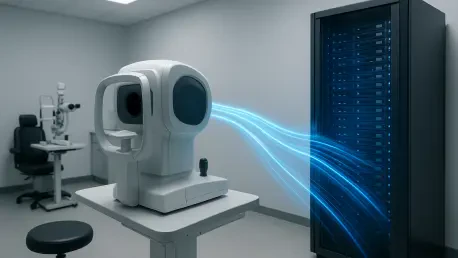
Managing the intersection of technological innovation and patient privacy requires optometry practices to maintain rigorous oversight of how third-party apps handle sensitive medical records. As 2026 progresses, the rapid integration of automated screening systems in primary eye care has

The ability of autonomous systems to manage post-sale relationships has resulted in a thirty-five percent increase in customer policy retention for agencies struggling with client churn. This metric highlights a significant shift in an industry that has long been defined by high-touch manual labor
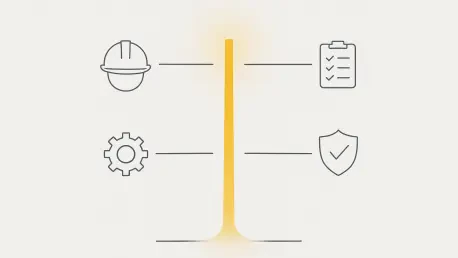
The industrial landscape has reached a pivotal juncture where the mere collection of safety incidents no longer suffices for complex organizations striving for zero-harm environments. Transforming raw claims data into operational intelligence requires a standardized framework to evaluate

Effective risk assessment now depends on factors such as the importance of the decision, the level of system autonomy, and the explainability of the resulting output for consumers. At the NAIC 2026 Summer National Meeting in Columbus, Ohio, the Big Data and Artificial Intelligence Working Group