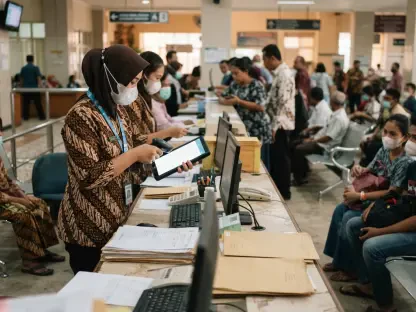

Nigeria’s healthcare landscape is currently undergoing a structural metamorphosis that prioritizes accessibility and financial protection for millions of citizens who previously navigated a fragmented system. This pivot represents a departure from reactive policies toward a proactive, legislatively backed framework designed to eliminate the crippling out-of-pocket expenses that have long characterized the regional medical experience. By integrating digital tracking, mandated participation, and a renewed focus on the most marginalized demographics, the current administration is addressing deep-seated systemic inefficiencies. The objective is not merely to increase the quantity of care but to enhance the qualitative experience of the average Nigerian seeking medical attention. As these reforms take root, the intersection of public policy and private sector efficiency is creating a more resilient healthcare architecture. This evolution is driven by a recognition that economic stability is inextricably linked to the well-being of the workforce.
Expansion of Financial Protection and Coverage
Legislative Framework: Universal Enrollment Strategies
The National Health Insurance Authority Act 2022 has emerged as the cornerstone of this healthcare transformation by mandating health insurance for all residents within the country. This legislative shift has catalyzed a remarkable 42% surge in enrollment, with the number of insured individuals rising from approximately 16 million in early 2024 to an impressive 23.02 million by the middle of 2026. Such a rapid expansion is a testament to the strategic focus on enforcing compliance while simultaneously simplifying the enrollment process for both formal and informal sector participants. The authority has worked to modernize the insurance ecosystem, ensuring that the transition from a voluntary to a mandatory model is supported by robust digital infrastructure and clear regulatory oversight. This influx of participants provides a more stable funding pool, which is essential for the long-term sustainability of the medical sector. By prioritizing this growth, the government aims to create a safety net for families.
Targeting Vulnerable Populations: Promoting Social Equity
Beyond general enrollment figures, a specialized focus on equity has ensured that the most marginalized segments of society are not left behind in this new era. Specifically, the Basic Health Care Provision Fund has been instrumental in enrolling 3.18 million underprivileged citizens, providing them with access to essential services that were once financially unreachable. This targeted approach extends to often-overlooked groups, including prison inmates and individuals living with chronic conditions such as HIV or tuberculosis. By removing financial barriers for these high-risk populations, the authority is effectively mitigating public health risks associated with untreated communicable diseases. Furthermore, the integration of these groups into the national system fosters an inclusive society where medical care is treated as a fundamental right rather than a privilege. This commitment to social justice is backed by data-driven resource allocation, ensuring that every naira spent maximizes the health impact.
Strengthening Clinical Services and Infrastructure
Revitalizing Primary Healthcare: Restoring Facility Standards
Physical infrastructure serves as the essential backbone of these insurance-driven reforms, and the National Primary Health Care Development Agency has spearheaded a massive renovation campaign. To date, over 3,526 primary healthcare facilities have been completely renovated, with nearly 1,000 additional centers currently undergoing intensive reconstruction to meet modern standards. These improvements are not merely aesthetic; they involve the installation of modern diagnostic equipment, reliable cold-chain storage for vaccines, and improved hygiene facilities. The impact of these upgrades is visible in the data, as facility visits have climbed from 33 million to approximately 45 million annually. This surge indicates a growing public confidence in the local clinics that serve as the first point of contact for the majority of Nigerians. By decentralizing quality care, the agency is reducing the burden on tertiary hospitals and ensuring that life-saving interventions are available within the community.
Advancements in Maternal Outcomes: Improving Clinical Success
A critical metric for any healthcare system is its ability to protect the most vulnerable during the most critical times, specifically regarding maternal and neonatal health. The current reforms have established free emergency maternal care in over 270 specialized facilities, a move that has already benefited approximately 80,000 women and thousands of newborns since its inception. This initiative is complemented by a rigorous workforce development program that has seen the retraining of 78,000 skilled birth attendants. These professionals are now better equipped to handle complications, utilize modern medical technology, and provide compassionate care in rural and urban settings alike. The integration of skilled labor with accessible emergency services has led to a measurable decline in maternal mortality rates in the pilot regions. By focusing on the beginning of life, the reforms are laying a foundation for a healthier future generation. This approach ensures that clinical successes are sustained through facility readiness.
Institutional Accountability: Establishing a Sustainable Future
The National Health Insurance Authority improved financial sustainability by doubling capitation payments and increasing fee-for-service reimbursements by 373% as of early 2025. These adjustments ensured that medical facilities remained financially viable while delivering high-quality services to a growing patient base. Furthermore, the implementation of a 48-hour complaint resolution mechanism, which achieved an 87% success rate, fostered a new culture of accountability within the medical community. Moving forward, the focus shifted toward expanding digital health records and telehealth services to bridge the remaining gaps in rural access. Sustained collaboration between governmental bodies and civil society remained the essential pillar to maintain this momentum and ensure that the infrastructure survived economic fluctuations. Future strategies prioritized the domestic manufacturing of essential pharmaceuticals to reduce dependence on imports and stabilize costs. This system eventually moved toward a standard of excellence.