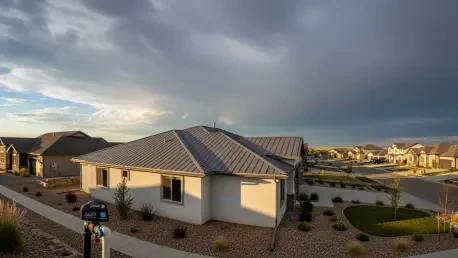

Homeowners across the United States are currently facing a period of unprecedented financial strain as property insurance premiums continue to surge at rates that significantly outpace the general inflation seen in other sectors of the national economy. This phenomenon is no longer isolated to coastal states typically associated with hurricanes or regions prone to seasonal wildfires; instead, the trend has permeated nearly every corner of the country. In 2026, internal data from major underwriting firms shows that inland states like Iowa and Minnesota have seen substantial rate hikes due to the increasing frequency of severe convective storms and large-scale hail events. These rising costs are creating a ripple effect through the housing market, as potential buyers find themselves priced out of neighborhoods where the monthly insurance escrow now rivals the principal and interest payments on their mortgages. Furthermore, the volatility of the insurance sector has prompted some major national carriers to cease writing new policies in high-risk zones, leading to a reduction in competition and a further escalation of prices for consumers who are left with fewer options.
Meteorological Shifts: The New Reality of Property Risk
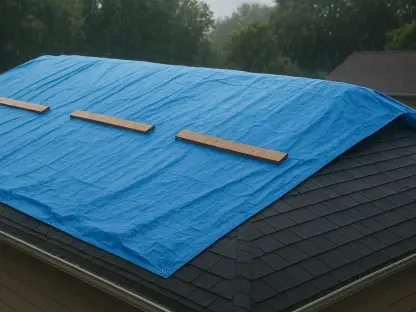
The intensification of severe weather patterns has fundamentally altered how actuaries calculate the probability of loss, moving away from historical data toward more predictive modeling techniques. While major hurricanes often dominate the national headlines, the insurance industry has been increasingly battered by what are known as secondary perils, such as localized flooding, severe thunderstorms, and sudden winter freezes. These events, which were once considered outlier risks, have become more frequent and more damaging, leading to an aggregate loss that often rivals that of a single major catastrophe. In 2026, the reliance on advanced satellite imagery and artificial intelligence for risk assessment has enabled insurers to pinpoint vulnerabilities at the individual property level with remarkable precision. This granular approach means that a home with older roofing materials or inadequate drainage systems is now penalized more heavily than in previous years. Consequently, the traditional model of broad risk pooling is being replaced by a system that demands higher premiums from those in areas with even a moderate statistical likelihood of experiencing climate-related incidents.
In addition to the changing climate, the escalating cost of construction materials and specialized labor has significantly inflated the replacement value component of modern insurance policies. Even if a home remains undamaged, the cost to rebuild it in the event of a total loss has climbed substantially due to the persistent supply chain disruptions and the shortage of skilled tradespeople currently observed in 2026. Insurers must factor in the current market rates for high-efficiency windows, fire-resistant siding, and sustainable roofing materials, all of which have seen price increases that far exceed the standard Consumer Price Index. Moreover, the global reinsurance market, which provides insurance for the insurance companies themselves, has entered a period of extreme hardening. As global losses from international disasters mount, these reinsurers have raised their rates and tightened their terms, passing those increased costs directly down to the primary carriers and, eventually, to the individual policyholders. This financial interconnectedness means that a major flood in Europe or a massive earthquake in Asia can indirectly contribute to the higher premiums paid by a homeowner in the American Midwest.
Strategic Resilience: Navigating the Financial Burden
Homeowners who successfully mitigated the impact of these rising premiums focused heavily on structural hardening and proactive property maintenance to improve their risk profiles. One of the most effective steps involved the installation of impact-resistant roofing and secondary water barriers, which allowed property owners to qualify for significant mitigation credits from their carriers. Additionally, the integration of smart home technology, such as automated water shut-off valves and advanced fire detection systems, provided insurers with verifiable evidence of risk reduction, leading to lower annual rates. Those who took the time to conduct thorough annual reviews of their policy limits discovered that adjusting their deductibles to a higher, more manageable level could offset the immediate shock of premium increases. By investing in resilient building materials during minor renovations, these individuals not only protected their physical assets but also positioned themselves as lower-risk clients in a highly selective market. These proactive measures were essential for maintaining affordable coverage in an environment where insurers rewarded tangible efforts to prevent damage before it occurred.
Beyond individual property improvements, the path toward stabilizing the insurance market involved significant legislative advocacy and community-wide planning initiatives. Policymakers who addressed the underlying causes of litigation spikes and assignment of benefits abuse helped to create a more predictable legal environment for insurers to operate within. On a local level, municipalities that updated their building codes to meet modern wind and flood standards provided a safer foundation for all residents, which eventually encouraged carriers to return to previously abandoned markets. Homeowners also benefited from participating in community-based risk reduction programs, such as fire-smart landscaping or improved neighborhood drainage projects, which reduced the overall vulnerability of the area. These collective actions demonstrated that while the external factors driving insurance costs were formidable, they were not insurmountable through coordinated efforts between the public and private sectors. Ultimately, the transition toward a more resilient housing infrastructure required a long-term commitment to transparency, technological adoption, and a fundamental shift in how society values and protects the built environment against modern threats.