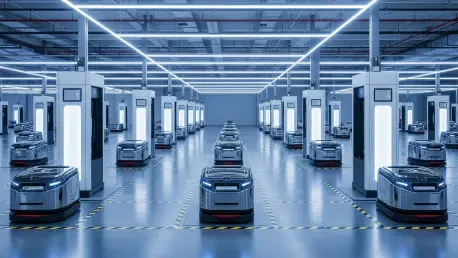

The rapid proliferation of autonomous systems across metropolitan landscapes has created a pressing demand for a new kind of institutional safeguard that matches the pace of digital innovation. As commercial robotics move from controlled environments like laboratories into the unpredictable reality of public streets and high-traffic shopping centers, the stakes for operational safety have never been higher. A landmark collaboration between Axonex Intelligence, a key subsidiary of Mint Incorporation, and the insurtech trailblazer YAS illustrates this evolution by embedding protection directly into the robotic service model. This strategic alignment is specifically designed to dismantle the financial barriers that have traditionally hampered the adoption of artificial intelligence in major hubs like Hong Kong. By fusing hardware with automated security, this initiative establishes a precedent where innovation risks are managed at the point of deployment, rather than being treated as a secondary burden.
Integrated Protection: The Fusion of Hardware and Security
The traditional model of securing industrial assets often required businesses to navigate a labyrinth of negotiations with multiple providers after purchasing their equipment. This fragmented approach frequently resulted in delays and administrative friction that discouraged smaller enterprises from investing in cutting-edge automation. By contrast, the embedded insurance framework integrates coverage directly into the hardware procurement phase, transforming a complex financial transaction into a seamless “one-stop service” experience. When a logistics firm or retail operator acquires a fleet from Axonex, the machines arrive pre-configured with active protection policies. This synchronization ensures that there is no gap in coverage between the moment a robot is unboxed and the moment it performs its first task. By making insurance an invisible but omnipresent feature of the hardware, the partnership effectively democratizes access to robotics for businesses that lack dedicated risk management departments.
The structural integrity of this new model rests upon three distinct pillars: high-performance robotics hardware, granular data analytics, and digital platform integration. By leveraging the immense processing power of modern AI units, insurers can now access a level of operational transparency that was previously impossible to achieve with static machinery. Real-time data streams provide a constant feedback loop, allowing the insurance provider to monitor how a robot interacts with its environment in high-density urban settings. This technological synergy allows for the development of predictive insurance products that adapt to the specific performance profile of each individual unit. Rather than relying on generic actuarial tables, the coverage is informed by the actual mechanical health and navigational accuracy of the hardware. This shift toward a more responsive financial model ensures that protection is not just a regulatory requirement but a dynamic tool that enhances the overall reliability of the robotic ecosystem.
Market Confidence: Overcoming Adoption Barriers
For many years, the primary obstacle to the widespread deployment of autonomous service robots was the lack of specialized insurance products tailored to the unique risks of AI. Traditional liability policies often struggled to account for the nuances of machine learning decisions or the specific costs of repairing high-tech sensors and actuators. This mismatch created a significant “confidence gap” that made business owners hesitant to integrate robotics into their core operations. The partnership between Axonex and YAS directly addresses these anxieties by offering a comprehensive suite of protections that cover everything from minor mechanical repairs to third-party liability claims. By providing a clear and accessible financial safety net, the collaboration removes the ambiguity that once surrounded robotic mishaps. This newfound clarity allows stakeholders to view automation as a manageable investment rather than a potential liability nightmare that could jeopardize their financial stability.
The impact of this streamlined risk management is particularly evident in sectors such as food and beverage, retail, and construction, where robots must operate in close proximity to humans. In these environments, even a minor collision or software glitch can lead to significant operational downtime and legal complications if not properly insured. By automating the claims process and providing immediate coverage for deductibles, the embedded model ensures that businesses can maintain their momentum even when incidents occur. This proactive approach to liability management is essential for the sustainability of smart city infrastructure, where the continuous operation of service robots is vital for efficiency. Enterprises can now focus on optimizing their workflows and improving customer service, knowing that the financial consequences of an accident are already accounted for within their service agreement. This shift in focus is a critical component in accelerating the transition toward a fully automated commercial landscape.
Dynamic Risk: Harnessing Real-Time Operational Data
A fundamental shift is occurring in how risk is calculated for autonomous systems, moving away from annual fixed premiums toward dynamic, usage-based insurance models. Because modern commercial robots are equipped with an array of sophisticated sensors and internal diagnostic tools, they generate a continuous stream of data regarding their activity and performance. This wealth of information allows underwriters to evaluate risk with unprecedented precision, basing premiums on the actual hours of operation, the complexity of the environment, and the safety history of the machine. For instance, a robot operating in a quiet warehouse might attract a different risk profile than one navigating a crowded shopping mall during peak hours. This transparency benefits the end-user by ensuring that costs are directly proportional to the actual risk exposure. Furthermore, it incentivizes businesses to maintain their equipment properly and deploy their robots in the safest possible manner, as better operational data can lead to lower insurance costs.
This data-enabled framework does more than just lower costs; it creates a holistic lifecycle management system for every robot in the field. As autonomous systems continue to evolve and learn from their interactions, the insurance policies protecting them can be updated in real-time to reflect the latest safety protocols and software improvements. This creates a symbiotic relationship between the hardware manufacturer and the insurance provider, where both parties are invested in the long-term performance and safety of the fleet. The ability to monitor a robot’s health remotely and adjust coverage levels accordingly represents a major leap forward in commercial risk management. It ensures that the insurance product remains relevant as the technology matures, preventing the obsolescence that often plagues traditional financial instruments in the tech sector. By aligning the interests of insurers, manufacturers, and operators, this model establishes a robust foundation for the large-scale integration of robotics into the global economy.
Regional Growth: Strategic Expansion and Smart Cities
The initial success of the partnership in Hong Kong and the Greater Bay Area has provided a scalable blueprint that is now being prepared for international implementation. There is a clear strategic roadmap to introduce this integrated model to major markets across Southeast Asia, including tech-forward nations such as Singapore, Thailand, and Vietnam. The goal of this expansion is to establish a unified regional standard for how automation is deployed and insured, creating a consistent environment for multinational corporations operating in the region. By providing a standardized protection framework, the initiative simplifies the cross-border movement of robotic technology and encourages regional cooperation in smart city development. As these markets continue to urbanize and face labor shortages, the demand for reliable and well-insured autonomous solutions is expected to grow exponentially. This regional strategy ensures that businesses in every participating country have access to the same level of technological and financial security.
Beyond the realm of mobile service robots, the principles of embedded insurance are being adapted for other emerging technologies, such as electric vehicle ecosystems and commercial drones. The partners have expressed a strong commitment to applying their data-driven insights to the broader landscape of green finance and smart infrastructure inspection. For example, by integrating protection into the charging infrastructure and battery management systems of electric vehicle fleets, they can provide a comprehensive safety net for the transition to sustainable transport. Similarly, using drones for autonomous building inspections requires a sophisticated insurance model that accounts for the unique risks of aerial operations in urban areas. By diversifying the application of this integrated model, the initiative seeks to become a central architect of the smart cities. This evolution suggests that the future of technology will be defined not just by mechanical breakthroughs, but by the sophisticated financial frameworks that make these innovations sustainable.
Ecosystem Resilience: Strategic Outcomes for the Industry
The successful integration of insurance into the commercial robotics model proved to be a decisive factor in the rapid scaling of autonomous systems across diverse industries. By removing the administrative and financial friction that previously hindered adoption, businesses were able to deploy AI-driven solutions with a renewed sense of confidence and security. Leaders in the sector recognized that hardware alone was insufficient to transform the market; instead, a comprehensive ecosystem that included robust financial safeguards was necessary for long-term viability. This transition encouraged organizations to move beyond pilot programs and embrace full-scale automation as a core component of their operational strategy. As companies looked toward the future, they prioritized the implementation of data-driven insurance models that offered both flexibility and precision. The collaboration between technology providers and insurtech firms effectively bridged the gap between innovation and stability, ensuring that the benefits of robotics reached every level of the economy.
Furthermore, the adoption of these integrated financial models fostered a culture of transparency and accountability within the robotics industry. Manufacturers realized that their ability to secure favorable insurance terms was directly linked to the safety and reliability of their hardware designs. This led to a significant increase in the quality of autonomous systems, as engineers prioritized fail-safe mechanisms and robust sensor suites to minimize risk. Operators also benefited from the shift, as the real-time data provided by the insurance platforms allowed them to refine their deployment strategies and improve overall efficiency. The collective experience of the past years demonstrated that the most successful technological transitions occurred when financial security and mechanical innovation were developed in tandem. Stakeholders across the spectrum understood that the path to a fully automated world required more than just clever algorithms; it demanded a foundation of trust built on comprehensive, data-backed protection that evolved alongside the machines.