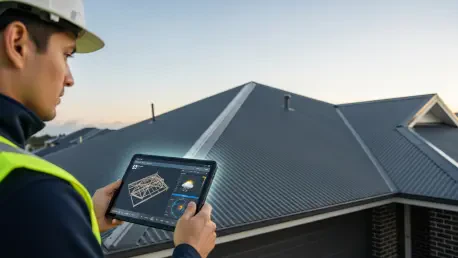

Homeowners across the United States are currently grappling with an unprecedented surge in extreme weather events that have redefined the boundaries of residential risk management. As the 2026 storm season continues to batter coastal and inland regions alike, the resulting property damage has reached staggering financial heights, yet the path to recovery remains obstructed by a growing wave of insurance claim denials. Professional engineer Enrique Lairet has identified a critical systemic failure where policyholders, despite paying significant premiums, are frequently left defenseless against complex corporate maneuvers designed to minimize payouts. To counter this, a new suite of digital tools has been introduced to empower individuals with the forensic-grade evidence required to challenge insurer pushback effectively. By shifting the burden of proof from speculative estimates to data-driven reality, these innovations are bridging the gap between legitimate loss and successful financial restoration for families who might otherwise face severe hardship.
Decoding Insurance Industry Tactics
Date of Loss: Identifying the Strategic Defense Tactic
Insurance companies increasingly leverage the “date of loss” defense as a primary mechanism to delay or entirely reject claims following major atmospheric disturbances. This tactic involves questioning whether the reported damage actually occurred during the specific weather event cited by the policyholder or if it is merely the cumulative result of long-term wear and tear. Without a definitive, verifiable record of the property’s condition immediately preceding the storm, homeowners often find themselves trapped in a circular argument with adjusters who claim that the shingles were already brittle or that the siding was previously compromised. This strategic ambiguity creates a massive hurdle for the average person, who typically lacks the technical vocabulary or the historical documentation to refute the findings of a professional adjuster. The resulting friction often leads to settlements that cover only a fraction of the actual repair costs, forcing families to dip into personal savings to cover the gap left by their provider.
Information Asymmetry: Analyzing the Imbalance in Property Claims
This systemic disadvantage is further exacerbated by the increasing complexity of modern building materials and the specific ways they interact with high-velocity winds or hail. Many adjusters utilize specialized software that may not account for the subtle nuances of localized damage, leading to standardized “low-ball” offers that fail to reflect the true cost of labor and materials in a post-storm economy. When homeowners are unable to provide a structured rebuttal backed by engineering principles, they are often pressured into accepting these inadequate settlements. The introduction of tools that translate complex damage into quantifiable data points is therefore essential for maintaining the integrity of the insurance contract itself. By establishing a clear evidentiary chain, policyholders can move from a position of passive hope to one of active advocacy, ensuring that the terms of their coverage are actually met when the inevitable atmospheric volatility strikes their specific region or neighborhood.
A Scientifically Backed Evidence Framework
Scientific Verification: Integrating Meteorological Data and Proof
To address these evidentiary deficiencies, the newly developed framework integrates meteorological substantiation directly from the National Oceanic and Atmospheric Administration (NOAA) to confirm localized weather. By utilizing this objective data, the system provides an indisputable record of the exact weather conditions that impacted a specific street address, including peak wind speeds and hail size. When a homeowner can present a weather verification report that confirms a severe storm occurred exactly when they claimed, it becomes much harder for an insurance company to argue that the damage resulted from wear and tear. This scientific anchoring provides a solid foundation for any claim, removing the element of guesswork and replacing it with verifiable facts that align with recognized national standards. This approach essentially mirrors the methodology used by professional forensic engineers during high-stakes litigation, making high-level technical insights accessible to the general public.
Visual Documentation: Implementing Precision Inspection Standards
Visual proof remains the cornerstone of any successful property insurance claim, yet most photos taken by homeowners lack the necessary context to satisfy a skeptical adjuster. The pre-storm baseline tool addresses this by guiding users through a comprehensive, timestamped inspection of their home’s exterior and interior before any damage occurs. This process creates a digital record of the property’s condition, providing clear evidence of well-maintained surfaces and the absence of pre-existing cracks. By maintaining this proactive record, homeowners can offer an undeniable “before and after” comparison that effectively neutralizes the argument that the damage was long-standing or neglected. This standardized documentation kit ensures that every critical angle is captured, from the flashing on the chimney to the seams of the siding, leaving no room for the insurer to claim that the property was in a state of disrepair prior to the actual atmospheric event that caused the loss.
Technological Innovation and Strategic Proactivity
Data Integrity: Prioritizing User Privacy and Security
In an era where data privacy is a paramount concern, these digital tools prioritize localized storage over vulnerable cloud-based systems to ensure user security. Many platforms require users to upload sensitive photos to external servers, which can be subject to data breaches or unauthorized access by third parties. In contrast, this engineering-led initiative ensures that all photographic evidence remains exclusively on the user’s device until they choose to share it with their insurer or legal counsel. This “privacy-first” model provides homeowners with complete sovereignty over their data, preventing it from being used for unwanted marketing or risk-profiling. By keeping the evidence locally stored, the platform offers a secure digital vault for the most important documentation a family might need during a crisis. This shift also represents a democratization of professional expertise, providing high-level documentation aids at a fraction of the cost of hiring a private expert.
Strategic Proactivity: Navigating Protection Through Real-Time Alerts
Ultimately, the implementation of these digital forensic tools shifted the power dynamics of the 2026 insurance market by prioritizing objective data over subjective corporate interpretation. Homeowners who adopted these proactive documentation strategies found themselves better prepared to navigate the complexities of the claims process with confidence and clarity. The system further enhanced protection through ZIP-code-specific weather tracking that alerted residents to document their property immediately following a storm. Individuals took the necessary steps to establish a comprehensive digital baseline before the storm season reached its peak, ensuring their records were undeniable. They utilized localized weather verification reports to bypass the common “date of loss” defenses and maintained control over their private data through secure solutions. By treating property documentation as a critical component of home maintenance, residents effectively mitigated the risk of financial loss and ensured insurance remained a safety net.