
The traditional insurance industry is currently witnessing a tectonic shift as legacy frameworks struggle to keep pace with the hyper-accelerated digital risks of the mid-twenties, prompting a demand for leadership that prioritizes technological agility over historical inertia. Adam Winslow’s tenure at CFC represents a pivotal moment for the specialty insurer, as the organization seeks to solidify its position as a digital-first pioneer in a market increasingly defined by algorithmic precision and real-time data processing. By moving beyond conventional risk transfer models, the current strategy focuses on embedding artificial intelligence into the very core of the insurance lifecycle, from the initial quote to the eventual settlement of complex claims. This transition requires more than just capital investment; it demands a fundamental cultural overhaul that values data as the primary asset. As the company expands its global footprint, the challenge lies in maintaining the localized expertise that defined its early success while leveraging global datasets to predict and mitigate emerging threats.
Reshaping Underwriting Through Advanced Analytics
Implementing Real-Time Risk Processing
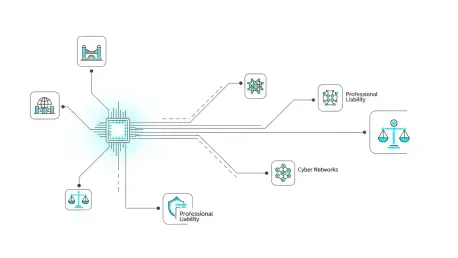
Modern underwriting requires a departure from static actuarial tables toward dynamic models that ingest thousands of data points every second through the Connect platform to provide a comprehensive view of an insured entity’s risk profile. Under the new strategic direction, CFC is prioritizing the development of proprietary neural networks that can analyze non-traditional data sources, such as live satellite imagery and social sentiment, to assess vulnerability more accurately than ever before. This shift allows for a more granular understanding of specific perils, particularly in the cyber and professional liability sectors where threats evolve daily. By automating the routine aspects of data collection and preliminary analysis, underwriters are empowered to focus their specialized expertise on high-value, complex cases that require nuanced judgment. The goal is to create a seamless feedback loop where every processed claim informs the underwriting of the next policy, effectively creating a self-learning ecosystem that reduces the loss ratio while simultaneously improving the speed of service for global brokers and their clients.
Scaling Proprietary Technology Platforms
The strategic overhaul led by Adam Winslow positioned the firm as a definitive leader in the application of artificial intelligence within the specialty insurance market by prioritizing technological cohesion. By successfully integrating deep learning models into the underwriting process, the organization achieved a level of operational efficiency and risk accuracy that set a new benchmark for the entire industry. Moving forward, the focus shifted toward the continuous refinement of these digital assets to ensure they remained resilient against the next generation of cyber threats and economic shifts. Stakeholders recognized that the commitment to ethical transparency and data-driven decision-making was the primary driver of sustainable growth. The firm invested heavily in specialized talent to bridge the gap between traditional insurance expertise and modern data science, creating a hybrid workforce capable of navigating future complexities. This transition proved that an aggressive investment in proprietary technology, when combined with a clear vision for ethical governance, can transform even the most traditional business models into agile and highly profitable digital enterprises for the foreseeable future.