
The rapid transformation of healthcare delivery in high-stakes environments has become a critical necessity for the Nigerian Armed Forces as they navigate complex security landscapes across diverse terrains. Ensuring that a soldier wounded in a remote area receives the same quality of care as one in a metropolitan military hospital requires a fundamental shift from traditional paper-based systems to a fully integrated digital framework. Current inefficiencies in medical logistics and the delay in casualty evacuation often lead to preventable complications, highlighting an urgent need for technological intervention. By prioritizing the deployment of advanced medical technologies, the military can significantly reduce mortality rates and improve the long-term recovery prospects for its personnel. This evolution involves a comprehensive overhaul of how medical data is captured, shared, and utilized during active operations and subsequent rehabilitation phases.
Implementation of Telemedicine: Bridging the Frontline Gap
Deploying secure satellite-linked telecommunication systems allows field medics in the Lake Chad Basin to connect instantly with specialist surgeons located hundreds of miles away in Abuja. These real-time video consultations provide crucial guidance during the golden hour of trauma care, where immediate surgical decisions can mean the difference between life and death. Modern portable diagnostic kits, equipped with mobile ultrasound and blood chemistry analyzers, transmit data directly to centralized command centers for expert interpretation. This approach mitigates the shortage of specialized medical officers in active combat zones by virtually extending the reach of the military’s most experienced doctors. Furthermore, the integration of ruggedized wearable sensors allows for the continuous monitoring of vital signs in transit, ensuring that receiving facilities are fully prepared for the specific needs of a casualty before the evacuation helicopter even touches the ground.
Beyond immediate trauma response, technology facilitates a continuous learning environment where field personnel can access augmented reality simulations to practice complex procedures in high-pressure scenarios. These interactive platforms use data from actual historical encounters to create realistic training modules, ensuring that every medic remains sharp and updated on the latest life-saving techniques. Artificial intelligence also plays a pivotal role by analyzing vast amounts of physiological data to predict potential health crises before they manifest physically, such as identifying early signs of sepsis. This proactive stance moves the military medical service from a purely reactive model to a more predictive strategy. By leveraging localized cloud computing, these systems remain functional even when broader internet connectivity is compromised, providing a robust and reliable backbone for medical operations in the most austere and unforgiving environments across the country.
Digital Infrastructure: Streamlining Electronic Health Records
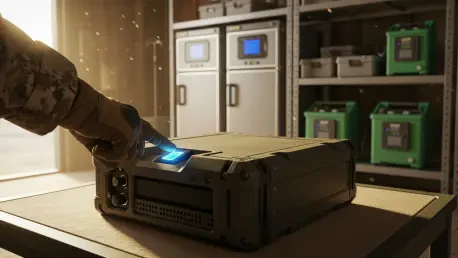
Transitioning to a unified Electronic Health Record system is the cornerstone of modernizing the medical services provided to Nigerian defense personnel and their families. Currently, the reliance on physical folders often results in fragmented medical histories, making it difficult for clinicians to track long-term conditions or previous reactions to medications during transfers between different military installations. A centralized digital database ensures that a soldier’s entire medical history is accessible with a secure biometric scan, regardless of where they are stationed. This continuity of care is particularly vital for managing chronic illnesses and psychological health, which require consistent monitoring over several years. Moreover, the implementation of robust cybersecurity protocols, including end-to-end encryption, protects sensitive personal information from unauthorized access, maintaining the integrity and confidentiality of the entire military health network.
Strategic success depended on fostering partnerships between the Ministry of Defence and domestic tech innovators to create localized healthcare solutions. Leadership prioritized the acquisition of portable oxygen concentrators and ruggedized refrigeration units for vaccine storage, which were distributed across all six geopolitical zones. Training programs were integrated into the standard military curriculum to ensure that every officer was proficient in digital triage systems and remote patient monitoring. By investing in resilient power sources like solar-powered medical hubs, the military addressed the challenge of inconsistent electricity in remote outposts. These steps transformed the medical corps into a data-driven unit capable of responding to both conventional warfare injuries and public health emergencies. The move toward a digital ecosystem reinforced the commitment to the welfare of the troops, ensuring that those who served were supported by the most advanced medical care available.