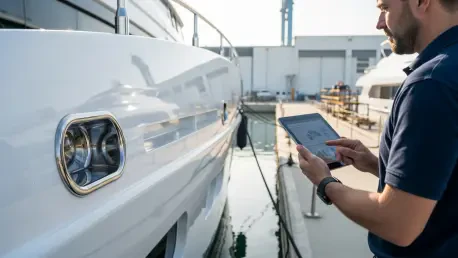

The traditional image of boat ownership often evokes a sense of freedom and leisure, yet the reality of securing those assets has evolved into a complex financial chess match where every move requires strategic foresight and meticulous preparation. In this modern landscape, insurers are no longer merely processing paperwork; they are fundamentally recalculating the price of uncertainty in an increasingly volatile global environment. Vessel owners who once viewed insurance as a minor administrative checkbox now find themselves navigating a dense thicket of evolving terms and rising premiums that reflect a harsher economic reality. This transition marks a departure from static coverage models toward dynamic agreements that demand constant verification and proactive management. As the current season unfolds, the industry is witnessing a total recalibration of risk, driven by the realization that maritime assets are more vulnerable and more expensive to repair than ever before. Owners must now balance the desire for adventure with the pragmatic necessity of protecting their financial interests against a backdrop of shifting market forces.
Economic Pressures: Rising Expenses and Material Scarcity
Labor costs for specialized marine technicians have surged as the demand for skilled fiberglass work and advanced electronics installation continues to outpace the available workforce. Inflation has compounded these issues, making the raw materials required for structural repairs significantly more expensive than just a few years ago. Consequently, carriers have been forced to adjust their loss ratios by implementing higher deductibles and becoming increasingly selective about the specific vessels they are willing to underwrite. This selective nature means that older boats or those with deferred maintenance are finding it nearly impossible to secure comprehensive coverage without undergoing expensive upgrades first. The financial pressure on insurers has also led to a reduction in the number of players in certain regions, further limiting options for boaters and driving prices even higher. In this environment, a minor collision that once resulted in a simple claim now triggers a massive financial event that can threaten the long-term viability of an insurance policy.
Supply chain instability continues to plague the marine industry, causing delays in parts procurement that extend repair timelines from weeks to months. These prolonged periods of inactivity not only frustrate owners but also increase the liability for insurers, who may be responsible for ongoing storage fees and auxiliary costs during the restoration process. To mitigate these risks, insurance companies are increasingly favoring vessels that are maintained in a state of high readiness, rewarding owners who use reputable yards and keep critical spares on hand. The correlation between a boat’s physical condition and its insurability has never been more direct, as adjusters now look for any sign of neglect as a reason to adjust premiums upward. Furthermore, the cost of specialized coatings and high-end marine grade aluminum has reached record levels, making even aesthetic repairs a significant part of the overall claim value. This economic reality has fundamentally changed the way boaters perceive the value of their insurance, shifting the focus from broad protection to out-of-pocket costs.
Underwriting Standards: Rigorous Scrutiny and Operator Verification
Modern underwriting has moved far beyond basic hull descriptions to include a comprehensive analysis of the vessel’s operational history and the specific qualifications of its captain. Insurance carriers are now requiring exhaustive documentation that includes recent marine surveys, detailed logs of mechanical maintenance, and proof of professional upgrades to critical onboard systems. This shift ensures that the insurer possesses a granular understanding of the potential risks, yet it simultaneously places a heavy administrative burden on the policyholder to maintain flawless records. Beyond the physical condition of the boat, the operator’s level of experience has become a primary factor in determining both eligibility and premium rates. Boaters must frequently provide resumes highlighting their time at sea, specific training certifications, and a clean history of navigation in the intended cruising grounds. This intensive verification process often takes weeks rather than days, making early renewal cycles a necessity rather than a suggestion for those looking to avoid a gap in coverage.
Geographic limitations and navigation warranties are being enforced with unprecedented strictness as insurers attempt to limit their exposure to storm-prone regions and hazardous waters. Owners who fail to strictly adhere to the seasonal layup requirements specified in their policies often find themselves without coverage at the exact moment they need it most. The use of digital tracking and telematics has allowed insurers to verify the location of vessels with high precision, making it nearly impossible to deviate from agreed-upon boundaries without consequences. Furthermore, the underwriting process now frequently includes a review of the owner’s financial stability and claims history across all forms of insurance, not just marine policies. This holistic approach to risk assessment means that a lapse in home or auto insurance could potentially impact the cost or availability of a yacht policy. Consequently, maintaining a clean overall risk profile has become a core component of successful vessel management in an era where data transparency is paramount.
Valuation Models: Critical Distinctions and Technological Risks
A fundamental misunderstanding often arises during the claim process regarding the difference between Agreed Value and Actual Cash Value policies, which can have devastating financial consequences for the unprepared owner. Agreed Value policies provide a set payout amount that is established at the start of the policy term, offering a level of certainty that is highly valued in a fluctuating market. In contrast, Actual Cash Value policies calculate settlements based on the depreciated market price of the vessel at the precise moment of the loss, often leaving owners with a significant shortfall when attempting to replace their boat. As the market for both new and used vessels remains unpredictable, the gap between these two valuation models has widened, making it imperative for owners to review their policy language with extreme care. Furthermore, insurers are increasingly cautious about total loss scenarios involving older hulls where the cost of salvage and environmental remediation might exceed the ship’s actual value.
The rapid adoption of high-capacity lithium-ion battery systems and fully integrated navigation networks has introduced a new layer of complexity to marine risk assessment and safety protocols. While these technological advancements offer superior energy density and improved operational awareness, they also represent a significant fire hazard if not installed and managed by certified professionals. Insurance providers have responded to these risks by asking pointed questions about the provenance of electrical modifications and requiring third-party inspections for any non-factory power solutions. An uncertified installation can easily become a justification for a denied claim, especially if an onboard fire is traced back to a faulty battery management system or improper wiring. Moreover, the integration of these systems means that a single component failure can have a cascading effect on the vessel’s entire electronic infrastructure, leading to repair bills that frequently reach into the six-figure range for modern yacht owners.
Risk Mitigation: Strategic Records and Market Resilience
Vessel owners must become meticulous record-keepers, maintaining detailed logs of surveys, maintenance, and professional upgrades to remain attractive to underwriters in a tightening market. By starting the renewal process at least sixty days in advance, boaters can identify potential gaps in their coverage and address mechanical concerns before they become grounds for a policy denial. Working with specialized brokers who possess a deep understanding of regional market conditions has become essential, as these intermediaries can leverage their relationships to find coverage where traditional direct-to-consumer options may have failed. Furthermore, being transparent about navigation plans and ensuring all crew members meet minimum experience requirements reduces the likelihood of a high premium surcharge. Investing in professional surveys every three years, even when not strictly required by the insurer, demonstrates a commitment to vessel safety that can lead to better terms and lower costs.
Industry leaders determined that the shift toward a more transparent and data-driven relationship between the insurer and the insured successfully stabilized the market. Boat owners who embraced comprehensive maintenance schedules and professional system audits found that they were able to secure their maritime investments despite the overarching economic pressures. The widespread adoption of specialized brokerage services allowed for a more nuanced approach to risk, moving away from the rigid, one-size-fits-all policies of the past. These strategies provided a clear roadmap for navigating the complexities of modern marine insurance, ensuring that vessels remained protected against both accidental loss and sudden technical failures. Ultimately, the integration of detailed record-keeping and proactive mechanical oversight transformed the way the boating community approached risk management. This evolution allowed the industry to weather the storm of rising costs, creating a more resilient framework that prioritized safety and verification.