
Disciplined underwriting and robust reinsurance partnerships are becoming increasingly necessary as natural disasters exceed the capacity of individual entities. This reality is forcing the global insurance market to reevaluate its foundational principles, shifting from a reactive safety net to a proactive partner in risk management. Emilios Pyrishis, Chairman of Atlantic Insurance, views this transition as a defining moment for the industry, where the traditional model of post-loss compensation is no longer sufficient to maintain long-term stability. The convergence of climate volatility and technological advancement has created a landscape where predicting a loss is just as vital as paying for one. Consequently, insurers are being called upon to serve as strategic advisors, utilizing deep pools of data to help policyholders mitigate risks before they materialize. This change requires a fundamental rethinking of how insurance companies operate, interact with clients, and manage their own financial resilience in an increasingly unpredictable world.
Redefining Corporate Governance and Leadership
Modern Governance Beyond Checkbox Standards
Emilios Pyrishis argues that corporate governance must transcend the common perception of a bureaucratic “checkbox” exercise. In the current landscape, especially within highly regulated sectors like insurance, governance has evolved into a substantive, lived reality that dictates every facet of daily decision-making. It is not merely about meeting the minimum legal requirements or satisfying regulatory bodies; it is about fostering a culture of accountability and transparency that permeates the entire organization. Effective governance serves as the bedrock upon which trust is built, providing a clear framework that balances the pursuit of commercial growth with the necessity of ethical discipline. When governance is integrated into the core strategy, it empowers boards to make informed decisions that safeguard the interests of all stakeholders. This proactive approach ensures that potential risks are identified and addressed long before they can escalate into systemic failures or damage the firm’s reputation.
Defining Roles Between Boards and Management
A critical component of organizational health lies in the clear and deliberate distinction between the Board of Directors and the executive management team. Pyrishis highlights that while management is responsible for the granular execution of business strategies and day-to-day operations, the board must provide the high-level direction and rigorous oversight necessary to keep the company on course. This separation of powers is vital for maintaining an objective perspective on performance and risk appetite. When the lines between these roles become blurred, the organization risks losing the checks and balances that prevent overreach and ensure long-term stability. A well-functioning board acts as a sounding board for the Chief Executive Officer, offering insights detached from the pressures of daily operational tasks. This structural clarity allows management to focus on agility and growth while the board ensures that these pursuits align with the firm’s foundational values and its fiduciary duties to shareholders and clients.
Navigating Environmental and Systemic Challenges
Addressing Climate Change Through Strategic Underwriting
The increasing frequency and severity of natural catastrophes present one of the most significant systemic threats to the global insurance industry. As weather patterns become more volatile, the potential for massive, correlated losses grows, often exceeding the financial capacity of single entities to absorb. Pyrishis advocates for a multifaceted strategy that prioritizes disciplined underwriting as the first line of defense. This approach involves a more granular analysis of geographic and environmental data to accurately price risk and avoid the concentration of exposure in vulnerable areas. Without such discipline, insurers risk significant capital depletion, which could lead to a broader crisis of underinsurance within society. To mitigate these risks, firms must leverage sophisticated modeling tools that can project the impact of climate change over various time horizons. By integrating these insights into the core underwriting process, companies can ensure they remain solvent while continuing to provide essential coverage.
Crisis Management as a Test of Integrity
The true character and value of an insurance provider are best measured not during periods of stability, but in the crucible of a major crisis. Reflecting on landmark moments like the 2011 Mari explosion, it becomes clear that managing significant settlements tests the operational and ethical foundations of any firm. Facing such immense contractual obligations requires a balance between serving the policyholder and maintaining financial continuity. Such events serve as a litmus test for reliability and a commitment to promises made. In these high-pressure scenarios, technical proficiency must be matched by a steadfast dedication to integrity. Fulfilling a promise during a “difficult moment” is the most effective way to build the trust that serves as the industry’s most valuable currency. When an insurer steps up to meet its obligations without hesitation, it solidifies its reputation and reinforces the social contract that underpins the entire sector, proving that it is a dependable partner that clients can rely on when it matters.
Integrating Advanced Technology and Actionable Insights
Balancing Artificial Intelligence With Human Relationships
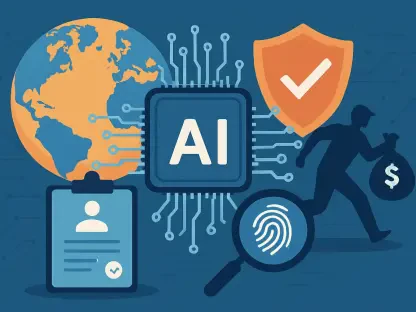
As the insurance industry continues its rapid digital transformation, the central challenge for leadership is finding the optimal balance between automation and the “personal touch.” While artificial intelligence and machine learning offer unprecedented opportunities to streamline claims processing and enhance the accuracy of risk assessments, technology must never fully replace human interaction. The insurance business is fundamentally built on relationships and empathy, qualities that algorithms cannot replicate. In moments of loss or distress, policyholders often seek more than just an automated response; they need a partner who understands the nuance of their situation and can offer personalized guidance. Therefore, the strategic goal is to use digital tools as a supportive framework that enhances the human experience rather than displacing it. By automating routine administrative tasks, insurance professionals can dedicate more time to high-value interactions that require judgment, emotional intelligence, and complex problem-solving.
Strategic Pathways for Long-Term Industry Resilience
To secure a resilient future, insurance organizations must prioritize the integration of climate-risk modeling into their core capital allocation strategies. Leaders recognize that maintaining a legacy of trust requires an unwavering commitment to data transparency and ethical AI deployment. By fostering a culture of continuous learning, firms ensure their workforces remain capable of interpreting complex analytics while providing the high-touch service that clients demand. Strategic partnerships with governmental bodies help close the protection gap in high-risk zones, creating a more stable economic environment for everyone. These actions demonstrate that the industry’s role has expanded from a mere financial intermediary to a critical guardian of societal continuity. The insurers that thrive are those that view technological change not as a threat to tradition, but as a powerful tool to reinforce the human values of reliability and care. Moving forward, the industry must continue to balance these innovation-driven efficiencies with the foundational principles of fiduciary duty.