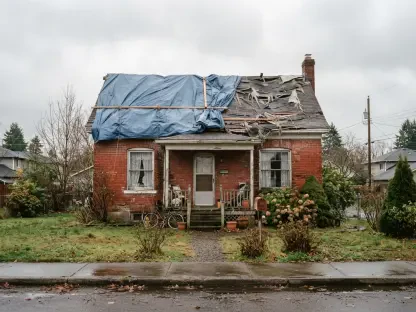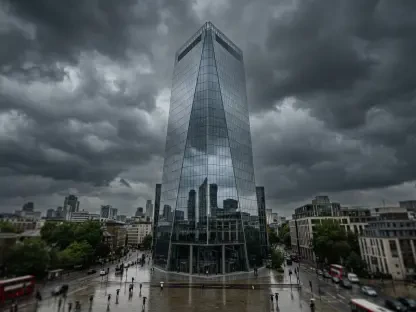

The recent discovery of more than 1,650 hazardous material deposits within one of the world’s most heavily monitored government buildings has completely dismantled the popular assumption that asbestos was successfully banished to the history books decades ago. This startling revelation regarding the Palace of Westminster, where the number of identified asbestos-containing materials has surged by 500 items since 2021, serves as a sobering reminder for the global property market. Even with billions of dollars in oversight and a continuous cycle of inspections, the parliamentary estate continues to reveal hidden risks that were previously undocumented or overlooked. For the modern property owner, this situation raises a critical question: if a landmark of such national importance cannot maintain an accurate safety record, how vulnerable are standard commercial and residential portfolios?
The data, obtained through extensive investigative requests, illustrates a reality that many facility managers have been reluctant to face. While approximately 700 asbestos items were successfully removed from the estate during a recent five-year period, the discovery of new hazards outpaced the rate of remediation. These materials include a wide array of industrial products, from insulation and roofing to floor tiles and specialized ropes. Although many of these findings are categorized as low-risk during normal occupancy, several hundred items were labeled as medium-risk, necessitating immediate and costly intervention to prevent fiber release. This trend shatters the illusion of a “completed” asbestos management plan and suggests that the danger is often just one renovation away from being disturbed.
The Westminster Discovery and the Modern Reality
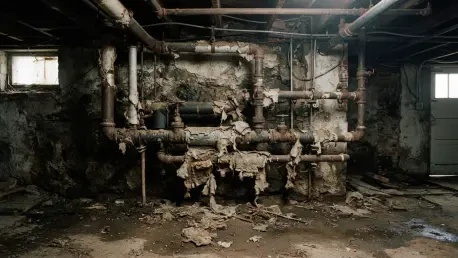
The ongoing saga at Westminster provides a window into the evolving nature of hazardous material management in 2026. This is not merely a story of ancient pipes and crumbling basements; it is a testament to the fact that even modern survey techniques can miss significant deposits. The surge in identified materials highlights a systemic issue where previous audits were either too narrow in scope or lacked the intrusive depth required to see behind the layers of historical modifications. As buildings undergo repetitive cycles of modernization, each layer of new construction can unintentionally bury older, hazardous materials, creating a complex subterranean puzzle for future owners.
For the broader property sector, the Westminster case serves as a high-profile warning that safety records are living documents, not static certificates. The discovery of 500 “new” items in a building that has been under the microscope for years suggests that similar gaps exist in schools, hospitals, and office complexes worldwide. The financial implications are immediate, as the need for emergency remediation can derail even the most carefully planned maintenance budgets. Furthermore, the reputational risk for property owners who claim their buildings are “asbestos-free” only to have hazards surface during minor repairs is substantial, potentially leading to a loss of tenant trust and a decrease in asset value.
The logistical complexity of managing these findings is perhaps the most daunting aspect for modern stakeholders. Remediation in a high-traffic or high-security environment like a government estate requires specialized labor, strictly controlled environments, and a significant amount of downtime. These challenges are mirrored in the private sector, where a single discovery in a retail mall or a corporate headquarters can result in the closure of entire wings. The Westminster discovery has forced a transition in the industry toward a state of constant vigilance, where the absence of reported asbestos is no longer viewed as definitive proof of a safe environment.
Why Asbestos Remains a Contemporary Threat
While many observers believed the asbestos crisis reached its zenith at the end of the last century, the logistical and financial reality of current refurbishment projects highlights a different story. The Westminster project, which is projected to cost as much as $51 billion and span from 2026 to 2086, showcases how a legacy material can dictate the economic viability of infrastructure. Asbestos is not a settled historical matter; it is a live asset management crisis that complicates every aspect of structural improvement. When hazardous fibers are present, a simple electrical upgrade or an HVAC replacement can quickly spiral into a multimillion-dollar abatement operation.
The global property sector is currently grappling with the reality that asbestos remains one of the single largest threats to financial stability in real estate development. The presence of these materials often acts as a barrier to the “green” retrofitting required to meet modern energy standards. Many older structures that are otherwise perfect candidates for high-efficiency insulation or solar integration are being held back because the underlying substrates contain asbestos. This creates a secondary crisis where property owners must choose between the high cost of total removal and the long-term inefficiency of aging systems, often leading to “stranded assets” that are too expensive to modernize but too risky to ignore.
Moreover, the human element of this threat cannot be ignored, as a new generation of tradespeople enters the workforce with less direct experience in identifying these hazards. There is a concern that the specialized knowledge required to spot unconventional asbestos applications, such as in certain brands of older textured coatings or industrial gaskets, is being lost. This knowledge gap, combined with the pressure to complete projects quickly, increases the likelihood of accidental exposure. As a result, the threat remains contemporary because the risks are being rediscovered by individuals who were not even born when the initial bans were enacted, creating a fresh cycle of health concerns and legal liabilities.
Uncovering the Risks in Modern Infrastructure
A primary driver of the current crisis is the widespread failure of historical building records to capture the true extent of hazardous materials. Documentation from the mid-to-late 20th century was often incomplete, inconsistent, or lost during property transfers. In buildings modified during the peak years of asbestos use, between the 1950s and the 1990s, the “as-built” drawings rarely reflect the substitutions made by contractors on the ground. These missing data points create a false sense of security for contemporary owners who rely on outdated files, leading them to believe that their structures are safer than they truly are.
The limitations of standard management surveys further exacerbate this lack of transparency. Most routine inspections are designed to be non-intrusive, focusing on materials that are easily accessible during normal building occupancy. While these surveys are necessary for day-to-day safety, they are fundamentally ill-equipped to identify materials hidden within structural cavities, behind false ceilings, or deep within service risers. Without more intrusive testing, the phrase “no asbestos detected” is frequently misinterpreted as “asbestos-free,” a linguistic nuance that can have catastrophic consequences when a wall is eventually demolished for a renovation project.
Furthermore, the late 20th-century practice of encapsulation has created a dangerous legacy for modern owners. Instead of opting for expensive removal, many past contractors “boxed in” asbestos with drywall or wood, effectively hiding the problem from view. These hidden voids now function as ticking time bombs, concealed within the very fabric of the building. When modern structural alterations occur, such as the installation of fiber-optic cabling or new plumbing, these encapsulated zones are breached, releasing fibers into areas that were previously thought to be uncontaminated. This “conceal and forget” tactic has merely delayed the crisis, shifting the burden and the danger to the current generation of property managers.
Expert Perspectives on Legal and Insurance Impacts
Legal experts are increasingly focused on the “long-tail” nature of asbestos liability, which remains a significant burden for the insurance sector. Unlike standard accidents where the damage is immediate, asbestos exposure triggers claims that may not surface for decades. In many jurisdictions, the legal trigger for insurance coverage is tied to the date of exposure rather than the date of diagnosis. This means that insurers remain legally and financially tethered to activities that occurred nearly half a century ago. Even if modern policies contain strict exclusions for asbestos, the historical “run-off” of old policies continues to drain resources and complicate the financial forecasting of major insurance firms.
There is also a growing trend among underwriters to compare the asbestos crisis to the emerging threat of “forever chemicals” like PFAS. Both substances were once hailed as industrial miracles before their long-term environmental and health impacts were understood. Underwriters see a parallel in how these substances accumulate stealthily in the environment and in building materials, leading to massive legal burdens that surface long after the original construction decisions were finalized. This comparison has led to a hardening of the insurance market, where obtaining comprehensive coverage for older building portfolios is becoming increasingly difficult and expensive due to the perceived aggregation of risk.
The industry is also sounding the alarm regarding what many call “asbestos apathy.” Because the material has been a known hazard for so long, some property managers have developed a dangerous level of complacency, viewing it as yesterday’s problem. Experts warn that this decline in urgency is precisely what leads to major work stoppages and litigation. When a project is halted due to an unexpected discovery, the resulting delay claims from contractors and the costs of emergency remediation often exceed the original value of the renovation. This apathy not only endangers workers but also threatens the bottom line of every stakeholder involved in the life cycle of a property.
Best Practices for Proactive Risk Management
In light of the lessons learned from recent large-scale discoveries, industry leaders recognized that a “check-the-box” mentality was no longer sufficient for managing legacy hazards. They moved toward mandating rigorous Refurbishment and Demolition (R&D) surveys as a standard precursor to any structural work. Unlike basic management surveys, these intrusive investigations required the systematic opening of walls, floors, and ceilings to identify materials that had been concealed for decades. By investing in these comprehensive assessments before the commencement of work, property owners were able to avoid the high costs associated with emergency stoppages and unplanned remediation.
Experts also emphasized the necessity of evaluating consultant competence and ensuring that all contractors held the appropriate specialized licenses. Managing complex heritage or commercial structures required a level of expertise that went beyond basic compliance; it demanded a deep understanding of both traditional construction methods and modern hazardous material controls. Property managers who prioritized quality over the lowest bid found that they were better protected against the professional liability risks that often followed inadequate surveying. The selection of licensed removal specialists became a cornerstone of financial protection, ensuring that remediation was completed safely and correctly the first time.
Ultimately, the most successful strategies involved a fundamental shift in mindset toward skepticism regarding all existing documentation for buildings constructed before 2000. These proactive owners implemented strict permit-to-work systems and rigorous oversight to protect both their assets and their workforce. They acknowledged that asbestos remained a contemporary crisis and prioritized the creation of dynamic, high-quality data sets that reflected the true state of their buildings. By treating asbestos management as a continuous process rather than a historical one-off, they secured their properties against the persistent legal and financial risks that characterized the modern property sector.