
A lack of transparency regarding how insurers calculate cash settlements has led the ombudsman to side with consumers in nearly half of all payout-related disputes. This striking statistic reflects a broader crisis within the home insurance industry, where policyholder satisfaction has plummeted to unprecedented depths. Throughout the 2025-2026 fiscal year, the relationship between insurers and their clients has been strained by a growing volume of formal grievances, many of which stem from a fundamental misalignment of expectations. Data indicate that more than 10% of all claimants now feel compelled to escalate their issues to the Financial Ombudsman Service, signaling a systemic failure in the way claims are processed and communicated. As premiums continue to climb, the demand for accountability has intensified, forcing a spotlight on the internal mechanisms that determine whether a homeowner receives the support they were promised or a frustrating legal battle that can last for months.
Analyzing Disparities in Dwelling and Personal Property Claims
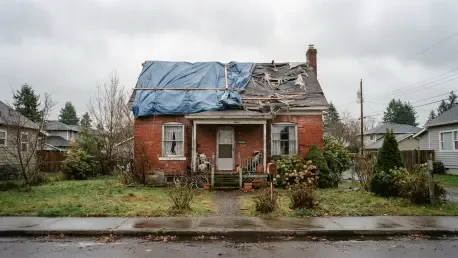
The volume of formal disputes varies significantly depending on whether the policy covers the physical structure of the residence or the personal belongings contained within it. Dwelling insurance generates a substantially higher number of complaints, with over 6,400 cases filed in the current annual cycle compared to roughly 1,600 for personal property coverage. This discrepancy is largely attributed to the complex nature of structural repairs, which involve significantly higher financial stakes and more intricate technical assessments. When a property suffers from subsidence, roofing failures, or major water damage, the path to restoration is rarely straightforward, leading to protracted disagreements between homeowners and claims adjusters over the scope of necessary work. These structural claims often uncover hidden architectural issues that insurers are reluctant to cover, creating a fertile ground for disputes that require external arbitration to reach a fair and sustainable resolution for the policyholder.
In contrast, personal property insurance accounts for a smaller but still significant portion of the ombudsman’s caseload, where the friction often arises from valuation disagreements and restrictive policy riders. While the financial impact of a stolen laptop or a damaged sofa might be lower than a structural repair, the emotional toll of losing personal property can be profound. Many policyholders are surprised to find that high-value items require specific declarations or specialized coverage that was not clearly emphasized at the point of sale. This lack of clarity leads to a sense of betrayal when a claim is denied or when the payout falls short of the replacement cost. Whether the dispute involves the rebuilding of a home or the replacement of cherished items, the common thread is a growing frustration with the fine print that limits coverage. This disconnect highlights a critical need for insurers to simplify their policy documents and ensure that customers fully understand the limitations of their financial protection.
Examining the Impact of Rejected Claims and Repairs
The single most significant catalyst for formal conflict in the current market is the outright rejection of insurance claims by the provider. According to recent industry findings, approximately one-third of dwelling claims and 40% of personal property claims are declined, often leaving homeowners to shoulder unexpected financial burdens during times of crisis. While insurers frequently attribute these rejections to a consumer’s misunderstanding of the policy terms, the reality points toward a systemic issue with contract complexity. Many essential protections, such as accidental damage or home emergency coverage, are increasingly sold as optional extras rather than being included in standard packages. Furthermore, the industry’s rigid definitions for common environmental events, such as defining a “storm” only by specific wind speeds, often exclude damage caused by heavy rain or snow. This legalistic approach to claim handling creates a frustrating gap between what consumers expect to be covered and the reality of their contractual obligations.
Even when claims are accepted, the quality of the subsequent repairs and the administrative delays involved remain major sources of contention. Insurers are most likely to lose cases involving poor repair quality or delays, with the ombudsman upholding more than 50% of dwelling insurance disputes in these categories. Homeowners often find themselves trapped in a cycle of subpar work performed by insurer-approved contractors who are frequently incentivized to minimize costs rather than ensure long-term structural integrity. Because many policies offer only a single year of guarantee for repairs, residents are often left to deal with the consequences of botched construction long after the claim has been closed. This lack of quality control can transform a standard claim into a traumatic, long-term ordeal, with families living in unfinished construction sites for months. The high rate of ombudsman interventions in these cases highlights a desperate need for better oversight of the professional repair networks managed by major firms.
Navigating Cash Settlements and Regulatory Reforms
A growing trend toward offering cash settlements instead of managing repairs directly has introduced a new set of financial risks for modern policyholders. Currently, nearly 44% of claimants are offered a lump sum payment, a move that often allows the insurer to release themselves from further liability for the claim. While this may appear to offer flexibility, it frequently places the entire financial risk on the homeowner, who must then navigate a volatile construction market. Many initial cash offers fail to account for the rising costs of building materials or the unforeseen structural complications that often arise once work begins. Because accepting these payments usually ends the insurer’s involvement, homeowners are left to cover any deficit if the actual repair costs exceed the settlement. This practice has become a primary driver of complaints regarding insufficient compensation, as policyholders struggle to find qualified contractors willing to work within the narrow budgets provided by the insurance adjusters.
In response to these widespread failings, the financial sector has faced intense scrutiny from regulators who are demanding greater accountability and transparency. The Financial Conduct Authority initiated several probes into the sale and management of home insurance, with final results expected to drive significant industry changes by late 2026. Simultaneously, legislative committees have called for the publication of performance data, which would force insurers to disclose their claim acceptance rates and customer service metrics to the public. This shift toward a performance-based market was designed to help consumers choose providers based on their track record of paying claims rather than just the price of the annual premium. For policyholders, the most effective strategy remains a commitment to active advocacy and the documentation of every interaction. By familiarizing themselves with their rights and utilizing the formal complaint process, homeowners are able to challenge unfair practices and secure the financial protection they have diligently paid for over many years.