
The arrival of advanced generative artificial intelligence has fundamentally altered the landscape of automotive insurance fraud by enabling the mass production of hyper-realistic documents that are nearly indistinguishable from legitimate policies issued by established providers. In previous years, ghost broking typically involved “fronting,” where a scammer would falsify details like a driver’s age or address on a real policy to lower premiums. However, the current environment sees a shift toward total document fabrication where every element of the insurance certificate is manufactured from thin air using AI-driven templates. This technological leap allows criminals to bypass the need for any actual interaction with legitimate insurance systems, creating a parallel market of worthless paper that leaves motorists completely unprotected. As these sophisticated techniques become more accessible, the distinction between a valid digital certificate and a fraudulent one continues to blur for the average consumer.
The Modern Evolution: From Fronting to Fabrication
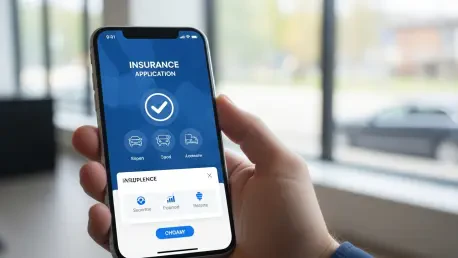
Modern fraudsters have moved far beyond the amateurish tactics of the past, opting instead to build sophisticated digital portals that mimic the user experience of high-end financial platforms. These operations are often staffed by individuals who do not view themselves as traditional street criminals but rather as specialized professionals in the burgeoning field of online sales and lead generation. By utilizing high-quality graphics, professional copywriting, and even AI-powered chatbots to answer customer inquiries, these ghost brokers create an aura of legitimacy that can fool even cautious shoppers. The professionalization of this criminal activity has turned insurance fraud into a scalable business model that operates with corporate-level efficiency. This shift in mindset among perpetrators makes enforcement particularly challenging because the infrastructure used to facilitate these scams is designed to be as polished and trustworthy as any legitimate fintech application.
The integration of automation allows these criminal enterprises to expand their reach across numerous platforms simultaneously without requiring a massive human workforce. Instead of manually forging a single document, a scammer can now use automated scripts to generate thousands of unique, personalized insurance certificates in a matter of seconds. This industrial-scale production means that once a ghost broking ring is identified and shut down, dozens more can appear under different branding almost instantly. The use of generative AI ensures that the language used in these documents is legally plausible and free from the grammatical errors that once served as red flags for fraud. Furthermore, these tools can adapt to local regulations across different states, making it possible for a single operation to target motorists in multiple jurisdictions with localized, convincing documentation. This level of technical sophistication represents a significant barrier for legacy fraud detection systems that rely on identifying simple patterns of forgery.
The Scaling Crisis: Examining Recent Industry Trends
Recent industry data indicates a staggering 52% increase in reported ghost broking incidents, a trend that coincides with the rapid adoption of consumer-facing AI tools. This surge is most visible among younger demographic groups who frequently turn to social media platforms and encrypted messaging apps to find competitive deals on their monthly expenses. Statistically, nearly half of drivers under the age of thirty-five have encountered or actively sought out insurance offers through non-traditional channels where ghost brokers thrive. Many of these individuals grow up in a digital-first environment but lack the specific financial literacy required to distinguish between a regulated broker and a predatory scammer. This vulnerability is compounded by the fact that scammers often use influencers or sponsored content to reach their targets, lending a borrowed credibility to their fraudulent services. As the cost of living continues to fluctuate, the temptation of significantly lower premiums drives more people into these traps.
Social media algorithms significantly exacerbate the problem by funneling fraudulent advertisements directly to users who have previously searched for affordable car insurance or related terms. Because consumers have become accustomed to purchasing legitimate products and services through apps like Instagram, TikTok, or Telegram, they often approach these platforms with a pre-existing level of trust. When a professional-looking ad for a “discounted” policy appears in their feed, many users assume the platform has vetted the advertiser, which is rarely the case in reality. This creates a dangerous environment where the convenience of modern e-commerce is weaponized against the buyer to facilitate grand-scale deception. The psychological impact of seeing a familiar interface helps to normalize the transaction, making the “too-good-to-be-true” pricing seem like a savvy find rather than a criminal setup. Consequently, the digital ecosystem inadvertently supports the expansion of these scams by providing ghost brokers with a steady stream of highly targeted and trusting victims.
Risk Assessment: Financial and Legal Consequences
For the unsuspecting motorist, the financial loss associated with paying a fraudulent broker is often just the beginning of a long and painful legal ordeal. When a driver unknowingly operates a vehicle with a fake policy, they are essentially driving uninsured, which carries severe penalties including heavy fines and the immediate seizure of the vehicle. In many cases, the victim does not realize they have been scammed until a routine traffic stop or a minor collision occurs, at which point the police reveal that the policy does not exist in the national database. Beyond the initial loss of the “premium” payment, victims may find themselves personally liable for thousands of dollars in damages if they are involved in an accident. The legal system often treats the lack of insurance as a strict liability offense, meaning that even though the driver was a victim of fraud, they still face criminal charges and the potential loss of their driving privileges. This double victimization creates a cycle of debt and legal instability that is difficult to escape.
The broader economic impact of ghost broking ripples through the entire insurance industry, eventually manifesting as higher premiums for law-abiding policyholders who must subsidize the costs. When uninsured drivers are involved in accidents, the claims are often processed through uninsured motorist funds, which are funded by the premiums of honest consumers. This creates a systemic imbalance where the price of integrity increases while the accessibility of affordable coverage decreases for everyone. Legitimate insurance brokers are also suffering as they are forced to compete with criminals who have zero regulatory compliance costs, no taxes to pay, and no actual risk to cover. This unfair competition threatens the viability of small, local brokerage firms that cannot match the artificially low prices offered by AI-driven scammers. Over time, the erosion of trust in the digital insurance marketplace could lead to a decline in voluntary coverage, further destabilizing the financial protections that modern society relies upon for road safety and asset management.
Strategic Defense: Implementing Effective Prevention Measures
Strengthening the regulatory framework surrounding social media advertising is a critical step toward curbing the unchecked growth of ghost broking operations. Authorities have increasingly called for stricter verification processes that would require any entity advertising insurance products to provide proof of their authorized status with relevant financial regulators. By cutting off the primary discovery channel for these scams, the reach of ghost brokers would be significantly limited, protecting the most vulnerable consumers from predatory ads. Additionally, incorporating insurance literacy and fraud awareness modules into driver education and licensing exams could provide new motorists with the tools to spot red flags before they make a purchase. Educating the public on how to verify a broker’s credentials through official government databases creates a more resilient consumer base that is less susceptible to the allure of low-cost, unverified offers. Targeted outreach to immigrant communities and young drivers remains essential for building a broad defense.
The “whack-a-mole” nature of AI-driven fraud required a shift from reactive policing to a more proactive and collaborative approach between tech firms and insurers. In recent months, several industry leaders successfully implemented real-time API integrations that allowed social media platforms to cross-reference advertisements against national databases of registered brokers. This technological synergy helped to identify and remove thousands of fraudulent accounts before they could execute a single transaction. Law enforcement agencies also benefited from enhanced data-sharing agreements that allowed them to track the digital footprints of ghost broking rings across international borders. By focusing on the infrastructure of the scams rather than individual cases, regulators were able to disrupt the financial flow that incentivized these criminal activities. Moving forward, the focus remained on the continuous evolution of detection algorithms to keep pace with the advancements in generative AI. A unified front became the only way to restore integrity to the digital insurance marketplace.