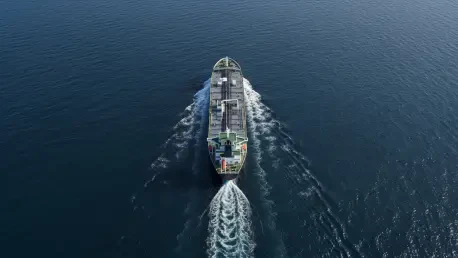

The maritime stability of the Bab el-Mandeb Strait has reached a critical tipping point as targeted drone and missile strikes against Saudi-flagged petroleum tankers continue to destabilize one of the world’s most vital energy arteries. These persistent maritime aggressions by Houthi forces have forced a fundamental reassessment of security protocols for commercial vessels navigating the Red Sea. While early incidents were viewed as isolated skirmishes, the systematic nature of recent engagements suggests a calculated strategy to disrupt the flow of crude oil to international markets. Global energy prices now reflect a persistent geopolitical risk premium that fluctuates with every report of an intercepted projectile or damaged hull. This heightened state of alert has compelled naval task forces to expand their presence, yet the sheer volume of traffic makes absolute protection an elusive goal for even the most advanced maritime coalitions. The vulnerability of large-scale tankers underscores the inherent fragility of global supply chains that rely on narrow transit corridors. As regional tensions remain unresolved, the frequency of these kinetic encounters creates an environment of perpetual uncertainty for fleet operators and cargo owners alike. The economic implications are becoming increasingly difficult to ignore as the cost of doing business in these waters continues to climb.
Escalating Financial Burdens for Global Shipping
The immediate consequence of these persistent maritime threats is the dramatic surge in war risk insurance premiums for vessels transiting the Bab el-Mandeb and southern Red Sea. Underwriters at major hubs like Lloyd’s of London have adjusted their risk models to account for the increased probability of total loss or significant damage from sophisticated weaponry. This financial burden is not distributed evenly, as tankers associated with specific regional powers now face astronomical costs compared to neutral-flagged vessels. Some operators report that insurance premiums have risen tenfold within the span of a few months, turning once-profitable routes into significant financial liabilities. To mitigate these expenses, many shipping conglomerates have opted for the much longer journey around the Cape of Good Hope. While this detour ensures the safety of the crew and cargo, it adds several weeks to delivery timelines and increases carbon emissions significantly. The ripple effect of these diversions is felt across the manufacturing and retail sectors, where delays in raw material deliveries lead to inventory shortages. Furthermore, the reliance on high-tech defense systems like the Aegis Combat System has become a standard requirement for ships daring the Red Sea passage. This environment has effectively created a two-tier shipping economy based on risk tolerance.
Strategic Resilience and Modern Security Protocols
The escalation of maritime risks necessitated a paradigm shift in how international shipping lanes were secured and managed during this volatile period. Advanced satellite tracking and real-time intelligence sharing became the primary tools for avoiding active conflict zones within the Red Sea basin. Naval architects and security consultants collaborated to implement reinforced hull designs and automated decoy systems capable of diverting incoming drone threats. These technological investments provided a temporary buffer against the rising tide of aggression, but the underlying geopolitical instability required a more robust diplomatic framework. Shipping companies transitioned toward decentralized supply chains to reduce their dependency on a single transit point, effectively diversifying their logistical footprints. Port authorities in neighboring regions adjusted their infrastructure to accommodate the influx of vessels diverted from the Suez Canal, ensuring that the flow of commerce did not grind to a complete halt. Ultimately, the industry moved toward a model of proactive risk management that prioritized crew safety and vessel integrity over short-term operational savings. This transition set a new standard for maritime security that integrated cyber-defense and physical hardening into the daily operations of every major global tanker fleet. Coordination between private security firms and international naval assets established a blueprint for safeguarding commercial interests in contested waters.