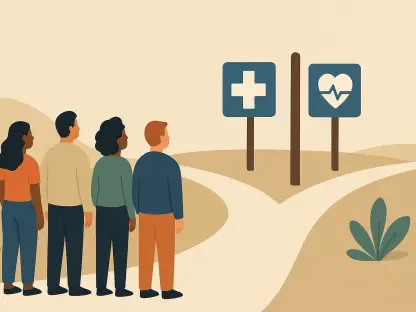

The delicate equilibrium of the American healthcare landscape has recently shifted as millions of citizens find themselves unexpectedly losing the insurance coverage they relied upon during the previous decade. After years of steady progress in expanding access through a combination of federal subsidies and temporary protections, the nation is now witnessing a significant rise in the number of individuals under the age of 65 who lack any form of medical safety net. This shift is not merely a statistical anomaly but a critical turning point that highlights the inherent fragility of the current system. As economic pressures mount and pandemic-era policy interventions are phased out, the cracks in the fragmented patchwork of employer-sponsored plans and public programs are becoming more apparent. Understanding this trend requires a deep dive into the specific policy changes and socioeconomic factors that are driving people out of the insurance market. The resurgence of the uninsured population signals a potential crisis for the healthcare infrastructure, as the gains of the past several years are slowly eroded by a return to more restrictive administrative practices and the rising cost of private premiums.
The complexity of the U.S. healthcare framework means that coverage is often tied to specific life stages or employment statuses, creating numerous points where a person might lose their benefits. While the Affordable Care Act (ACA) provided a more robust foundation, the system still relies heavily on individual states and private corporations to maintain the flow of enrollment. When these external factors fluctuate, the uninsured rate fluctuates in tandem, often leaving the most vulnerable populations in a state of perpetual uncertainty. The current rise in uninsurance is a multi-faceted issue, involving everything from state-level Medicaid redeterminations to the sunsetting of temporary federal financial assistance. By examining how these different systems interact, observers can begin to see where the safety net is failing the public. The goal for policymakers in 2026 remains finding a way to bridge these gaps permanently, rather than relying on the stop-gap measures that have recently expired. Failure to address these systemic vulnerabilities could result in a long-term decline in national health outcomes and a substantial increase in uncompensated care costs for hospitals.
Turning the Tide: The Recent Surge in Uninsured Numbers
For the first time in five years, the steady downward trend in the number of uninsured Americans has completely reversed, sparking concern among public health officials and economists alike. In 2024, the total number of individuals under age 65 without health insurance grew by more than a million people, bringing the total to approximately 26.7 million. This shift pushed the national uninsured rate back toward double digits, marking a sharp departure from the record lows that were celebrated just a few years ago. The suddenness of this increase suggests that the previous improvements were less about permanent structural changes and more about temporary emergency mandates. As these mandates have been withdrawn, the underlying instability of the American health insurance market has resurfaced with significant force. This trend is particularly alarming because it occurs during a period of relatively stable employment, suggesting that a job alone is no longer a guarantee of affordable or accessible medical coverage for a growing portion of the workforce.
The primary catalyst for this recent spike in the uninsured population was the massive administrative undertaking commonly referred to as the Medicaid unwinding process. During the global health emergency, federal regulations prevented states from removing individuals from Medicaid rolls, regardless of changes in their income or eligibility status. This created a continuous coverage requirement that acted as a massive safety net for millions of low-income families. However, those emergency rules expired in early 2023, and states were tasked with re-evaluating the eligibility of every single person on their programs. This led to a wave of disenrollments, many of which occurred for purely procedural reasons rather than a legitimate change in financial circumstances. Many individuals lost their coverage simply because they did not receive a renewal form in the mail or were unable to navigate the complex documentation requirements in a timely manner. The resulting vacuum has left millions of people without any form of protection, as they struggle to transition from public assistance to private insurance options.
While some of those who lost Medicaid were able to transition to the ACA Marketplace by taking advantage of enhanced subsidies, a significant portion of the population was essentially left behind. These individuals often found themselves in a difficult financial position where they no longer qualified for public assistance but could not afford the monthly premiums required for private plans. Even with the availability of tax credits, the out-of-pocket costs associated with many Marketplace plans—including high deductibles and co-pays—remained a significant barrier. This gap in the system has created a new wave of uninsurance that spans across the country, affecting rural and urban areas alike. The current data from 2026 indicates that without a renewed focus on streamlining these transitions, the number of uninsured individuals will likely continue to climb. The lesson learned from this period is that temporary fixes, while effective in the short term, often lead to a “coverage cliff” that can destabilize the lives of millions when the policies are eventually rescinded.
Who Are the Uninsured: A Demographic Breakdown
The uninsured population in the United States is far from being a uniform group, as it is heavily concentrated among specific age groups and income brackets that face unique economic challenges. Children have been particularly impacted by the recent changes in the healthcare landscape, with their uninsured rate rising at a faster pace than that of the adult population. This demographic shift is directly tied to the fact that children represent a significant portion of the Medicaid and Children’s Health Insurance Program (CHIP) enrollees who were affected by the recent eligibility redeterminations. When parents lose their coverage or fail to complete the necessary paperwork, their children often lose their medical safety net as well. This creates a ripple effect throughout the education and healthcare systems, as children without insurance are less likely to receive the preventive care and early interventions necessary for long-term health and academic success.
Young adults in the 19-to-34 age range also continue to face some of the highest rates of uninsurance in the country, frequently due to the nature of their employment and life transitions. Many individuals in this group are engaged in entry-level positions, gig-economy roles, or part-time work that does not offer traditional employer-sponsored health benefits. Furthermore, the transition out of the parental insurance umbrella at age 26 remains a precarious moment for many. Even for those who are employed full-time, the cost of an individual policy can be prohibitively expensive compared to their starting salaries and rising student loan obligations. The lack of a stable, portable insurance option for this mobile workforce means that a large segment of the future labor force is living without any financial protection against medical emergencies. This situation often leads to delayed care, which can exacerbate minor health issues into chronic conditions that are much more difficult and expensive to treat later in life.
Financial status remains the single most powerful predictor of whether an individual in the United States possesses health insurance coverage. The vast majority of people living without coverage belong to families with low to moderate incomes, specifically those earning less than 400% of the federal poverty level. For these households, the cost of insurance is not just a line item in a budget; it is a competing priority against fundamental needs such as housing, food, and transportation. There is a persistent and inaccurate misconception that the uninsured are largely unemployed, but data from 2026 reveals that most uninsured individuals are part of working families where at least one person is employed full-time. These “working uninsured” often have jobs in sectors like retail, construction, or the hospitality industry, where employers are not required to provide health benefits or where the employee’s share of the premium is simply too high to be sustainable. This creates a reality where working harder does not necessarily lead to better health security.
Systemic Barriers: Social Disparities in Health Access
Deep-seated racial and ethnic inequities continue to dictate the terms of healthcare access in the United States, creating a system where certain communities are systematically disadvantaged. People of color make up a disproportionate share of the uninsured population, with Hispanic and American Indian communities experiencing the most significant barriers to coverage. These disparities are not accidental but are the result of historical and ongoing economic factors, including limited access to high-paying jobs with comprehensive benefits and the lack of generational wealth. Even when individuals in these communities are eligible for public programs, they often face additional hurdles such as a lack of nearby medical facilities or a shortage of providers who accept their insurance. This systemic exclusion means that the very populations that often face the highest risks of chronic illness are the least likely to have the tools necessary to manage their health effectively.
Citizenship and residency status also play a pivotal role in determining who can access the insurance market, leaving millions of residents in a legal and medical limbo. Noncitizens are significantly more likely to be uninsured than U.S. citizens, largely due to federal and state laws that restrict their eligibility for public assistance. For example, many lawfully present immigrants are forced to endure a five-year waiting period before they can even apply for Medicaid or CHIP. Undocumented immigrants are almost entirely excluded from federal health programs, forcing them to rely on emergency rooms or charity clinics for their medical needs. This situation creates a massive segment of the population that contributes to the economy but is effectively locked out of the primary insurance markets. The lack of a clear pathway to coverage for these individuals not only harms their personal well-being but also places an immense financial strain on the public health systems that must provide care for them when they arrive in crisis.
Beyond legal eligibility requirements, administrative hurdles and the “chilling effect” of past immigration policies continue to deter many eligible individuals from seeking benefits. Fear of how enrolling in a public program might influence their immigration status or future path to citizenship often prevents families from applying for help, even for their children who are U.S. citizens. This hesitation is compounded by language barriers and a lack of culturally competent outreach efforts from government agencies. When the enrollment process is only available in English or requires an intimidating amount of documentation, it creates a functional barrier that many families simply cannot overcome without professional assistance. These systemic failures ensure that the most marginalized and vulnerable populations remain the most likely to go without care, perpetuating a cycle of health inequity that spans generations. Addressing these barriers requires more than just policy changes; it requires a fundamental shift in how the government communicates with and supports its diverse population.
The Geographic Divide: State Policies and the Coverage Gap
One of the most defining factors in whether an American has health insurance is the specific state in which they reside, creating a “zip code lottery” that determines medical security. States that have embraced the expansion of Medicaid under the Affordable Care Act generally report much lower uninsured rates because they provide a guaranteed pathway for low-income adults. In these regions, a person earning a low wage can still rely on a public safety net that covers preventive services, prescriptions, and hospital stays. In contrast, states that have rejected this expansion leave their residents at the mercy of highly restrictive eligibility rules that often exclude anyone who is not a child, a pregnant woman, or a person with a severe disability. This geographic disparity means that two people with the same income and health needs can have vastly different lives and financial outcomes simply because they live on different sides of a state border.
The ten states that have consistently refused to expand Medicaid are currently home to a massive and growing portion of the nation’s uninsured population. In these non-expansion states, many adults fall into what is known as the “coverage gap,” where their income is too high to qualify for traditional Medicaid but too low to qualify for federal subsidies on the ACA Marketplace. These individuals are effectively trapped in a no-man’s land where no affordable health insurance options exist for them, regardless of their employment status or health history. States like Texas and Florida, which have some of the highest uninsured rates in the country, continue to see their healthcare systems strained as local communities must find ways to provide care for those without coverage. The refusal to expand Medicaid not only hurts the individuals who lack insurance but also deprives these states of billions of dollars in federal funding that could be used to bolster their medical infrastructure and improve overall public health.
The financial consequences of these geographic disparities extend far beyond the individual, impacting the long-term viability of hospitals and clinics across the country. In states that have not expanded Medicaid, medical providers face significantly higher levels of uncompensated care costs because they are legally and ethically required to treat patients in emergency situations regardless of their ability to pay. This financial burden is particularly acute for rural hospitals, many of which have been forced to close their doors in recent years due to unsustainable losses. When a rural hospital closes, the entire community loses access to vital services, including emergency care, maternity wards, and primary care physicians. This creates a downward spiral where the lack of insurance leads to hospital closures, which in turn leads to even worse health outcomes for the entire region. The geographic divide in insurance coverage is thus not just a matter of individual policy but a significant threat to the stability of the national healthcare delivery system.
Why People Struggle: Navigating Costs and Complexity
When individuals are surveyed about why they currently lack health insurance, the most frequently cited reason is the overwhelming cost of premiums and out-of-pocket expenses. Even for those who have access to an employer-sponsored plan, the employee’s contribution to the monthly premium has risen steadily, often outpacing any growth in wages. For a family living on a tight budget, the decision to pay hundreds of dollars a month for insurance often means sacrificing other necessities like a mortgage payment or nutritious food. As private insurance premiums continue to climb in 2026, more people are finding themselves priced out of the market, viewing health insurance as an unaffordable luxury rather than a basic necessity. This affordability crisis is a central driver of the growing uninsured rate, as it forces even middle-income earners to take a gamble on their health in order to keep their households afloat financially.
The sheer complexity of the enrollment and renewal process acts as another major deterrent that prevents eligible people from obtaining and keeping their coverage. Navigating the mountain of paperwork required for Medicaid or the ACA Marketplace can be a daunting task, especially for those who lack consistent internet access or have limited time due to multiple jobs. Many people lose their coverage not because they are no longer eligible, but because the system is designed with so many administrative hurdles that it becomes easy to make a mistake. Proving income, residency, and household size every year requires a level of documentation that can be difficult for seasonal workers or those in the gig economy to provide. When the process is perceived as overly burdensome or confusing, many individuals simply give up, choosing to go without insurance rather than endure the stress and frustration of the application process.
Significant life transitions, such as the loss of a job, a divorce, or the death of a spouse, frequently result in gaps in insurance coverage that can last for months or even years. While the system is designed to allow for “special enrollment periods” during these times, many people are unaware of these options or are too overwhelmed by their circumstances to seek out new insurance immediately. For many of the uninsured, a temporary lapse in coverage becomes a permanent state of vulnerability because they lack the resources to navigate the market once their initial window of opportunity has closed. Data shows that a large majority of the current uninsured population has been without coverage for a long period, suggesting that once someone falls out of the system, it is incredibly difficult for them to get back in. This lack of continuity in coverage is a major systemic failure that leaves millions of people exposed to financial and medical ruin during the most difficult periods of their lives.
Real-World Consequences: Health Risks and Financial Ruin
The reality of living without health insurance in the United States has immediate and often devastating consequences for an individual’s physical and mental well-being. Uninsured people are significantly more likely to delay or skip necessary medical care because they are terrified of the bills that will follow. This avoidance of care often means that minor health issues, which could have been managed with a simple office visit or a low-cost prescription, are allowed to escalate into life-threatening emergencies. By the time an uninsured person finally seeks help, their condition is often much more advanced, requiring more invasive treatments and longer hospital stays. This leads to a tragic paradox where the people who can least afford medical care end up needing the most expensive interventions because they were unable to access preventive services earlier. The lack of insurance is thus a primary factor in the persistence of preventable illnesses and the overall decline in life expectancy in certain communities.
For individuals living with chronic conditions such as diabetes, asthma, or high blood pressure, the lack of health insurance can quite literally be a death sentence. Managing these diseases requires a steady supply of medication and regular monitoring by a healthcare professional, both of which are out of reach for those without coverage. Without access to affordable insulin or blood pressure medication, these patients are at a significantly higher risk for catastrophic events like heart attacks, strokes, or kidney failure. Research consistently shows that having insurance is one of the most effective ways to prevent premature death and improve the overall quality of life for the population. Beyond the physical toll, the constant stress of living without a medical safety net takes a heavy toll on mental health. The fear of a single accident or illness ruining a family’s future creates a state of chronic anxiety that can be just as debilitating as a physical ailment.
The financial fallout of being uninsured is equally catastrophic, as a single trip to the emergency room can lead to a lifetime of crushing debt. Unlike insured patients who benefit from negotiated rates between their insurance company and the hospital, uninsured patients are often charged the full “sticker price” for services, which can be thousands of dollars more than the actual cost of care. Many uninsured adults report that they are currently carrying significant medical debt, which often forces them to make impossible choices, such as defaulting on rent or skipping meals to pay off a hospital bill. This debt follows them for years, ruining their credit scores and preventing them from achieving financial stability or homeownership. Furthermore, the burden of this uncompensated care eventually falls back on the rest of the society, as hospitals must raise prices for insured patients to cover their losses. This creates a vicious cycle of rising costs that makes the entire healthcare system less sustainable and more expensive for every American citizen.
Looking Ahead: Projections and Policy Shifts
The future of the uninsured population in the United States appears increasingly uncertain as several critical policies are slated for expiration or major structural changes. There is a growing movement in some legislative circles to introduce stricter work requirements and more frequent eligibility checks for those enrolled in public programs like Medicaid. While proponents argue that these measures ensure that benefits only go to those who truly need them, history suggests that they primarily serve to increase the administrative burden on families. Experience has shown that when these types of requirements are implemented, many eligible people lose their coverage simply because they cannot navigate the additional paperwork or provide the necessary proof of employment. If these policies are adopted more widely across the states, the number of uninsured Americans is expected to rise sharply as more people are pushed out of the system due to procedural errors.
Another significant threat to the national insurance rate is the potential expiration of enhanced tax credits for the ACA Marketplace. These subsidies, which were originally introduced as a temporary measure, have been instrumental in making insurance affordable for millions of middle-income families who were previously priced out of the market. If these credits are allowed to lapse, premiums for many individuals could double or even triple overnight, creating a financial shock that many households will be unable to absorb. For a large portion of the population, this price increase will be the final straw that forces them to drop their coverage and join the ranks of the uninsured. Policymakers are currently facing a critical decision: whether to make these subsidies permanent and provide a stable foundation for the market, or to allow them to expire and risk a massive surge in the number of people living without medical protection.
Current projections from nonpartisan budget offices suggest that if the current policy trends and economic conditions persist, the number of uninsured Americans could grow by as many as 14 million people over the next several years. Such a massive regression would effectively undo most of the progress that has been made in the decades since the passage of major health reforms. This shift would not only leave millions of individuals vulnerable but would also place an unprecedented strain on the nation’s public health infrastructure and emergency services. As the divide between the insured and the uninsured deepens, the social and economic consequences will be felt throughout every level of society. The challenge for the coming years is to find a way to move beyond the cycle of temporary fixes and build a healthcare system that is truly resilient, equitable, and accessible to every person, regardless of their financial status or geographic location.
Strategic Foundations: Practical Steps Toward Universal Stability
The federal government and state agencies recognized the urgent need to stabilize the insurance landscape by implementing more streamlined and automated enrollment processes. By leveraging existing data from other social service programs, administrators successfully reduced the paperwork burden that previously caused millions to lose their coverage during the Medicaid unwinding period. These technological upgrades allowed for “passive renewals,” where eligibility was verified behind the scenes without requiring the individual to submit redundant documentation. This shift in strategy proved to be a vital step in maintaining continuity of care for the most vulnerable populations, ensuring that a simple mailing error did not result in a catastrophic loss of medical benefits. Advocates also emphasized the importance of funding community-based “navigators” who provided personalized assistance to families struggling to understand their insurance options.
State legislatures that previously resisted Medicaid expansion began to reconsider their positions after observing the profound economic and health benefits enjoyed by neighboring regions. By adopting the expansion, these states were able to draw down significant federal funding that revitalized their rural healthcare networks and drastically reduced the amount of uncompensated care provided by local hospitals. This move not only provided a safety net for hundreds of thousands of low-income workers but also acted as a catalyst for regional economic growth by reducing the financial strain on small businesses. Furthermore, the implementation of more robust outreach programs in multiple languages helped to bridge the gap for immigrant communities, ensuring that legal residents were aware of and able to access the benefits for which they were eligible. These targeted interventions demonstrated that policy changes, when combined with genuine community engagement, could effectively reverse the trend of rising uninsurance.
In the private sector, employers and insurance providers collaborated to design more flexible and portable health plans that better suited the needs of the modern workforce. By decoupling health benefits from specific full-time roles, companies provided more options for gig workers and part-time employees to maintain coverage as they moved between different jobs. Additionally, the decision to extend and normalize the enhanced tax credits for Marketplace plans provided the long-term certainty that families needed to commit to their health insurance over the long haul. These combined efforts across public and private sectors created a more resilient framework that focused on prevention and stability rather than crisis management. As the nation moved forward, the focus shifted toward treating healthcare as a fundamental component of economic security, leading to a more sustainable and healthy future for all citizens.