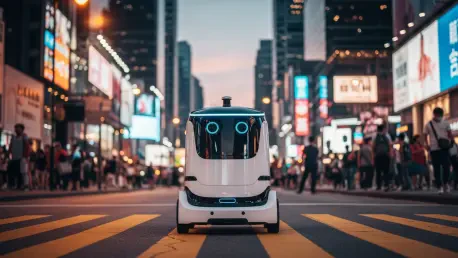

The rapid proliferation of autonomous mobile robots and specialized industrial drones throughout the high-density urban landscapes of Hong Kong has fundamentally shifted the operational risk profile for local logistics firms and construction enterprises alike. As the territory transitions toward a fully integrated smart city, the deployment of service robots in hospitals or airports has become a standard practice rather than a novelty. Yet, the narrow corridors and bustling public spaces of Hong Kong present a unique set of challenges that traditional insurance policies struggle to address efficiently. The friction involved in manually securing coverage for each unit often acts as a barrier to entry for smaller enterprises looking to automate. This is where the integration of protection directly into the technology stack becomes critical. By embedding insurance protocols within the operating systems, manufacturers can offer immediate, pay-as-you-use coverage that activates the moment a machine begins its shift, ensuring that every deployment is financially secured.
Integration Strategies for Seamless Operational Continuity
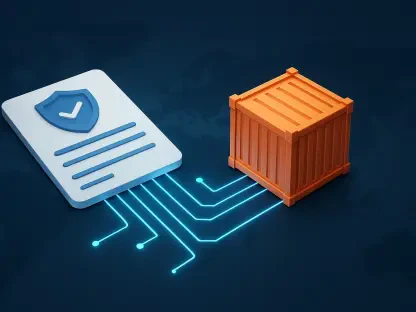
Technological integration begins at the firmware level, where Application Programming Interfaces connect robotic hardware directly to insurance underwriting engines in real time. This architecture allows for a seamless exchange of data between the robot and the insurer, facilitating the automatic creation of a policy upon activation of the device. In Hong Kong, many logistics startups have already begun collaborating with digital insurers to implement these API-driven frameworks, which eliminate the need for lengthy manual paperwork and bureaucratic delays. By automating the insurance procurement process, businesses can scale their fleets dynamically without the administrative burden of traditional risk management. This approach ensures that every new unit added to a delivery fleet or a warehouse operation is instantly covered against mechanical failure or accidental damage. Furthermore, the modular nature of this software allows for the customization of coverage based on specific parameters or environments.
The utilization of real-time telemetry and onboard sensor data represents a notable advancement in how risk is assessed and priced for autonomous systems. High-frequency sensors monitor the environment and health of the robot, providing a continuous stream of information that insurers use to adjust premiums based on actual usage and behavior. For example, a delivery robot navigating the steep and crowded streets of Central might have a different risk profile compared to one operating within a temperature-controlled logistics center in Kwai Chung. This usage-based model incentivizes safer operational practices by rewarding companies that maintain their hardware and operate in lower-risk windows. Additionally, the data gathered during these operations provides invaluable insights into recurring mechanical issues, allowing for proactive maintenance and risk mitigation. This data-centric strategy not only protects the financial health of the enterprise but also enhances the overall reliability of the robotic workforce.
Managing Liability in High-Traffic Commercial Zones
Addressing third-party liability is a complex challenge when operating autonomous systems in a city as densely populated and vertically integrated as Hong Kong. A single malfunction in a high-traffic area such as Causeway Bay could lead to significant property damage or personal injury, potentially resulting in catastrophic financial losses for an uninsured operator. Embedded insurance solves this by providing a robust liability shield that is intrinsic to the product itself, rather than an external addition. By including comprehensive public liability coverage within the purchase or rental agreement of the robot, manufacturers provide their clients with immediate peace of mind and regulatory compliance. This is particularly important for construction firms utilizing robotic exoskeletons on multi-story sites where the margin for error is razor-thin. These embedded policies often include rapid response mechanisms to handle claims efficiently, which minimizes downtime and preserves the professional reputation of technology providers.
The adoption of these sophisticated insurance frameworks transformed the robotics sector by providing a standardized path toward risk management and financial resilience. Industry leaders recognized that the successful scaling of automation required more than just advanced hardware; it demanded a comprehensive ecosystem where safety and security were baked into the technology. By prioritizing the integration of digital protection, the Hong Kong robotics community successfully bridged the gap between innovation and traditional corporate governance. Stakeholders established clear protocols for data sharing and liability, which in turn encouraged greater investment from venture capitalists and financial institutions. These collective efforts ensured that the deployment of autonomous systems remained sustainable and socially responsible. Consequently, the transition to a robot-enhanced economy was characterized by increased efficiency and a marked reduction in unhedged operational hazards. The focus shifted toward continuous improvement, ensuring technology served the city effectively.