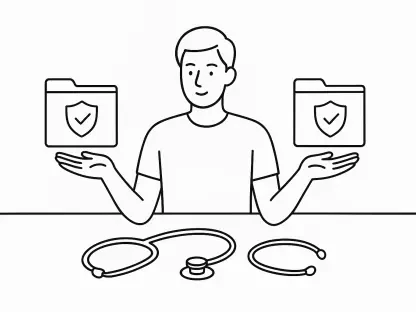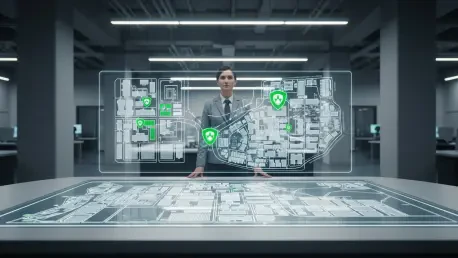

The expectation that educational institutions serve as impenetrable fortresses has shifted toward a more nuanced reality where safety is integrated into every aspect of student life. Educational leaders now find themselves balancing the need for open, welcoming environments with the harsh requirements of advanced perimeter security and internal surveillance systems. This evolution began as a response to increasingly complex threats that defy traditional lockdown procedures or physical barriers like reinforced glass and metal detectors. In the current climate, a school is no longer just a place for academic instruction; it is a sensitive ecosystem that must be monitored for signs of both physical intrusion and internal distress. While the primary mission remains education, the secondary mission of protection has become so intertwined that the two are now virtually inseparable for administrators and staff. Effective navigation of this space requires a departure from reactive measures in favor of a holistic, multi-layered strategy that addresses the hidden vulnerabilities inherent in the modern educational experience.
Redefining Threats: From Physical Barriers to Psychological Health
The modern spectrum of risk has shifted from external intruders toward internal behavioral crises and mental health struggles that often go unnoticed until they reach a boiling point. Schools are seeing a rise in interpersonal violence and self-harm incidents among younger demographics, necessitating a more comprehensive approach than simple disciplinary measures. This shift requires the integration of licensed clinical social workers and behavioral specialists directly into the campus environment to provide early intervention before minor issues escalate. Identifying the soft warning signs—such as social withdrawal, sudden academic decline, or erratic behavioral shifts—has become a cornerstone of modern campus security protocols. By prioritizing psychological wellness, institutions aim to address the root causes of conflict rather than merely reacting to the symptoms of a crisis. This proactive stance acknowledges that the safest school environment is one where students feel heard and supported by their peers and authority figures.
Beyond the physical confines of the classroom, the digital landscape presents a distinct and often volatile set of risks that can compromise institutional stability in seconds. Misinformation spreads through encrypted messaging apps and social media platforms with such speed that school administrators must maintain constant digital vigilance to counter rumors. A single misunderstood incident or a fabricated post can ignite widespread panic among parents, leading to a breakdown in community trust and potentially creating physical safety hazards as people rush to campus. Consequently, reputational management has evolved into a critical safety function, requiring dedicated communication teams that can provide accurate, real-time updates during an unfolding event. These professionals work alongside security personnel to ensure that the narrative remains grounded in facts, preventing the escalation of fear that often accompanies digital crises. Addressing these intangible threats is now as vital as maintaining locks on the doors, as a school’s reputation is inextricably linked to its perceived safety level.
Quantifying Impact: The Lasting Consequences of Security Failures
When a safety breach occurs, the immediate physical damage is often surpassed by the profound and lasting psychological trauma inflicted upon the entire community. Students who witness or are affected by violence frequently experience long-term disruptions to their cognitive development and academic performance, making the recovery process a multi-year endeavor. Teachers and staff members also suffer from secondary traumatic stress, which can lead to high turnover rates and a general erosion of the educational environment’s stability. Rebuilding a sense of security requires more than just repairing physical structures; it demands a sustained commitment to trauma-informed care and community healing initiatives. If the psychological foundations of a school are not restored, the institution may struggle to function as an effective learning space, regardless of how many technological upgrades are installed. This emotional fallout underscores why prevention is the most cost-effective and compassionate security strategy available to modern educational leaders today.
The operational and financial toll of a safety failure can paralyze a school district’s resources for an extended period, diverting funds away from essential academic programs. Legal liabilities, comprehensive forensic investigations, and the subsequent need for massive infrastructure overhauls create a massive budgetary strain that many districts are ill-equipped to handle. Administrative leaders often find themselves buried in litigation and regulatory audits, leaving little time or energy to focus on their primary role of curriculum development and student achievement. Furthermore, the insurance premiums for educational institutions often skyrocket following a major incident, creating a permanent increase in fixed operating costs that can limit future growth. This financial reality has forced many boards of education to view safety not as an optional expense, but as a critical investment in the long-term viability of the district. Without robust, pre-emptive risk management, a single failure can lead to a cascade of financial challenges that affect the quality of education for years to come.
Building Resilience: Advanced Preparedness and Future Strategies
Effectiveness in modern crisis management hinges on moving beyond static, predictable drills toward dynamic, scenario-based planning that challenges staff to think critically under pressure. Traditional fire or lockdown drills often fail to account for the chaotic and unpredictable nature of modern threats, such as cyber-attacks that disable communication systems or multi-point physical breaches. High-fidelity simulations that involve local law enforcement and emergency medical services allow school personnel to practice their specific roles within a clear chain of command. These exercises reveal hidden vulnerabilities in communication protocols and physical layouts, providing actionable data for continuous improvement in safety procedures. By fostering a culture of constant readiness, schools can transform their staff from passive participants into active responders capable of making life-saving decisions in real-time. This level of preparedness ensures that when a crisis occurs, the response is instinctive and coordinated, significantly reducing the likelihood of casualties or prolonged periods of confusion.
The final stage of navigating the modern safety landscape involved moving toward a model of long-term resilience that prioritized restoration and actionable recovery steps. Stakeholders recognized that true safety was achieved by integrating specialized crisis support teams into the standard operating procedure for all schools. These teams provided immediate trauma counseling and facilitated restorative justice practices to address the underlying tensions that often fueled interpersonal conflict. It became clear that schools had to implement comprehensive reporting systems that allowed for anonymous, non-punitive communication between students and administrators to stop incidents before they manifested. Future considerations required the adoption of automated threat detection software that monitored for behavioral anomalies while strictly respecting student privacy regulations. By investing in both high-tech monitoring and human-centric support, educational institutions successfully balanced the needs for vigilance and compassion. These proactive measures ultimately transformed the school environment into a more resilient space where learning flourished because the fundamental need for safety was consistently met.