
The intersection of high-stakes aerospace engineering and complex corporate insurance law has reached a critical boiling point as legal experts scrutinize a massive claim involving sophisticated sensor technology. At the heart of this multi-million dollar dispute is the question of whether a specific failure during orbital operations qualifies for coverage under a standard specialty policy or if it falls into the murky depths of policy exclusions. Atlantic Specialty Insurance currently finds itself at the center of this storm, defending its decision to deny a fifty-eight million dollar claim that could set a major precedent for the burgeoning commercial space industry. As satellite constellations become more prevalent and private enterprises take on greater risks in the harsh environment of low Earth orbit, the outcome of this litigation will likely dictate how risk management strategies are structured for similar high-tech ventures. This specific case highlights the tension between innovative technology and traditional insurance frameworks.
Analyzing the Core Legal Discrepancy
The Definition of Physical Loss: A Technical Debate
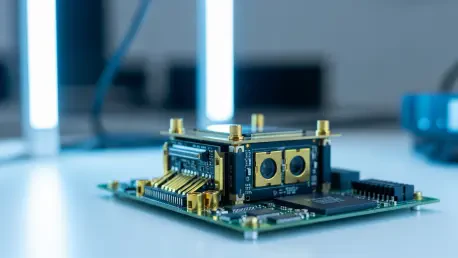
The core of the legal argument hinges on whether a loss of functional utility constitutes a physical loss under the terms of a comprehensive insurance policy. When the GEOStare sensors began providing degraded data, the operator argued that the equipment had suffered a tangible loss because it could no longer fulfill its primary mission objectives. This perspective suggests that in the realm of high-precision optics and space-based electronics, any deviation from specified operational parameters should be viewed as physical damage. However, Atlantic Specialty has maintained a stricter interpretation, asserting that unless there is visible, documented alteration to the hardware’s physical structure, the claim does not trigger the primary coverage clauses. This distinction is vital in 2026, as software-defined hardware and remote sensors often fail in ways that are not immediately apparent through traditional inspection methods. The case forces a reexamination of how physical damage is defined for assets that cannot be physically retrieved for a forensic analysis.
Proximate Cause and the Mechanical Breakdown Exclusion
Another significant hurdle in this fifty-eight million dollar dispute involves the mechanical breakdown exclusion, a common feature in specialty insurance contracts that often creates friction between insurers and policyholders. Atlantic Specialty argues that the sensor failure was an internal event, resulting from inherent defects or wear and tear rather than an external peril. In contrast, the claimant contends that the harsh environment of space, characterized by extreme thermal cycling and ionizing radiation, acts as an external force that directly caused the malfunction. Proving the proximate cause of a failure occurring hundreds of miles above the Earth’s surface requires an extraordinary level of technical data and expert testimony. The debate centers on whether the sensor’s decline was an inevitable mechanical expiration or a sudden, accidental event caused by the unique hazards of the orbital environment. This specific legal battle underscores the difficulty of applying terrestrial insurance concepts to the unpredictable and often hostile conditions found in modern aerospace operations.
Strategic Impacts on the Insurance Industry
Reevaluating Asset Protection in the Space Economy
The ongoing litigation between Atlantic Specialty and its client is already sending ripples through the broader insurance market, prompting a significant shift in how space-based assets are protected. In response to the complexities revealed by this fifty-eight million dollar claim, underwriters are moving away from broad “all-risk” policies toward more granular, peril-specific agreements. Throughout 2026, there has been a noticeable trend where insurers demand more comprehensive telemetry data as a prerequisite for coverage, ensuring that any future claims can be verified with high-fidelity digital evidence. This shift represents a transition toward a more data-centric approach to risk, where the burden of proof is increasingly placed on the operator to demonstrate that an external anomaly occurred. As the commercial space sector expands, the cost of premiums is expected to fluctuate based on the manufacturer’s historical reliability and the transparency of their satellite health monitoring systems. This environment rewards companies that invest in redundant diagnostic sensors and robust mission-management software.
Strengthening Contractual Clarity Through Technical Audits
One of the most profound outcomes of this legal challenge is the realization that technical documentation must be integrated more deeply into the initial underwriting process to avoid multi-year litigation. Many organizations have begun conducting exhaustive technical audits before a policy is even signed, seeking to align engineering definitions with legal terminology. By clearly defining what constitutes a “failure” and a “physical loss” within the context of specific sensor technologies, both parties can mitigate the risk of a fifty-eight million dollar misunderstanding. These audits often involve third-party experts who evaluate the resilience of the hardware against known environmental stressors, such as solar flares or micrometeoroid impacts. This proactive approach helps in establishing a baseline for normal operations, making it easier to identify when a covered peril has actually occurred. Furthermore, this trend encourages manufacturers to adopt open-architecture designs that allow for better post-failure analysis, providing a clearer path for insurance adjustments and reducing the likelihood of prolonged court battles over technicalities.
Implementation of Robust Risk Mitigation Frameworks
The resolution of these complex disputes necessitated a fundamental shift in how satellite operators and underwriters collaborated during the project lifecycle. It became clear that relying on vague or outdated policy language was no longer sufficient for managing fifty-eight million dollar assets operating in extreme conditions. Companies that succeeded in securing full coverage were those that integrated advanced diagnostic telemetry directly into their legal documentation, providing indisputable evidence of external anomalies. This approach moved the industry away from prolonged litigation and toward more efficient, data-driven settlements. Furthermore, insurers began offering modular policies that specifically addressed the gray area between mechanical degradation and environmental damage. By establishing these clear boundaries, the market achieved a level of stability that allowed for continued investment in critical orbital infrastructure. Stakeholders eventually adopted standardized definitions for orbital anomalies, which effectively reduced the burden of proof for manufacturers while protecting the financial solvency of the insurance providers involved.