
Simon Glairy is a recognized authority in the fields of insurance and Insurtech, with a specialized focus on risk management and the integration of AI-driven assessment tools. His expertise lies at the intersection of traditional financial security and the disruptive potential of blockchain technology. As global markets transition from experimental pilots to full-scale digital implementation, Glairy provides a steady hand in navigating the complexities of liquidity, compliance, and institutional-grade security. This discussion explores the fundamental re-engineering of how global value is exchanged, moving beyond the “blockchain tourism” of previous years toward a unified, tokenized architecture. We delve into how fractional ownership, security standards like ERC-1404 and ERC-3643, and the automation of ownership transfers are finally unlocking the value of historically stagnant assets.
How does the shift toward fractional digital tokens fundamentally change the way we approach traditionally stagnant markets like commercial real estate and private debt?
The historical burden of these markets has always been their inherent illiquidity, where massive, high-value assets were essentially locked behind high entry barriers and cumbersome paperwork. By converting ownership rights into fractional digital tokens, we are finally breaking these assets down into smaller, tradeable increments that invite a much broader pool of both retail and institutional investors to participate in previously gated markets. You can feel the friction vanishing as we move away from legacy systems toward digitally native distributed ledgers that provide a transparent, immutable audit trail for every single stakeholder involved. This transition isn’t just about speed; it’s about reducing administrative overhead and achieving faster settlement times while eliminating the manual reconciliation errors that have plagued the industry for decades.
In an era where regulatory compliance is non-negotiable, how do specific standards like ERC-1404 and ERC-3643 ensure that security is woven directly into the fabric of these digital assets?
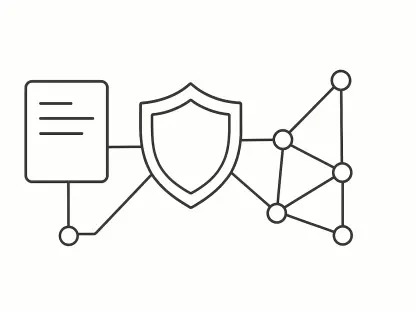
Regulatory compliance is the heartbeat of institutional adoption, and standards like ERC-1404 and ERC-3643 are the essential tools that allow us to embed transfer restrictions and investor permissions directly into the protocol’s code. By utilizing integrated KYC and AML tools, we automate identity verification during the onboarding process, ensuring that only verified, compliant investors can hold or trade these specific tokens regardless of the secondary market platform used. We also rely on institutional-grade security measures like MPC and HSM key management systems to safeguard custody, which removes the technical anxiety often associated with digital asset management. Audited smart contracts further mitigate risks by preventing single points of failure, creating a robust environment where compliance is proactive and deeply integrated into the asset’s lifecycle.
We see high-capital intensity industries like energy and natural resources moving toward full-scale implementation; what does this practical application look like for a firm trying to manage global value?
The “blockchain tourism” era is officially over, and we are now seeing industries like energy, real estate, and natural resources leveraging this infrastructure to access capital with unprecedented efficiency. Real estate firms are now using these tokens to streamline global property investments, effectively removing the geographic and bureaucratic hurdles that used to stall growth for months at a time. In the financial services sector, we see providers digitizing debt instruments for significantly better yield management, while the carbon credit market is finally finding a footing through verifiable and transparent environmental tracking. By creating an integrated framework that combines issuance, custody, and liquidity, these sectors are building a blueprint for a future where value flows as easily as information in a digitally native environment.
What is your forecast for the future of real-world asset adoption?
I see a world where the distinction between digital and traditional assets completely disappears as infrastructure readiness becomes the new standard for global finance. When heavyweights like JPMorgan move on-chain, it sends a clear signal that we are heading toward a unified digital architecture where every high-value asset—from a skyscraper to a private loan—is represented by a secure, compliant token. We will see a massive influx of capital as retail investors gain access to previously gated markets, fundamentally re-engineering the way global value is exchanged and secured across every border. This isn’t just a passing trend; it is the final maturation of the blockchain space into a utility that powers the very backbone of the entire global economy.