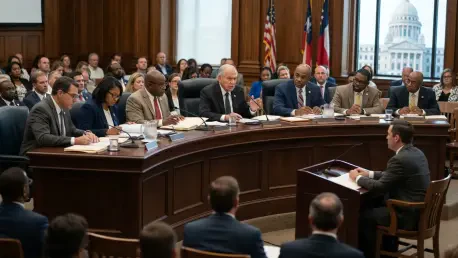

While ninety-seven percent of denied insurance claims are eventually paid upon appeal, the administrative cost of fighting these denials ranges from fifty-seven to eighty dollars per submission. This stark financial reality served as a foundational point of discussion during the Mississippi Senate Insurance Committee’s recent two-day hearing, which was designed to gather critical testimony before the upcoming 2027 legislative session. Lawmakers engaged with a wide variety of stakeholders, including healthcare providers, insurance carriers, and safety advocates, to understand the friction points within the state’s current regulatory framework. The overarching goal of these sessions was to identify actionable data and consensus-driven solutions that could improve operational efficiencies across several industries while simultaneously protecting the interests of the general public. By focusing on systemic issues rather than isolated complaints, the committee sought to create a roadmap for modernization that addresses both the economic health of providers and the physical safety of Mississippi residents.
The hearings emphasized that the current landscape of professional reimbursements and roadway safety requires a more nuanced approach than previous legislative attempts have offered. Witnesses provided a deep dive into the complexities of the insurance market, highlighting how administrative delays and regulatory gaps often lead to increased costs for consumers and providers alike. Throughout the proceedings, it became evident that the committee is prioritizing evidence-based policy changes, requesting specific metrics and impact analyses to support any proposed bills. This rigorous examination of facts is intended to ensure that any new laws passed in the 2027 session are robust enough to withstand the pressures of a rapidly changing economy and evolving medical standards. The diverse range of topics covered—from the nuances of vision care plans to the long-term sustainability of emergency medical services—demonstrates a comprehensive effort to revitalize state policies that have struggled to keep pace with modern technological and professional demands.
Confronting the Escalating Crisis: Distracted Driving and Roadway Safety
Public safety advocates brought forward alarming statistics regarding the state of driving habits on Mississippi’s highways, noting that motorists here are currently among the most distracted in the United States. According to data from AAA and Cambridge Mobile Telematics, Mississippi drivers spend roughly eight percent of their total time behind the wheel actively using or handling a smartphone. This behavior is not just a minor inconvenience but a lethal hazard, as phone motion data reveals that drivers in the state interact with their devices for over two minutes for every single hour spent on the road. This level of distraction is thirty-one percent higher than the national average, placing Mississippi at the very bottom of national safety rankings. The human cost is devastating, with distracted driving estimated to be a contributing factor in sixty percent of all traffic fatalities occurring across the state. Advocates emphasized that even a modest reduction in these behaviors, bringing the state in line with national averages, could save at least fifteen lives annually and prevent countless life-altering injuries.
To mitigate this crisis, the committee is evaluating the potential for strict “hands-free” legislation that would align Mississippi with safety standards already established in states like Ohio. Such a law would prohibit drivers from physically holding or propping up mobile devices while operating a vehicle, effectively banning the dangerous practices of recording video, streaming content, or engaging with social media and shopping apps while in motion. The proposed framework is carefully designed to allow for the use of hands-free technology, such as Bluetooth, headphones, and integrated vehicle infotainment systems, ensuring that connectivity is maintained without compromising safety. Furthermore, there is a strong movement to expand the current “Move Over” law to include all stranded motorists and vehicles parked for roadside emergencies, such as those suffering from flat tires. This expansion aims to reduce the frequency of secondary crashes, which currently claim two lives per month in Mississippi, by creating a safer buffer zone for everyone on the shoulder of the road.
Professional Reimbursement: Navigating Healthcare Economic Friction
The dialogue surrounding healthcare economics focused heavily on the need for fair compensation for clinical services that fall outside traditional billing models. Representatives from the Mississippi Pharmacy Association presented a compelling case for a new pharmacist care services payment bill, arguing that these professionals provide essential clinical work that currently goes uncompensated. This includes chronic disease management and detailed patient education on the use of complex medical devices like inhalers, services that other medical professionals are permitted to bill for but pharmacists are not. The proposal does not seek to expand the legal scope of what pharmacists can do, but rather to ensure they are paid for the vital healthcare contributions they are already making to their communities. Proponents pointed to successful models in Kentucky where such payments led to a negligible impact on insurance premiums, suggesting that the long-term health benefits for patients far outweigh the minor administrative costs involved in updating reimbursement structures.
Simultaneously, the optometry community voiced significant concerns regarding the current structure of vision insurance plans, which they compared to unregulated “Groupon-style” discounts that undermine professional autonomy. Dr. Steven Reed and other providers highlighted instances of “patient steering,” where insurance plans actively direct patients away from local independent optometrists toward preferred corporate retail outlets or specific labs. In some cases, patients reportedly received text messages from their insurance providers encouraging them to seek services elsewhere while they were physically sitting in their local doctor’s examination chair. Optometrists are advocating for legislation modeled after existing laws in Arkansas and Louisiana that would ban unfair audits and prohibit the use of mandatory virtual credit card fees that eat into provider margins. By protecting the ability of doctors to choose the best labs and materials for their patients without insurance interference, these reforms seek to preserve a high standard of vision care while fostering a more competitive and fair marketplace for local providers.
Administrative Burdens: Reforming the Claims Denial Process
The committee addressed the growing administrative friction between healthcare facilities and insurance carriers, specifically focusing on the increasing frequency of initial claim denials. Data presented during the hearings indicated that over forty percent of physicians have experienced a significant rise in claim denials since early 2022. While the vast majority of these denials are eventually resolved and paid after a lengthy appeal process, the financial burden of pursuing these claims rests entirely on the medical providers. Each appeal requires substantial staff time and resources, creating a drain on the operational stability of clinics and hospitals that are already facing tight margins. Healthcare leaders argued that this trend effectively allows insurance companies to hold onto funds longer, benefiting from the float while providers struggle to manage cash flow. The current “pay first, audit later” philosophy is seen as a necessary shift to ensure that medical facilities can remain focused on patient care rather than administrative warfare.
In addition to the denial rates, providers expressed frustration over the practices of “downcoding” and retroactive “clawbacks.” Downcoding occurs when an insurance company pays for a lower level of care than what was actually provided, often disregarding the clinical judgment of the treating physician. Clawbacks are even more disruptive, involving insurers reclaiming payments for services that were authorized and paid a year or more in prior periods. To combat these issues, the committee is exploring the implementation of interest and penalties on insurers for wrongful denials, which would serve as a financial deterrent against systematic non-payment. By establishing clearer guidelines and stronger enforcement mechanisms, the state could reduce the administrative overhead for healthcare providers, potentially leading to more stable healthcare costs for the public. This reform is viewed as essential for maintaining a healthy medical infrastructure where providers are compensated fairly and timely for the legitimate services they render to Mississippi citizens.
Essential Infrastructure: Sustaining Emergency Medical Services
The long-term viability of emergency medical services across Mississippi, particularly in rural and underserved areas, was highlighted as a critical legislative priority. While previous efforts through House Bill 1489 provided a temporary boost to reimbursement rates for ambulance services, these protections are scheduled to expire in early 2028. EMS directors testified that the increased funding has been a lifeline, allowing departments to remain competitive in a tight labor market by providing necessary salary increases for paramedics and emergency technicians. In DeSoto County, for instance, this funding supported a ten percent raise for personnel, which was instrumental in preventing a labor shortage that could have compromised emergency response times. Without a permanent solution or an extension of these enhanced reimbursement rates, there is a very real danger that many EMS providers will face insolvency, leading to the closure of stations and an increase in the time it takes for help to arrive during a crisis.
The debate over EMS sustainability involves balancing the need for adequate funding with the concerns of health insurance advocates regarding the potential for higher premiums. Organizations such as AHIP cautioned that unregulated or excessively high ambulance charges could result in increased costs for all policyholders, creating a complex policy challenge for the committee. Lawmakers are tasked with finding a middle ground that includes “balanced billing” protections, which prevent patients from being hit with massive, unexpected bills, while still ensuring that EMS agencies receive enough revenue to maintain their fleets and staff. The committee recognized that emergency response is a foundational public service, similar to police and fire departments, and that the financial instability of this sector poses a direct threat to public health. Finding a permanent funding mechanism is now seen as a race against time before the current temporary measures expire, necessitating a collaborative approach between insurers and emergency responders.
Modernizing the Labor Market: Benefits for the Independent Workforce
As the economy continues to shift toward more flexible work arrangements, the committee examined the unique challenges faced by the approximately 270,000 self-employed and gig workers in Mississippi. These individuals, who contribute over twelve billion dollars to the state economy, include a wide range of professionals from real estate agents and photographers to independent contractors in the construction and tech sectors. Currently, these workers often lack access to the traditional benefits associated with W2 employment, such as health insurance, retirement savings, and paid leave. The proposal for “portable benefits” seeks to address this gap by allowing workers to accumulate benefits that are tied to the individual rather than a specific employer. This model would enable workers to move between different contracts and projects without losing their coverage, providing much-needed stability in a modern labor market that values mobility and independence.
The legislative focus is on creating a “safe harbor” that would allow companies to contribute to these benefit funds for their independent contractors without the risk of those workers being legally reclassified as full-time employees. Current laws often make it risky for businesses to offer any form of support to contractors, which ultimately hurts the workers who need these protections. By implementing a framework similar to pilot programs seen in other states, Mississippi could lead the way in supporting the 1099 economy while maintaining the flexibility that attracts people to independent work in the first place. This approach not only benefits the workers themselves but also strengthens the overall state economy by creating a more resilient and protected workforce. The committee’s interest in this topic reflects a broader recognition that state labor and insurance laws must evolve to match the realities of how people earn a living in the current decade, ensuring that no segment of the workforce is left behind.
Strategic Directions for a Transformed Regulatory Landscape
The comprehensive hearings conducted by the Senate Insurance Committee established a clear mandate for legislative action as the 2027 session approached. Stakeholders across every sector demonstrated that while the state’s existing frameworks provided a foundation, they were increasingly ill-equipped to handle the complexities of modern medical billing, digital roadway hazards, and an evolving labor force. Lawmakers recognized that the path forward required a delicate balance between fiscal responsibility and the urgent need for safety and economic reforms. The testimony provided a vital repository of data, moving the conversation away from anecdotal evidence toward a more quantitative understanding of how administrative friction and outdated laws impacted the daily lives of Mississippians. By demanding specific metrics from pharmacists and insurers alike, the committee ensured that future policy decisions would be grounded in reality rather than political convenience.
The outcome of these sessions pointed toward a series of strategic next steps aimed at stabilizing the healthcare and emergency response infrastructure while modernizing public safety laws. It became evident that the status quo of high insurance denial rates and distracted driving fatalities was no longer acceptable to the public or the providers. The proposed “hands-free” regulations and the shift toward portable benefits for gig workers represented a forward-thinking approach to governance that embraced technological change rather than resisting it. As the legislative process moved forward, the focus remained on crafting bills that could provide long-term stability rather than temporary fixes. The commitment to addressing the sunsetting of EMS funding and the transparency of vision plans signaled a new era of proactive oversight. These efforts were positioned to create a more equitable and safer environment, ensuring that the state’s regulatory environment served the best interests of its citizens and the professionals who care for them.