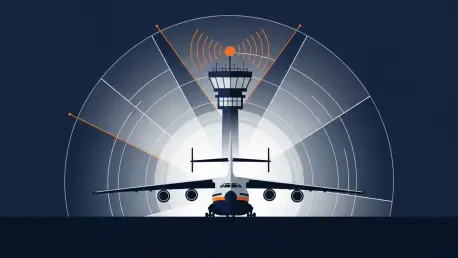

The silent discovery of a remote-controlled device packed with high explosives resting beneath the wing of a Ukrainian cargo giant at Leipzig/Halle Airport has fundamentally shattered the illusion that civilian logistical centers remain off-limits in modern geopolitical conflicts. This specific breach of the airfield perimeter, involving a drone carrying military-grade volatile material, serves as a grim harbinger for the aviation industry. It signals a shift from nuisance-level interference to targeted, lethal sabotage intended to cripple high-value assets.
The Tarmac Breach That Rewrote the Aviation Security Playbook
When the explosive-laden drone was discovered sitting silently next to a high-value Ukrainian Antonov freighter, it was not merely a local security lapse but a klaxon for a new era of peril. German officials quickly labeled the find a “new quality of danger,” especially as a second aircraft reported mysterious damage during the resulting emergency closure of the facility. This simultaneous set of events—one a confirmed assassination attempt on infrastructure and the other a suspicious mid-air impact—highlights a terrifying reality where civil aviation is no longer a neutral zone but a primary theater for deniable warfare.
Investigators noted that the timing of the discovery coincided with sensitive cargo operations, suggesting a deep level of insider knowledge or persistent surveillance. The incident forced an immediate re-evaluation of perimeter security protocols, as traditional fencing and radar systems proved insufficient against low-profile, small-scale aerial threats. Consequently, the breach has compelled airport operators across the continent to acknowledge that the traditional security playbook is obsolete in the face of such agile and lethal technology.
The Strategic Vulnerability of European Logistical Hubs
The Leipzig incident does not exist in a vacuum, but rather serves as a flashpoint in a broader trend of escalating interference across Europe. Following a foiled 2024 plot involving incendiary devices on DHL flights, it has become clear that logistical nerve centers are being methodically targeted to disrupt global supply chains. These “hybrid threats” occupy the murky space between common criminality and overt acts of war, making them particularly difficult to deter.
For the global community, the safety of the skies is now inextricably linked to the geopolitical friction stemming from the conflict in Ukraine, turning civilian airports into front-line assets. As hubs like Leipzig/Halle serve as critical conduits for both commercial goods and regional aid, their operational stability is paramount. The persistent targeting of these locations suggests an intent to create a climate of fear and economic instability that resonates far beyond the airfield boundaries.
Anatomy of a Hybrid Threat: Sabotage in the Gray Zone
The discovery of military-grade explosives like Semtex and PETN on the airport grounds signals a shift from amateur disruption to professional sabotage. These attacks are designed to be “signatureless,” lacking a clear, state-admitted perpetrator, which complicates the response from both law enforcement and national intelligence agencies. While some officials point toward external state actors, the lack of immediate, undeniable evidence forces authorities into a cautious investigative stance.
This deniability is the hallmark of modern hybrid warfare, where the goal is to create maximum disruption and psychological impact while staying just below the threshold of conventional military response. By utilizing commercially available drone technology enhanced with sophisticated payloads, attackers can achieve strategic objectives without the need for traditional military incursions. This evolution requires a shift in intelligence gathering toward identifying the small-scale supply chains that enable these signatureless strikes.
The Insurance Conundrum: Classifying Signatureless Attacks
For U.S.-based Managing General Agents and London-market reinsurers, the Leipzig incident presents a nightmare scenario for policy wording and risk assessment. The primary challenge lies in the legal classification of the event; if it is deemed an act of war, certain hull and cargo coverages may be voided, whereas a terrorism label triggers different protocols. The ambiguity inherent in hybrid warfare makes it difficult for underwriters to determine which triggers apply when no group claims responsibility.
Furthermore, the absence of physical damage in the drone discovery—despite the massive operational shutdown—makes business interruption claims nearly impossible to settle under current frameworks. Underwriters are now forced to rethink how to price risks for high-value assets that are vulnerable to disruption from actors who refuse to leave a return address. This uncertainty is leading to a tightening of terms and a demand for more specific language regarding gray-zone interference in cargo and aviation policies.
Mitigating Risk in an Era of Persistent Sabotage
Securing the future of aviation and logistics required a transition from passive security to an integrated defense framework that addressed both physical and legal vulnerabilities. Stakeholders prioritized the implementation of advanced counter-drone technology and real-time intelligence sharing between airport operators and national security agencies. These systems focused on detecting unauthorized signals and neutralizing potential threats long before they reached the sensitive tarmac areas.
Simultaneously, the insurance industry developed more robust legal definitions for hybrid acts to provide clarity for war-risk placements and cargo liability. By creating standardized response protocols for signatureless threats, the industry better protected the integrity of the global supply chain against increasingly sophisticated actors. This proactive stance ensured that even as the nature of the threat evolved, the commercial infrastructure remained resilient and legally covered against the unexpected.