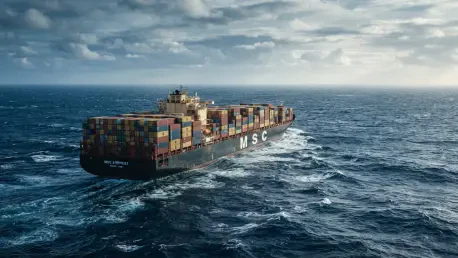

High-stakes maritime environments turn minor lapses in concentration, often caused by social isolation or stress, into catastrophic mechanical failures or groundings. Historically, the assessment of maritime risk was a technical and historical endeavor where Hull & Machinery underwriters prioritized physical assets, such as the age of the ship, the maintenance history of the engines, and the structural integrity of the hull. While management standards were acknowledged, they were usually reviewed through the narrow lens of past insurance claims and basic regulatory adherence. However, the industry is currently undergoing a significant transformation as the human element, long cited as a contributing factor in nearly eighty percent of maritime accidents, is finally being integrated into formal risk assessment frameworks. This shift signals that crew welfare is no longer viewed merely as a matter of corporate social responsibility; it is increasingly seen as a measurable operational risk that directly impacts the safety of the vessel and the financial exposure of the insurer. By formalizing the evaluation of factors like fatigue, mental health, and shipboard living conditions, the industry is beginning to bridge the long-standing gap between technical reliability and human performance in the global shipping fleet.
Standardizing the Human Element in Underwriting
The Introduction: Formalized Wellbeing Metrics
The recent adoption of the Crew Wellbeing Checklist by the International Union of Marine Insurance represents a fundamental departure from traditional underwriting practices. Instead of simply asking if a ship complies with the minimum standards of the Maritime Labour Convention, this tool probes deeper into the operational reality of life at sea to identify vulnerabilities that could lead to human error. Insurers are now recognizing that a crew member’s state of mind is just as critical to safe navigation as the vessel’s propulsion system. By transforming qualitative human factors into quantitative metrics, underwriters can better evaluate how a company’s management structure influences the likelihood of expensive maritime claims. This formalized approach encourages shipowners to look beyond basic compliance and consider how their internal culture directly affects their risk profile and insurance premiums.
Furthermore, these wellbeing metrics serve as a catalyst for a more transparent dialogue between the insurer and the insured. When underwriters examine the presence of anti-harassment policies, confidential reporting mechanisms, and post-incident support systems, they are evaluating the psychological resilience of the workforce. A shipowner who can demonstrate a proactive approach to mental health and psychological safety is increasingly viewed as a lower risk. This evolution in risk assessment reflects a broader understanding that a distressed or distracted crew is a significant liability. As these metrics become standard in the industry, the maritime sector is moving toward a future where human performance indicators are as essential to the valuation of a vessel as its physical surveys and maintenance records, creating a more holistic picture of operational risk.
Fatigue Management: Beyond Paper Compliance
Fatigue management stands as a primary focus within these new evaluation standards, specifically targeting the pervasive problem of paper compliance. For years, the maritime industry has struggled with records of rest that meet legal requirements on paper but do not reflect the actual workload of the crew during intense operational periods. Insurers are now employing more rigorous verification methods, asking for evidence that rest-hour logs are cross-referenced with objective data such as port call schedules, engine room logbooks, and AIS tracking. This move toward data-driven verification signals a growing skepticism toward self-reported figures and a demand for more honest assessments of crew readiness. By holding shipowners accountable for the reality of their manning levels and scheduling, the insurance industry is forcing a confrontation with the systemic causes of exhaustion at sea.
This shift in focus also acknowledges that chronic fatigue is a cumulative risk that cannot be mitigated by a single day of rest. Insurers are beginning to look at long-term trends in crew scheduling and the frequency of “back-to-back” contracts as indicators of potential burnout. When a crew is consistently pushed to the limits of their endurance, their cognitive functions decline, leading to delayed reaction times and impaired judgment during critical maneuvers. By integrating these observations into the underwriting process, the industry is establishing a clear link between labor practices and the frequency of collisions and groundings. This comprehensive view of fatigue management encourages a shift from reactive measures to proactive staffing strategies, ensuring that the human component of the ship’s machinery remains functional and reliable throughout the duration of a voyage.
Bridging the Gap Between Policy and Reality
The Discrepancy: Reconciling Shore-Side Reports and Shipboard Life
A recurring challenge in making crew welfare a measurable risk is the stark contrast between what is written in a company’s policy manual and what seafarers actually experience. This reality gap remains a significant hurdle for insurers trying to obtain an accurate risk profile of a fleet. While a shipping company might present a perfect record of compliance and a robust suite of welfare policies, independent data often reveals a much lower index of actual wellbeing among the crew members themselves. This discrepancy suggests that providing the basic requirements—such as food, water, and internet access—is only the first step; the quality, accessibility, and consistency of these provisions are what truly define the operational health of the environment on board.
The limitation of current insurance assessments often lies in their reliance on data provided by land-based personnel, such as brokers or technical managers, who may be disconnected from the daily challenges faced by the crew. Without direct, anonymous feedback from the seafarers, insurers remain unaware of critical issues like slow internet connectivity that prevents family communication or cultural friction that erodes social cohesion. To move toward a truly accurate assessment of risk, the industry must find ways to integrate the lived experience of the crew into the underwriting process. This involves developing more sophisticated feedback loops and utilizing third-party surveys that can provide an unfiltered view of shipboard life, allowing insurers to identify systemic risks that might otherwise be hidden behind a facade of documented compliance.
Living Conditions: Essential Operational Safeguards
In the current landscape of maritime insurance, everyday living conditions are increasingly recognized as essential operational safeguards rather than optional perks. Factors such as the quality of nutrition, the reliability of satellite communication, and the availability of shore leave are directly linked to the cognitive performance and morale of the crew. When these basic needs are neglected, the resulting stress and isolation lead to a decline in vigilance. A seafarer who is worried about a family crisis back home or who is suffering from poor nutrition is significantly more likely to commit a fatal error on the bridge or in the engine room. Consequently, the insurance industry is beginning to view the galley and the crew cabins as critical components of the vessel’s safety infrastructure.
By broadening the definition of the operational environment, IUMI and other industry bodies are acknowledging that a shipowner’s investment in crew comfort is a strategic risk mitigation effort. A ship that offers robust internet connectivity and high-quality meals is likely to have a more focused and stable workforce, which in turn reduces the probability of major accidents. This broader understanding of risk suggests that the technical reliability of a ship cannot be isolated from the human environment in which it operates. As insurers continue to gather data on how these environmental factors correlate with claim frequency, the maritime industry will likely see a shift in how operational budgets are allocated, with a greater emphasis placed on maintaining a healthy and connected living environment for all personnel on board.
The Economic Integration of Welfare Data
The Challenge: Quantifying Welfare in Insurance Pricing
While there is a clear consensus that improved crew welfare leads to safer ship operations, the task of reflecting this in insurance premiums remains mathematically complex. Marine insurance is a data-driven business that relies on historical evidence to predict future losses, and underwriters are often hesitant to offer discounts without a direct statistical link between specific welfare initiatives and a reduction in claims. The difficulty lies in isolating the impact of welfare from other management factors. For example, a company that prioritizes seafarer wellbeing is often a high-quality operator that also excels in technical maintenance and crew training. Determining exactly how much of a reduction in claims is due specifically to welfare programs versus general operational excellence is a major actuarial hurdle.
Currently, tools like the wellbeing checklist serve more as a qualitative framework for dialogue rather than a fixed pricing formula. They allow underwriters to engage in deeper, more informed conversations with shipowners about their human-element risks and encourage a culture of transparency. However, as the industry continues to collect more granular data over the coming years, a clearer picture of causality may emerge. If a statistical correlation can be proven between high wellbeing scores and lower incident rates, the industry will be able to develop more sophisticated pricing models that reward shipowners for their human-centric investments. Until then, welfare remains a vital but largely qualitative factor that influences an underwriter’s perception of risk and the overall terms of a policy.
Leadership: Breaking Management Silos for Safety
The shift toward measuring crew welfare places a new burden on maritime leadership to demonstrate that their policies are producing a demonstrably safer working environment. It is no longer sufficient for executive management to delegate welfare concerns solely to the human resources or crewing departments while the safety and insurance teams work in isolation. Effective risk management in the modern era requires a cross-functional approach where manning levels, voyage scheduling, and commercial pressures are all evaluated for their impact on human performance. If a ship is consistently undermanned or given unrealistic schedules, no amount of wellness initiatives or training programs will prevent the onset of fatigue and the associated risks.
True leadership in this environment involves using crew feedback to drive actual operational changes rather than just collecting data for the sake of appearances. By integrating welfare indicators with existing safety metrics—such as near-miss reports, incident frequency, and crew retention rates—companies can build a more comprehensive picture of their operational health. This holistic view allows leadership to identify systemic risks before they result in catastrophic accidents. Moving forward, the most successful maritime organizations will be those that treat seafarer wellbeing as a core business function, ensuring that the human component of their operations is given the same level of strategic attention and investment as the technical and financial aspects of the business.
Navigating the Path Toward Resilient Operations
The introduction of standardized wellbeing metrics marked a significant milestone in the maritime industry’s journey toward a more sophisticated understanding of risk. This analysis demonstrated that the human element is no longer an intangible factor but a measurable component of operational safety that directly influences financial outcomes. Stakeholders across the industry recognized that the traditional focus on physical assets was insufficient for modern risk management, especially as the complexity of shipboard operations continued to increase. By treating seafarers as the critical safety systems they were, the industry began to reduce both the human and financial costs of maritime accidents, fostering a more sustainable and resilient global trade network.
Moving forward, the primary goal for shipowners and insurers must be the continued refinement of data collection and the reconciliation of shipboard reality with shore-side policy. The industry should focus on implementing direct, anonymous feedback loops that provide a genuine look into crew conditions while investing in technologies that support mental health and connectivity. As the link between welfare indicators and claim frequency becomes more statistically robust, the potential for performance-based insurance pricing will likely increase. Ultimately, the successful integration of crew welfare into risk frameworks proved that the wellbeing of the seafarer was not just a moral obligation but a fundamental pillar of a ship’s safety and long-term mechanical integrity.