
Modern insurance distribution requires a seamless transition between automated data gathering and the nuanced judgment provided by experienced human advisors in high-risk coastal markets. Currently, the American homeowners’ insurance landscape is navigating a profound period of disruption, where traditional risk assessment methods are frequently outperformed by the speed of environmental and economic change. Property owners and insurers alike find that old ways of doing business—relying on static spreadsheets and infrequent inspections—no longer suffice in a world where construction costs can spike overnight. The industry is witnessing a pivot toward platforms that can ingest vast quantities of satellite imagery and local building data in seconds. This technical leap is not about replacing people with algorithms; it is about creating a robust ecosystem where data-driven insights empower professionals to make accurate decisions. By synthesizing these elements, the sector is building a more resilient foundation to withstand both literal and financial storms.
Navigating the Modern Insurance Landscape
Assessing Structural Pressures in the Current Market
Current challenges in the property insurance sector stem from a convergence of structural pressures that fall outside the immediate control of digital solutions. For several years leading into 2026, the increasing frequency and severity of atmospheric rivers, hurricanes, and wildfires have fundamentally altered the baseline for risk modeling. These environmental factors are compounded by persistent economic inflation, which has pushed the prices of construction materials and specialized labor to historic heights. Consequently, many homeowners now face a significant risk of being underinsured, as the replacement value of their dwellings has surged far beyond the limits established in their current policies. Insurers must now account for these variables with greater precision, recognizing that a standard policy written just a few years ago may no longer provide adequate protection. This environment demands a more sophisticated approach to valuation, ensuring that policyholders are not left with a massive financial gap.
Overcoming Operational Friction in Traditional Models
Beyond external macroeconomic factors, internal hurdles characterized by operational friction continue to plague many traditional insurance brokerages. Despite living in a hyper-connected age, much of the insurance distribution process remains manual, involving repetitive data entry and cumbersome verification steps. This legacy approach often requires brokers to jump between multiple carrier portals to gather property characteristics, leading to a fragmented user experience and significant delays in securing coverage. Such inefficiencies do more than just frustrate the consumer; they prevent insurance providers from responding with the agility required by the modern market. When information is siloed within outdated systems, the ability to provide real-time updates or adjust to new underwriting guidelines is severely compromised. Addressing this friction is essential for any firm looking to survive the current transition toward a fully integrated digital economy. By removing these bottlenecks, the industry can redirect its focus toward strategic advisory.
The Technological Evolution of Property Protection
Harnessing AI as a Tool for Economic Optimization
Artificial intelligence is now being deployed as a primary tool for economic optimization, effectively streamlining the entire workflow from initial quoting to final policy binding. By connecting disparate data points through advanced application programming interfaces, insurance platforms can now move information seamlessly between stages without the need for manual intervention on routine tasks. This level of automation addresses the repetitive administrative work that historically limited the productivity of agents and brokers. AI models can quickly analyze property data, verify carrier eligibility, and identify potential underwriting red flags before a human even reviews the file. This shift allows the technical infrastructure to handle the heavy lifting of data processing, ensuring that every submission is accurate and comprehensive. As these technologies become more refined, they provide a level of speed and precision that was previously impossible, allowing for a more responsive and cost-effective distribution model for homeowners.
Scaling Operations Through Unified Digital Infrastructure
A unified digital infrastructure provides the necessary framework for sustainable scalability within the property insurance industry. By adopting a centralized platform, large brokerages can acquire and integrate smaller, traditional agencies without the typical growing pains associated with legacy mergers. This technological cohesion eliminates the administrative silos that often hinder productivity, as all agents operate within the same data-rich environment. Such an approach ensures that as a business expands its footprint, the quality and transparency of its service remain consistent across different regions. Scalability is no longer just about hiring more staff; it is about leveraging a system that can handle an increasing volume of policies with the same level of care and detail. This connected technology platform allows for more streamlined oversight of compliance and underwriting standards, which is critical during periods of rapid growth. By focusing on a unified tech stack, firms achieve significant economies of scale.
The Human Side of Innovation: Integrating Judgment and Advisory
Merging Algorithmic Speed With Nuanced Human Expertise
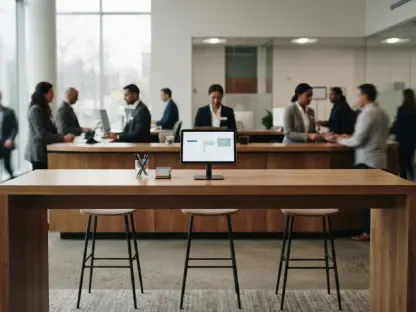
While technology provides the engine for speed and data processing, the complexities of high-risk coastal property insurance still necessitate a nuanced human touch. Expert interpretation is often required to navigate localized building codes, specific roof requirements, and the fluctuating appetite of different insurance carriers. A hybrid model creates an environment where the transition from a digital interface to a personal consultation feels entirely seamless for the homeowner. When a customer reaches out to an advisor, that professional already has access to all the pre-populated data and AI-generated insights, allowing the conversation to focus on judgment rather than basic information gathering. This synthesis ensures that the human expert can provide empathy and tailored advice for complex decisions that an algorithm might oversimplify. In high-stakes markets where a single oversight can lead to financial ruin, the combination of professional experience and technical precision remains the gold standard.
Redefining Financial Transparency Through Collaborative Insights
Transparency in insurance remains a critical area where human expertise and advanced technology work in tandem to clarify financial realities for the public. As the industry progressed through 2026, many policyholders realized that focusing exclusively on annual premiums was a mistake, as it often masked the potential out-of-pocket costs associated with high hurricane deductibles or specific exclusions. For instance, a two percent deductible on a half-million-dollar home resulted in a ten-thousand-dollar expense that many families were unprepared to cover until an advisor explained the risk. Technology facilitated these complex comparisons by highlighting differences in coverage terms, but human guidance was essential to interpret how these variables would perform during a claim. Actionable steps involved adopting integrated platforms that visualize financial scenarios, allowing for meaningful discussions about risk tolerance. These solutions ensured that final policy choices were based on long-term resilience rather than just price.