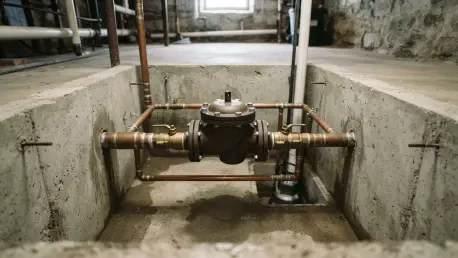

Sewer backup coverage remains an optional addition to standard policies, leaving many unprotected unless they specifically secure this endorsement before water damage occurs. This critical gap in coverage highlights a broader issue of climate literacy that homeowners must address as atmospheric rivers become a recurring threat across British Columbia. While the rhythm of the seasons has traditionally offered some predictability, recent weather patterns suggest a heightened volatility that demands immediate attention to property resilience. Many residents remain unaware that basic insurance packages typically exclude the most devastating forms of water damage, such as overland flooding from rising rivers or storm surges along the coast. Consequently, the burden of protection falls squarely on the shoulders of the individual, who must balance structural improvements with administrative foresight. This dual approach involves both the hardening of the physical building and a thorough audit of existing insurance riders to ensure that the financial safety net is present when it is most needed.
1. Implementing Structural Maintenance and Water Diversion Techniques
Effective property protection begins with the diligent maintenance of existing drainage systems to ensure that water has a clear path away from the building’s foundation. The Insurance Bureau of Canada emphasizes that keeping interior floor drains and street-level sewer grates free of debris is a fundamental step that can prevent localized pooling and basement flooding. Furthermore, the installation of a backwater valve serves as a mechanical sentinel, preventing sewage from reversing into the home during periods of extreme municipal system strain. Beyond the drains, homeowners should prioritize the cleaning of gutters and downspouts, especially during the fall when falling leaves can cause significant obstructions. When these systems are clear, water is successfully channeled through window wells and discharge points that lead far from the structure. Ensuring that the grading of the landscape slopes away from the foundation further reinforces this defensive perimeter against the ingress of moisture.
In addition to exterior maintenance, interior preparation plays a pivotal role in minimizing the total loss experienced during a major flood event. Relocating high-value items, such as electronics, heirlooms, and critical documents, from the basement to upper floors can save thousands of dollars in potential claims and irreplaceable personal history. If the residence utilizes a sump pump, it is imperative to verify its operational status and ensure it is equipped with a functional emergency power backup, such as a battery or generator, to maintain utility during outages. For those living in areas where flooding is imminent, the deployment of physical obstructions like sandbags or specialized flood shields can provide a necessary barrier against rising waters at low-level entry points. Simultaneously, assembling a comprehensive survival kit containing clean water, food, and medications ensures that the household is prepared for sudden evacuations or the loss of basic utilities during storms. This level of readiness provides a crucial buffer during the early hours of a disaster.
2. Distinguishing Between Standard and Optional Insurance Endorsements
Understanding the specific nuances of insurance coverage is essential for any resident in a high-risk zone, as standard policies often have narrow definitions for water-related events. While wind damage and resulting leaks from flying debris are typically included, the more destructive overland flooding caused by overflowing rivers usually requires a separate, optional rider. In many cases, these specific endorsements may be limited or entirely unavailable for properties located in known floodplains or areas with high hydraulic hazards. It is a common misconception that all water damage is treated equally; however, the distinction between a burst pipe and a rising river is legally significant in the eyes of an insurer. Residents must take the initiative to consult with their representatives to clarify exactly what types of water ingress are covered under their current agreements. Without this clarity, a homeowner might find themselves personally responsible for the astronomical costs associated with structural drying and system replacement.
Beyond the immediate physical damage to the structure, insurance policies often include provisions that help manage the secondary financial shocks following a storm. For instance, if a home becomes uninhabitable due to insured damage, many policies offer Additional Living Expenses to cover the costs of temporary relocation, including hotel stays and meal expenses. This provides a vital lifeline for families displaced by rising waters or severe structural issues. It is also important to note that while interior damage from a leaking roof is often covered, the actual repair of the roof itself might be denied if the damage resulted from long-term neglect or age rather than a specific storm event. Consequently, maintaining the integrity of the roof and exterior siding is as much a financial strategy as it is a physical one. By ensuring that the home is in good repair, owners can more easily prove that any sudden damage was the direct result of a weather event rather than a pre-existing maintenance failure.
3. Executing a Methodical Claims Process and Building Long-Term Resilience
Once the immediate danger passes and it is safe to return to the property, the focus must shift toward a meticulous and organized insurance claims process. The first step involves a comprehensive recording of the destruction through high-resolution photographs and videos taken from multiple angles to provide a clear narrative of the loss. Contacting the insurance agent or the company’s claims department immediately is crucial for triggering the professional assessment phase and securing initial guidance on remediation. Policyholders are advised to avoid discarding any damaged items, even those that seem beyond repair, as these objects often serve as vital evidence for the adjuster. If an item poses a significant health risk, such as mold-infested organic material, it should be photographed extensively before being disposed of safely. Maintaining a detailed log of all interactions with insurance representatives, including dates, names, and specific instructions received, ensures that no details are lost.
The recovery phase for commercial entities was specifically defined by how well they managed business interruption coverage to bridge the gap during forced closures. It was found that business owners who consulted with their representatives annually to adjust coverage levels were far better equipped to handle the financial strain of environmental volatility. These entrepreneurs realized that physical damage to a neighboring property could be just as disruptive as damage to their own site, triggering insurance provisions that saved their operations. Ultimately, the transition from vulnerability to resilience was achieved through a disciplined adherence to maintenance schedules and a thorough understanding of the insurance landscape. Those who succeeded ensured that every floor drain remained clear and that backwater valves were functioning correctly before the rains arrived. This historical commitment to preparation provided a definitive roadmap for protecting properties from the unpredictable and severe forces of nature.