
Introduction
The rapid acceleration of machine learning integration has forced many organizations to confront the uncomfortable reality that speed often comes at the expense of human oversight and ethical rigor. As 2026 progresses, the professional conversation has moved away from whether automation is possible toward how it can be governed to ensure it remains a reliable asset rather than a liability. The primary objective of this discussion is to explore the strategies that allow businesses to harness the immense power of algorithmic processing while keeping expert judgment at the core of operations. By investigating the methodology of integration, this article provides guidance for maintaining the essential balance between technological velocity and individual responsibility.
The scope of this content focuses on identifying operational bottlenecks, the preservation of professional accountability, and the cultivation of an innovative internal culture. Readers can expect to learn why a technology-first approach often fails and how a focus on human friction leads to more sustainable outcomes. This narrative seeks to dismantle the myth that efficiency and accountability are mutually exclusive, proposing instead that they are deeply interdependent components of a modern, resilient business model. Through a series of focused inquiries, the text illuminates the path toward a future where technology enhances rather than replaces human intellect.
Key Questions or Key Topics Section
How Does a Friction-First Strategy Enhance the Adoption of AI?
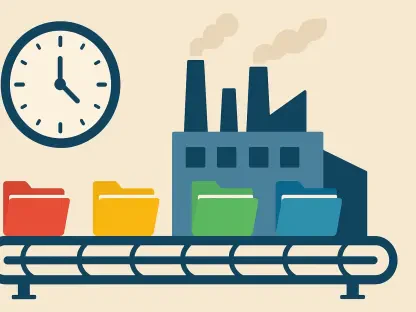
Many organizations fall into the trap of implementing new technology simply because it is available, rather than identifying where it is actually needed. This technology-first mindset often leads to bloated systems that do not address the core challenges faced by employees on a daily basis. Instead of looking for the most advanced tool, leaders should start by examining the points of friction within their current workflows. These are the repetitive, manual, and low-judgment tasks that drain employee energy and slow down the entire production cycle.
By focusing on these specific bottlenecks, AI can be applied as a precise solution to clear the clutter. For example, in the insurance sector, the process of quoting high-value property risks historically required several days of manual data entry and rating reviews. When automation is applied specifically to these intake tasks, the turnaround time is reduced from nearly a week to less than twenty-four hours. This does not just represent a gain in speed; it represents the removal of a significant barrier that previously prevented the organization from operating at its full potential.
Furthermore, this approach ensures that the resulting tools are highly relevant to the actual work being performed. When a system is designed to solve a known problem, the workforce is much more likely to embrace it. The efficiency gained is not an abstract metric but a tangible improvement in the daily lives of professionals. This targeted application of technology creates a foundation for success by proving the value of automation through the immediate relief of operational stress.
Why Must Human Accountability Remain the Ultimate Guardrail in Automated Processes?
As machine learning systems become more sophisticated, there is a growing risk that organizations will inadvertently decouple human responsibility from business outcomes. This “accountability gap” occurs when decision-making is delegated to algorithms without sufficient oversight, leading to potential errors or ethical lapses. While these systems can process data at an unprecedented scale, they lack the context, experience, and moral nuance that define professional judgment. Relying solely on automated outputs without a human check can lead to “hallucinations” or biased results that damage organizational credibility.
To prevent this, the most effective models utilize a “human-in-the-loop” structure where the technology serves as a support mechanism rather than a final decision-maker. In high-stakes environments like underwriting or legal review, AI can be used to compare information against complex guidelines and highlight potential risks. However, the final determination and the legal responsibility for that decision must remain with the professional expert. This ensures that every outcome is vetted by a person who understands the broader implications and can stand behind the result.
This structure also addresses the underlying anxiety that many professionals feel regarding the automation of their roles. When AI is positioned as a tool that handles the mundane, it empowers experts to focus on the meaningful. By reinforcing the idea that the human is the ultimate arbiter, the organization preserves its professional integrity. This balanced relationship ensures that even as the system moves faster, it never moves beyond the reach of human ethical standards.
How Does Reclaimed Time From Manual Tasks Foster Professional Creativity?
The ultimate return on investment for any automation project should not be measured merely by time saved, but by the value created with the time that is returned to the workforce. When employees are freed from the drudgery of data scrubbing, manual intake, and routine documentation, they gain the cognitive space necessary for higher-level problem solving. The shift from being a manual processor to a creative strategist is one of the most significant benefits of successful technological integration. This transition allows professionals to engage in the type of work that machines cannot replicate, such as relationship building and innovation.
In practice, this reclaimed time allows teams to explore more sophisticated products and proactive risk identification. Instead of spending hours on a single standard account, an underwriter might use that time to develop a new solution for a complex client or to analyze emerging market trends. The organization benefits from a more engaged workforce that is focused on growth and differentiation rather than just maintenance. This shift in focus is what ultimately drives a business forward in a competitive landscape where speed is a baseline requirement but creativity is a differentiator.
Moreover, this redistribution of effort leads to a more proactive business model. Rather than reacting to the influx of data, professionals can use the insights provided by AI to anticipate client needs and market shifts. The result is a more dynamic environment where innovation becomes a continuous process rather than an occasional event. By valuing the creative potential of its people, the organization ensures that it remains relevant and adaptable in an increasingly automated world.
What is the Significance of Empowering AI Champions Within the Workforce?
Top-down mandates for technological change often meet with resistance because they do not account for the granular reality of daily operations. To ensure that AI tools are effective and adopted, innovation must be driven from the bottom up by those who are closest to the work. These individuals, often referred to as “AI Champions,” are employees characterized by their curiosity and deep practical knowledge of existing workflows. They serve as the bridge between high-level executive vision and the practical application of technology on the front lines.
These champions are instrumental in identifying which tasks are truly ripe for automation and which require a more nuanced human touch. Because they understand the day-to-day pain points, they can guide the development of tools that actually solve problems rather than creating new ones. Involving these employees in the implementation process also fosters a sense of agency and ownership across the organization. When the workforce sees that their colleagues are helping to shape the future of their roles, the fear of displacement is replaced by a sense of empowerment.
Furthermore, this model ensures that the technology is fit for purpose and continuously improved. AI Champions act as an internal feedback loop, identifying when a tool needs recalibration or when a new opportunity for efficiency arises. This grassroots approach to innovation makes the transition to new systems smoother and more sustainable. By decentralizing the responsibility for technological growth, the organization builds a culture of continuous learning and adaptation.
What Infrastructure is Necessary to Build Long-Term Trust in Automated Systems?
Building trust in automated systems requires an infrastructure that goes beyond software and hardware to include transparency, regulation, and constant evaluation. For employees, partners, and customers to rely on AI-driven outcomes, they must have confidence that the system is operating within a framework of safety and ethics. This involves a commitment to data protection and a rigorous adherence to evolving regulatory standards. An “AI-ready” infrastructure is one that is designed to be questioned and audited rather than accepted as an infallible source of truth.
A culture of skepticism is actually a prerequisite for trust. Employees should be encouraged to flag outputs that seem incorrect or inconsistent with their professional experience. This oversight prevents the normalization of errors and ensures that the system remains aligned with organizational goals. Regular performance reviews of the technology are essential, as a tool that functions perfectly today may require updates in six months to remain accurate. This process of constant maintenance and human validation is what keeps the system grounded in reality.
Transparency with external stakeholders is equally important. Brokers, regulators, and customers need to understand how technology is being used to handle their data and influence their outcomes. Clear communication regarding the role of human oversight helps to mitigate concerns about “black box” algorithms. When trust is established through technical rigor and ethical transparency, the organization can leverage its efficiency gains more effectively. This solid foundation of trust is what allows a business to scale its operations while maintaining its reputation for reliability.
Summary or Recap
Maintaining accountability in an era of rapid automation requires a deliberate strategy that prioritizes people and processes over the technology itself. The identification of operational friction serves as the most effective starting point for any integration, ensuring that AI addresses real-world bottlenecks rather than abstract goals. Efficiency is significantly enhanced when mundane tasks are automated, but the ultimate success of these initiatives depends on keeping human judgment as the final guardrail. This “human-in-the-loop” model protects the organization from the accountability gap and ensures that professional standards are upheld regardless of processing speed.
The true value of reclaimed time is found in the spark of professional creativity and the ability of the workforce to focus on high-value, strategic work. By empowering internal AI Champions, leadership ensures that innovation is practical, bottom-up, and widely accepted by the workforce. Finally, a robust infrastructure rooted in transparency and constant oversight provides the trust necessary for long-term sustainability. These key takeaways reinforce the idea that artificial intelligence is a catalyst for professional growth, allowing experts to perform at a higher level by removing the manual clutter that previously hindered their potential.
Conclusion or Final Thoughts
The exploration identified that success was not found in the tools alone, but in the people who guided them. Leadership recognized that accountability could not be outsourced to a machine, no matter how sophisticated the algorithm appeared. By focusing on friction and fostering a culture of internal experts, organizations discovered that they could move faster without losing their professional compass. These findings provided a clear direction for those who sought to master the intersection of human wisdom and digital speed.
Moving forward, the focus must remain on the symbiotic relationship between technology and the professional expert. The next steps for any organization involved evaluating current workflows to pinpoint where human intellect was being underutilized due to manual burdens. As systems continue to evolve, the necessity for a skeptical and informed workforce will only increase. By maintaining a commitment to oversight and ethical transparency, the industry ensured that efficiency gains did not come at the cost of its foundational integrity. The future of professional services was shaped by this balance, proving that the most efficient organizations were also the most accountable.