
State-mandated statutory deadlines govern how quickly an insurance provider must acknowledge a claim and issue a coverage determination. This regulatory framework ensures that property owners are not left in a state of perpetual uncertainty following a catastrophic weather event. In the current landscape of 2026, climate volatility has necessitated more robust consumer protections, as homeowners face increasingly complex recovery paths. Understanding the nuances of a policy is no longer just a recommendation but a vital survival skill in the modern economy. When wind, hail, or flooding strikes, the immediate aftermath is often a blur of adrenaline and anxiety, yet the financial outcome of these events is largely determined by the precision of the administrative steps taken in the first few hours and days. A well-prepared policyholder who understands the mechanical functions of the claims lifecycle can effectively bridge the gap between a devastating loss and a fully restored property. The burden of proof typically lies with the insured party, meaning that transparency and proactive documentation are the cornerstones of a successful settlement. Insurance companies operate on strict internal protocols, and matching that level of organization is the most effective way to ensure that a claim is processed without unnecessary friction or denials.
1. Confirm Your Safety First
In the immediate wake of a severe weather event, the instinct to inspect the damage often outweighs the necessity of cautious behavior. However, the first priority must always be the physical safety of the occupants and any individuals present on the site. Storms frequently leave behind hidden hazards that are not immediately visible to the untrained eye, such as compromised electrical systems or weakened structural supports. It is essential to conduct a preliminary safety check by looking for downed power lines, smelling for gas leaks, and observing the stability of trees or large limbs that may have been partially uprooted. If any life-threatening conditions are identified, emergency services should be contacted immediately, and the premises should be evacuated until a professional declares the area secure. Rushing into a damaged building to save personal belongings can lead to secondary injuries that complicate an already stressful situation, making a deliberate and patient approach the only logical course of action during the initial recovery phase.
Beyond the immediate physical threats, property owners must be aware of the long-term health risks associated with storm damage. For instance, standing water in a basement or crawlspace can quickly lead to the growth of hazardous mold or harbor pathogens if the flooding involved sewer backup. In 2026, building safety standards have become more stringent regarding environmental contaminants, and ignoring these risks can lead to significant liability issues or future health complications. Before attempting to enter a flooded or heavily damaged zone, ensure that the main power supply and gas lines are shut off if there is any suspicion of a leak or electrical short. Wear protective gear, including heavy-duty gloves and thick-soled boots, to guard against broken glass, exposed nails, and other debris. Once the environment is deemed stable and the immediate threat to life and limb has passed, the focus can transition from crisis management to the administrative and logistical requirements of the insurance restoration process.
2. Record All Damage Thoroughly
Documentation is the most critical element of a successful insurance claim, serving as the evidentiary foundation for the eventual settlement. Before any cleanup efforts begin or debris is hauled away, property owners should utilize high-resolution digital cameras or smartphones to capture a comprehensive visual record of the destruction. It is highly recommended to take both wide-angle shots that show the overall context of the damage and macro-level close-ups that highlight specific points of failure, such as dented shingles, cracked siding, or shattered window panes. High-quality 4K video can also provide a narrative walkthrough of the property, allowing adjusters to see the spatial relationship between different areas of damage. In the current year, many insurance companies utilize artificial intelligence to analyze photos, making it even more important to provide clear, well-lit images that leave no room for ambiguity regarding the severity or cause of the loss.
In addition to visual media, maintaining a written inventory of damaged personal property is essential for a complete recovery. This list should include descriptions of the items, their approximate age, original purchase price, and current replacement value whenever possible. If receipts, manuals, or original packaging are available, they should be photographed alongside the damaged items to verify ownership and value. This level of detail is particularly important for high-value electronics, appliances, and furniture, which may be subject to depreciation schedules within the policy language. For structural damage, noting the direction of the wind or the specific timing of the hail can help sync the claim with local meteorological data, further substantiating that the damage occurred during the specific covered event. By creating an exhaustive digital archive of the loss, the policyholder effectively shifts the narrative from a subjective estimation to a fact-based assessment that is much harder for an insurance carrier to dispute or minimize during the settlement negotiations.
3. Stop Additional Harm From Occurring
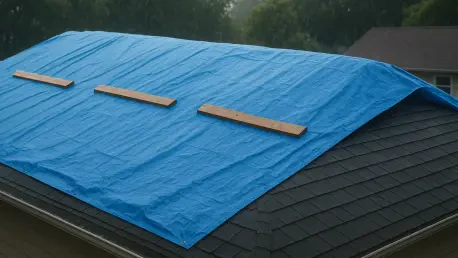
Most standard insurance policies include a “mitigation of loss” clause, which legally obligates the policyholder to take reasonable steps to prevent further damage after an initial loss. This means that if a storm creates a hole in the roof, the homeowner is expected to cover it with a tarp to prevent subsequent rain from destroying the interior of the house. Failure to perform these temporary repairs can result in the denial of coverage for any secondary damage that occurs after the initial event. Common mitigation tasks include boarding up broken windows to prevent theft or further weather exposure, removing standing water to mitigate mold growth, and shutting off water mains if pipes have burst. While these actions are temporary, they are crucial for preserving the integrity of the remaining structure and demonstrating to the insurance carrier that the policyholder is acting in good faith to limit the financial impact of the storm.
While mitigation is required, it is important to distinguish between temporary emergency repairs and permanent restoration. Property owners should avoid committing to any permanent structural changes or expensive rebuilds until an official insurance adjuster has had the opportunity to inspect the original damage. Furthermore, all costs associated with these emergency measures should be meticulously tracked, as they are typically reimbursable under the “reasonable and necessary” expense category of the claim. Keep all receipts for materials such as plywood, tarps, and cleaning supplies, as well as invoices from professional mitigation companies if specialized services like industrial drying or tree removal were required. By balancing the need for immediate protection with the requirement for professional inspection, the policyholder ensures that the claim remains valid while preventing a manageable situation from spiraling into a total loss due to environmental exposure or structural collapse.
4. File the Claim Without Delay
Prompt notification is a fundamental requirement in nearly all insurance contracts, and delays in reporting can lead to complications or even a complete forfeiture of benefits. As soon as the damage is stabilized and documented, the property owner should contact the insurance provider to initiate the formal claim process. Modern technology in 2026 has streamlined this step, with many carriers offering mobile applications that allow for the instant upload of photos and descriptions directly from the site of the loss. When calling the claims hotline, have the policy number, the date and time of the incident, and a brief but accurate summary of the visible damage ready. It is also beneficial to ask for the claim number immediately and the name of the representative who took the report. This initial contact sets the clock for the insurer’s response time, triggering the state-mandated deadlines for acknowledgment and investigation that protect consumer rights.
Early filing is also advantageous because it places the property owner higher in the queue during widespread disaster events. When a major storm impacts an entire region, thousands of claims are filed simultaneously, which can strain the resources of even the largest insurance carriers. By acting quickly, the policyholder is more likely to secure an earlier appointment with an adjuster, leading to a faster settlement and a quicker start to the rebuilding process. During this initial conversation, it is also appropriate to inquire about immediate assistance, such as “Additional Living Expenses” (ALE) coverage, if the home is currently uninhabitable. This coverage can provide funds for hotel stays and meals, which is vital for families displaced by severe structural damage. Starting the process with urgency demonstrates a proactive approach that often results in more attentive service from the insurance company’s claims department throughout the lifecycle of the restoration project.
5. Participate in the Adjuster’s Evaluation
The arrival of the insurance adjuster marks a pivotal moment in the claims process, as this individual is responsible for translating physical damage into a financial estimate. It is highly recommended that the property owner or a designated representative be present during the adjuster’s inspection to ensure that no areas of concern are overlooked. While adjusters are trained professionals, the sheer volume of claims following a storm can lead to fatigue or oversight. By walking the property with the adjuster, the homeowner can point out subtle issues such as hairline cracks in the foundation, water stains in the attic, or damage to detached structures that might not be immediately obvious. Being helpful and organized during this visit facilitates a more accurate assessment and helps build a professional rapport, which can be beneficial if there are questions about coverage limits or repair methods later in the process.
During the evaluation, the adjuster will take their own measurements and photos, which will be entered into specialized estimating software like Xactimate to calculate the cost of repairs. It is important to understand that the adjuster’s role is to assess the loss based on the specific language of the policy, which may include nuances regarding “Actual Cash Value” versus “Replacement Cost Value.” If the property owner has already obtained independent estimates from licensed contractors, these should be shared with the adjuster to provide a baseline for local labor and material costs. In 2026, material prices can fluctuate rapidly, and local contractors often have a more accurate pulse on current market conditions than a centralized software database. If the adjuster’s initial assessment seems significantly lower than the market rate, having these independent figures ready provides a factual basis for immediate discussion and potential adjustment of the scope of work before the final report is filed.
6. Coordinate With Your Mortgage Lender
A frequently overlooked aspect of the insurance claims process is the involvement of the mortgage lender, who has a vested financial interest in the property. If there is an active loan on the home, the insurance company will typically issue settlement checks for structural repairs made out to both the policyholder and the lending institution. This is not an accidental oversight but a contractual requirement designed to ensure that the funds are actually used to restore the collateral for the loan. When the check arrives, it must be sent to the lender for endorsement, a process that can add several days or even weeks to the timeline. Homeowners should contact their mortgage company’s “loss draft” department early in the process to understand their specific requirements for releasing funds, as many banks have strict protocols regarding how and when they will sign off on the insurance proceeds.
Most lenders do not release the entire settlement amount at once; instead, they often place the funds into an escrow account and distribute them in draws as the work progresses. This system usually requires the contractor to submit invoices and for the bank to send its own inspector to verify that certain milestones have been reached before the next payment is authorized. While this can feel like an administrative hurdle, it serves as a form of protection for the homeowner, ensuring that the contractor does not disappear with the funds before the project is completed. To keep the project moving smoothly, maintain clear communication between the contractor, the insurance company, and the lender. By understanding this three-party financial dynamic from the outset, property owners can better manage their cash flow and avoid delays that could stall the restoration of their home or business premises.
7. Resolve Settlement Disagreements
It is not uncommon for a gap to exist between the insurance company’s initial offer and the actual cost of high-quality restoration. If the settlement provided is insufficient to return the property to its pre-storm condition, the policyholder has several avenues for recourse. The first step should always be an informal request for a “supplement,” which involves providing the insurer with additional evidence, such as more detailed contractor bids or photos of damage that were missed during the first inspection. Many disputes are resolved at this level through simple clarification and the provision of more granular data. However, if the insurer remains firm on a low valuation, the policyholder might consider hiring a public adjuster. These are licensed professionals who work exclusively for the insured party, performing their own independent assessment and negotiating directly with the insurance carrier to maximize the claim value based on policy entitlements.
For more significant disagreements regarding the value of the loss, most policies contain an “appraisal clause” that serves as a formal dispute resolution mechanism outside of the court system. In this process, both the policyholder and the insurance company hire their own independent appraiser to evaluate the damage. These two appraisers then select an “umpire” to act as a neutral tie-breaker. If the two appraisers cannot agree on a value, the umpire’s decision becomes binding when joined by at least one of the appraisers. This process is generally faster and less expensive than litigation, though it does involve costs for the appraisers and the umpire. Utilizing these structured dispute resolution tools ensures that the property owner is not forced to accept an unfair settlement simply because they lack the technical expertise to argue the finer points of construction costs or policy interpretation in the modern 2026 economic environment.
8. Maintain Detailed Logs
The complexity of a storm damage claim necessitates a high level of organizational discipline, as a single missing document or forgotten conversation can lead to months of delays. Property owners should maintain a centralized claim log that records every interaction with the insurance company, adjusters, contractors, and lenders. Each entry should include the date, the time of the call or meeting, the name and title of the person involved, and a concise summary of what was discussed or promised. This log serves as a chronological narrative of the claim’s progress and can be invaluable if the file is eventually transferred to a new adjuster or if the claim enters a legal dispute. In an era where digital communication is the standard, keeping all emails organized in a dedicated folder and saving screenshots of text messages or app notifications ensures that a permanent record exists for every piece of correspondence.
Beyond communication, the claim log should also track all financial outlays related to the storm. This includes not only the direct costs of repairs but also indirect expenses that may be covered under different parts of the policy. For example, if a family has to eat at restaurants because their kitchen is damaged, those receipts should be saved and logged under Additional Living Expenses. If the property owner has to take time off work to meet with adjusters or oversee emergency repairs, those hours should be noted as well, as some policies or legal jurisdictions may allow for the recovery of lost wages in specific circumstances. A meticulous log transforms the claim from a chaotic series of events into a manageable business project, providing the policyholder with the confidence and evidence needed to hold all parties accountable to their contractual and professional obligations throughout the duration of the recovery.
9. Hire Reputable Contractors
The final phase of the insurance claim process involves selecting the professionals who will actually perform the restoration work. While some insurance carriers suggest “managed repair programs” where they provide a list of preferred contractors, it is important to remember that in most states, the property owner has the legal right to choose their own help. Selecting an independent contractor allows the homeowner to prioritize quality and local reputation over the insurance company’s cost-saving preferences. When vetting potential contractors, always verify that they are fully licensed, bonded, and insured in the local jurisdiction. Ask for references from recent storm restoration projects and check online reviews to ensure they have a history of completing work on time and within the budget agreed upon with the insurance carrier.
One of the biggest risks during large-scale storm events is the arrival of “storm chasers”—out-of-state contractors who follow major weather patterns to secure quick contracts. While some may be legitimate, many lack the necessary local ties to provide long-term warranty support or understand specific regional building codes that have been updated by 2026. A reputable contractor should be willing to provide a detailed, written estimate that mirrors the line-item format used by insurance adjusters, making it easier to identify discrepancies. Avoid any contractor who asks for the full payment upfront or pressures you to sign an “Assignment of Benefits” (AOB) form, which gives them the right to collect insurance checks directly and can lead to a loss of control over the claim. By partnering with a trusted local professional, the property owner ensures that the physical repairs meet high standards, effectively closing the chapter on the storm damage with a home that is as strong, if not stronger, than it was before the event.
The successful resolution of a storm damage claim was ultimately achieved through a combination of rapid response and meticulous attention to detail. Property owners who prioritized the documentation of every structural flaw and maintained a rigorous log of all professional interactions found themselves in a much stronger position during final negotiations. The process demonstrated that while insurance carriers provided the framework for recovery, the burden of advocacy remained with the policyholder to ensure that every provision of the contract was honored. By engaging with independent experts and understanding the specific requirements of mortgage lenders, individuals navigated the administrative hurdles that often stall restoration projects. This proactive approach not only secured the necessary funding for high-quality repairs but also ensured that all modern building standards were met, providing long-term peace of mind. Moving forward, the lessons learned from these procedures served as a blueprint for future property management and risk mitigation strategies in an increasingly volatile climate.