
The fundamental financial architecture of American homeownership is currently undergoing a seismic transformation as insurance premiums eclipse property taxes as the primary recurring expense. For decades, the local tax bill was the undisputed heavyweight of non-mortgage housing costs, looming over homeowners as the most significant variable in their monthly budgets. However, recent economic shifts and environmental pressures have disrupted this long-standing hierarchy, forcing families to rethink their long-term financial stability. In states like Oklahoma and Nebraska, the cost of securing a property against potential loss has risen so sharply that it now commands nearly twenty percent of a homeowner’s total monthly expenditure. This shift is not merely a statistical anomaly but a signal of a broader trend where the burden of risk management is beginning to outweigh the cost of civic contribution. As insurance companies recalibrate their models to account for a more volatile climate, the traditional expectations of what it costs to maintain a home are being permanently rewritten.
The Financial Reversal of Homeownership Costs
In fifteen states, including Alabama, Arizona, and Colorado, the monthly cost of a standard homeowners insurance policy has officially surpassed the amount paid in property taxes. While the national average for insurance remains lower than the average tax bill—hovering around two hundred dollars compared to three hundred eleven dollars for taxes—this data hides the reality of a growing geographic divide. Residents in the heart of the country are finding that their insurance premiums are rising at a rate that far outpaces local tax assessments, creating a new fiscal pressure point. The catalyst for this reversal is primarily the increasing frequency and severity of extreme weather events, which have forced insurers to overhaul their actuarial tables. Carriers are no longer viewing major storms or fires as once-in-a-generation anomalies; they are now treating them as persistent operational risks that must be aggressively priced into every policy to ensure long-term stability.
The situation in Texas serves as a poignant example of how multiple environmental factors can converge to drive insurance costs to unprecedented levels. Homeowners in the Lone Star State are currently grappling with a triple threat of hurricanes along the Gulf Coast, devastating wildfires in the panhandle, and increasingly destructive severe storms in the interior. These overlapping risks have created a high-stakes environment for insurers, who must balance the need for competitive pricing with the necessity of covering multibillion-dollar payouts. Consequently, the pricing models in these regions have moved toward a more predictive approach, where premiums are based not just on historical data but on the anticipated severity of climate events. This forward-looking pricing structure means that even homeowners who have never filed a claim are seeing their rates climb as the collective risk of the region increases. The result is a fundamental change in the economics of property ownership.
Regulatory Influence and Geographic Exceptions
Despite the broad national trend toward higher costs, a curious geographic paradox exists where some high-risk areas remain surprisingly affordable for homeowners. Hawaii, for instance, maintains some of the lowest insurance rates in the country, with average monthly payments often falling below one hundred dollars despite its history of severe weather. Similarly, states like Vermont and Delaware have managed to keep insurance costs relatively stable even as their neighbors face rising premiums and decreased carrier availability. These outliers suggest that environmental risk is not the only factor at play in determining what a homeowner pays; rather, it is one piece of a complex puzzle that involves state-level regulation and local policy decisions. In states where insurance remains affordable, there is often a robust regulatory framework that prevents insurers from implementing drastic rate hikes without significant justification. These legislative environments act as a buffer for local residents.
The role of state-level oversight cannot be overstated when examining why insurance costs vary so wildly between jurisdictions with similar risk profiles. Insurance regulation is primarily a state-level responsibility, meaning that governors and state legislatures have a direct hand in shaping the pricing landscape for their constituents. Some states have chosen to invest heavily in risk-mitigation infrastructure, such as improved flood defenses or modernized building codes, which naturally reduces the potential for loss and keeps premiums lower. In contrast, states that have taken a more hands-off approach to insurance regulation may find themselves at the mercy of market volatility, as carriers seek to maximize profits or exit the market entirely if the risk becomes too great. Furthermore, consumer protection laws play a critical role in ensuring that policyholders are treated fairly during the claims process and that rate increases are transparent to everyone.
Effective Strategies for Reducing Premiums
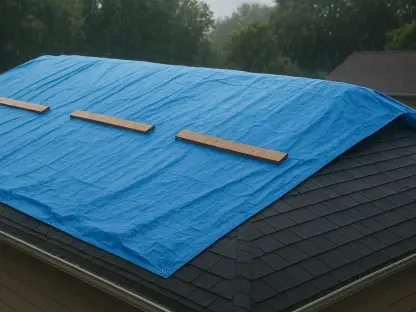
Homeowners are finding that proactive physical improvements to their properties, a process often referred to as home hardening, can lead to substantial long-term savings. Installing storm-resistant windows, reinforced roofing materials, or fire-resistant siding makes a home significantly less likely to suffer a total loss during a natural disaster, a fact that insurers are increasingly willing to reward with discounted premiums. These upgrades represent a significant initial investment, but they provide a dual benefit of increasing the physical safety of the occupants and lowering the recurring cost of ownership. In many regions, local governments are even offering grants or tax incentives to encourage these types of retrofits, recognizing that a more resilient housing stock benefits the entire community by reducing the burden on recovery funds. Additionally, the move toward smart home technology, such as early leak detection systems, provides insurers with more granular data about safety.
Beyond physical upgrades, managing the financial side of insurance requires a strategic approach that involves regular comparison shopping and policy adjustments. Experts note that many homeowners stay with the same insurance provider for years out of convenience, missing out on potential savings that come from a more competitive marketplace. Switching to a new carrier can frequently result in immediate savings of ten percent or more, as different companies use varying algorithms to assess risk and may be looking to expand their presence in certain markets. Another common strategy for reducing monthly out-of-pocket costs is increasing the policy deductible, which shifts more of the initial risk to the homeowner in exchange for a lower premium. While this requires the owner to maintain a larger emergency fund to cover potential repairs, it can significantly ease the monthly budget pressure. Furthermore, bundling home and auto policies remains a reliable way to secure discounts.
Addressing the Rise of Uninsured Properties
The emergence of insurance deserts represents a critical threat to the stability of the American housing market, as major carriers completely withdraw from areas they deem too risky to cover profitably. This trend has left approximately one in seven homes across the country without any form of homeowners insurance, either because the cost has become prohibitive or because no private company is willing to issue a policy. For many homeowners, being uninsured is not a choice but a forced reality that puts their largest financial asset at immense risk. The implications of this crisis extend far beyond individual property owners, as a lack of insurance makes it nearly impossible for buyers to secure traditional mortgages, effectively halting real estate transactions in vulnerable communities. Without the ability to buy or sell homes, property values in these areas can plummet, leading to a decline in local tax revenue and a subsequent erosion of public services.
Navigating the changing landscape of homeownership required a shift in focus from passive payment to active risk management. Industry leaders moved toward advocating for more robust state-run insurance programs to act as a backstop for the private market in high-risk zones. These programs provided a necessary safety net that allowed the real estate market to continue functioning even in the face of environmental uncertainty. Homeowners who successfully managed their costs prioritized long-term resilience by integrating modern building standards into their property maintenance routines. Community-wide efforts to improve infrastructure, such as better drainage systems and managed forests, proved to be effective in lowering the overall risk profile of entire zip codes. By treating home insurance as a dynamic variable rather than a fixed cost, residents were able to make more informed decisions about how to protect their investments. The most successful strategies involved property hardening and consistent policy reviews.