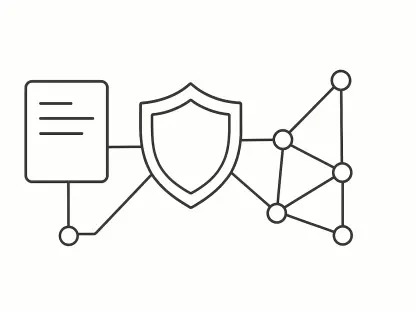

The verification of insurance coverage has long remained a fragmented and manually intensive process that delays transactions across the automotive and lending industries, creating significant friction for both businesses and consumers. Despite the digital transformation occurring in other financial sectors, the exchange of policy data often relies on outdated methods like physical ID cards or slow verbal confirmations. This inefficiency leads to lost revenue and increased risk for rental agencies, lenders, and fleet managers who require real-time proof of active coverage. Axle has emerged as a specialized clearinghouse designed to bridge this information gap by leveraging artificial intelligence to automate the retrieval and verification of insurance details directly from carriers. By creating a unified interface, the platform allows third-party service providers to access comprehensive policy data without the need for manual intervention or lengthy phone calls. This shift toward a centralized, automated system represents a pivotal change in how risk is managed globally.
Streamlining Risk Management Through Real-Time Connectivity
Traditional insurance verification relies on a decentralized network where individual agents and carriers maintain their own siloed databases, making it nearly impossible for outside parties to verify coverage instantly. When a consumer attempts to rent a vehicle or secure a loan, the service provider often has to trust a printed document that could be expired or altered, or they must wait hours for a manual response from an insurance representative. Axle addresses this systemic bottleneck by deploying an application programming interface that connects directly to hundreds of insurance carriers simultaneously. This infrastructure acts as a universal translator, normalizing various data formats into a single, actionable stream that businesses can integrate into their existing workflows. The integration of artificial intelligence further enhances this process by interpreting complex policy language and identifying specific coverage limits or exclusions that might otherwise be overlooked during a manual check.
Beyond simple connectivity, the utility of an AI-driven clearinghouse lies in its ability to maintain persistent monitoring of insurance statuses throughout the duration of a contract or rental period. In the past, a policy could be canceled or lapse just days after an initial verification, leaving the lender or rental company exposed to massive financial liabilities without their knowledge. Axle’s system provides automated alerts and updates, ensuring that any changes in coverage are immediately flagged and communicated to the relevant stakeholders. This proactive approach eliminates the outdated mentality that has historically plagued the industry, replacing it with a dynamic oversight model. Furthermore, the platform reduces the administrative burden on consumers, who no longer need to navigate complex carrier portals to find proof of insurance for every new service they utilize. By simplifying the user experience and enhancing data accuracy, the clearinghouse model fosters transparency.
Industry leaders recognized that the transition toward a fully automated insurance data ecosystem required a commitment to interoperability and rigorous data privacy standards to be effective. Companies that prioritized the integration of these AI-driven clearinghouses achieved faster processing times and significantly reduced their exposure to uninsured losses during the recent operational cycle. Future strategies shifted toward the adoption of standardized data protocols that allowed for even deeper synchronization between carrier back-ends and third-party applications. Decision-makers focused on implementing robust cybersecurity measures to protect sensitive policyholder information while maintaining the high-speed access necessary for real-time transactions. By moving away from reactive verification models, organizations established a more resilient framework for managing risk across all fleet and lending operations. These steps ensured that the insurance industry caught up with the broader fintech landscape.