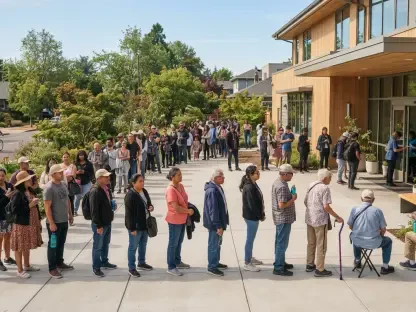

The shift toward a mobile-first infrastructure allows insurance firms to bypass bureaucratic delays and implement automated compensation systems for modern consumers. In an environment where digital native users expect immediate results, the traditional model of relying on human agents and
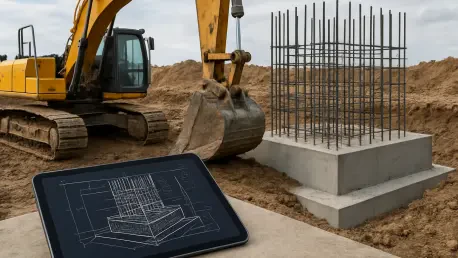
In the context of complex demolition, the failure to verify an engineering design against approved plans is viewed as a breach of professional diligence. This distinction is vital in the high-stakes arena of modern construction, where the line between manual labor and specialized technical guidance

The expansion of digital tools on the job site has pushed the construction industry’s attack surface far beyond the back office and into physical equipment controls. This shift represents a seismic change in how safety professionals and project managers interpret the daily chaos of a build site.

Contract negotiations in the insurance sector are increasingly focused on securing AI-driven efficiencies rather than simply managing transaction volumes of manual transactions. Global insurers are currently reassessing their long-term partnerships as traditional business process outsourcing models

Missile forces have expanded their target list beyond civilian airports to include critical oil infrastructure such as Saudi Aramco’s facilities in Dhahran. This strategic pivot marks a significant escalation in the regional conflict, shifting from isolated skirmishes to a systematic campaign

As the December 7 deadline approaches, the decline in Medicare Advantage options suggests a hardening market that prioritizes cost management over expansive plan variety. This shift creates a sense of urgency for millions of American seniors who must now navigate a landscape that looks drastically