
The Changing Face of Risk in the US Property Market
The landscape of the American property insurance market is currently navigating a period of unprecedented complexity, characterized by a sharp decline in claim frequency paired with a dramatic surge in individual loss costs. This analysis highlights a startling shift where the traditional high-volume administrative model is being replaced by a more volatile environment defined by severe, high-indemnity events. For insurers and mortgage servicers, the decreasing number of total assignments offers little relief, as the financial intensity of current catastrophes pushes the limits of standard risk models. Understanding this divergence is essential for maintaining liquidity and operational readiness in an era where the financial stakes for every single claim have never been higher.
Understanding the Historical Shift in Claim Dynamics
Historically, the property insurance sector thrived on a predictable flow of manageable, routine claims like minor kitchen fires or localized water damage. These incidents provided a steady baseline for adjusters and restoration firms, allowing for a balanced allocation of resources throughout the year. However, over the past several years, this balance has tilted significantly toward a model where fewer homeowners file claims, but those who do are often victims of widespread, high-cost disasters. This evolution has been fueled by a combination of rising material inflation and a workforce shortage in the construction sector, making every repair more expensive and time-consuming than in previous decades.
Analyzing the Divergence: Fewer Claims, Higher Costs
The Decline of Routine Filings and the Rise of Catastrophes
The market is currently witnessing a significant contraction in standard property assignments, with total claim volume dropping by approximately 12.2% compared to the previous annual cycle. This downturn is largely the result of a 18.7% reduction in non-catastrophic claims, suggesting that minor property maintenance issues are less frequently reaching the threshold of an insurance filing. In contrast, catastrophic events have claimed a larger share of the market, rising to account for 43% of all activity. This data confirms that the industry is no longer managing a steady stream of small issues but is instead reacting to a series of large-scale shocks that demand deeper financial reserves and more specialized expertise.
The Financial Lag and Rising Severity Projections
Preliminary financial reporting often underestimates the true cost of these severe events due to the “long-tail” nature of catastrophic damage. Initial data might suggest an average claim cost of roughly $17,085, but historical modeling indicates that final settlements are projected to rise significantly, likely reaching $19,323 as the full scope of repairs is realized. This gap occurs because complex claims involving structural failure or extensive water mitigation take longer to assess and finalize than routine maintenance issues. For financial stakeholders, this means that the capital requirements for the current quarter will likely expand well into the future, creating a persistent pressure on balance sheets.
Geographic Volatility and the Dominance of Severe Weather
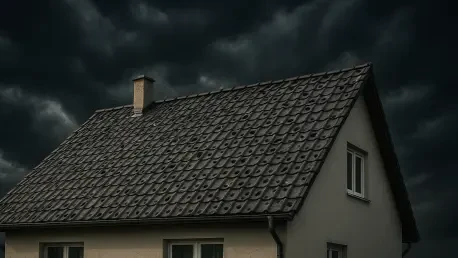
Regional differences have become a defining feature of the 2026 property landscape, with the Midwest emerging as a primary source of new claim activity. While traditional high-volume states like Texas still see significant numbers, Kansas and Iowa have experienced explosive surges in assignments, growing by 73% and 95% respectively due to intense convective storms. Hail damage remains the most pervasive threat across the country, accounting for nearly 30% of all insurance assignments. These localized spikes create logistical bottlenecks, where the supply of local adjusters and restoration professionals is quickly overwhelmed by a sudden, intense concentration of high-severity losses.
Innovation and Adaptation in an Unpredictable Climate
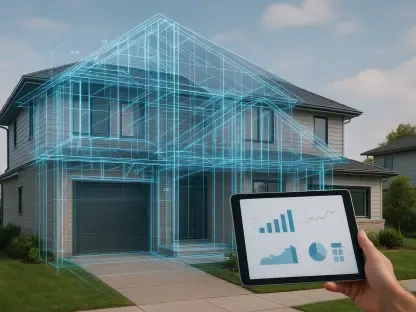
The industry is responding to this high-severity environment by accelerating the adoption of predictive modeling and remote sensing technology. Satellite imagery is now being used to verify hail damage across entire zip codes within hours of a storm, allowing carriers to prioritize the most severe losses before manual inspections even begin. Furthermore, regulatory discussions are increasingly focused on building code enhancements that can withstand higher wind speeds and more frequent flooding. Looking ahead from 2026 through 2028, we expect to see a market where the financial burden of severity is mitigated by smarter construction and real-time damage assessment tools that reduce the duration of the claims cycle.
Strategic Takeaways for Industry Stakeholders
To navigate this transition, insurers must pivot their strategies from volume-based efficiency to severity-based risk management. Diversifying risk portfolios is a critical step to avoid over-exposure in the storm-prone corridors of the Central United States. Mortgage servicers and financial institutions are also encouraged to adjust their escrow and reserve requirements to reflect the ballooning cost of property repairs, ensuring that homeowners are not left underinsured during major events. Investing in long-term partnerships with restoration firms that possess the scale to handle catastrophic surges will likely be the difference between operational stability and financial distress during peak weather seasons.
Navigating the High-Severity Landscape
The property insurance sector underwent a fundamental transformation as the reliance on high claim frequency gave way to the challenges of record-setting severity. Decision-makers realized that traditional models failed to account for the concentration of risk in specific geographic hotspots and the rising costs of specialized labor. Actionable steps were taken to integrate advanced data analytics into daily operations, helping to stabilize the financial impact of convective storms. This period of transition highlighted that resilience was achieved not through managing more claims, but through a deeper understanding of the high-stakes environment where every incident required a more robust and technologically driven response.