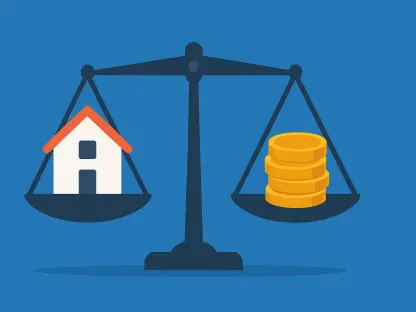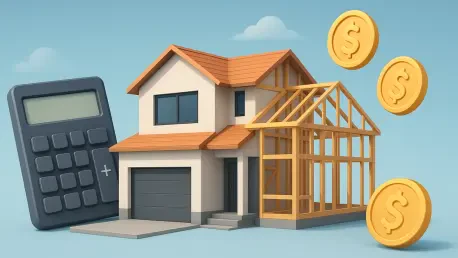

Secondary costs such as mold mitigation and structural degradation often escalate when standard insurance repairs face lengthy delays due to trade scarcity. In the current economic climate of 2026, property owners and managers are finding themselves at a crossroads where traditional insurance models are being redefined by persistent inflationary pressures. The surge in annual premiums is not merely a reflection of increased frequency in claims, but a response to the fundamental rise in the cost of property restoration. As the gap between historical asset valuations and modern replacement expenses continues to widen, the financial stability of rental investments relies on a deeper understanding of these shifting market dynamics. Landlords must now account for a reality where every aspect of property recovery—from initial assessment to final inspection—carries a significantly higher price tag than in previous years. This transformation necessitates a proactive approach to risk management that goes beyond basic policy coverage and addresses the underlying systemic issues.
Factors Driving the Inflation of Claims
The Impact of Supply Chains and Labor Shortages
The ongoing strain on both global and regional supply chains has fundamentally altered the baseline costs for essential building materials, with timber, steel, and specialized hardware reaching unprecedented price points in 2026. When an insurance claim is filed for structural damage today, the insurer must absorb current market rates that often exceed previous estimates by a substantial margin. This “inflation of restoration” means that standard repairs, such as kitchen reconstructions or roof replacements, are now significantly more expensive than they were just a few years ago. For the property owner, this environment increases the risk of being underinsured if their policy limits have not been adjusted to reflect these new construction realities. The collective result of these material price hikes is a necessary upward adjustment in premiums to ensure that insurers remain capable of covering the high cost of making a property whole again after an incident.
Parallel to material costs, the acute shortage of skilled tradespeople has created a competitive labor market where hourly rates for builders, plumbers, and electricians continue to climb. This labor scarcity does more than just increase the final bill; it introduces significant delays into the repair timeline, which further compounds the financial impact of every claim. When a property remains in a state of disrepair for months because a qualified contractor is unavailable, the logistical and administrative costs associated with the claim grow exponentially. Property managers are increasingly finding that the speed of a restoration project is determined more by local trade availability than by the urgency of the landlord’s financial situation. This labor-driven inflation is a primary driver behind the rising costs of insurance products, as the pool of capital required to settle even minor claims must expand to accommodate the premium rates charged by the remaining workforce in the construction sector.
The Ripple Effect of Large-Scale Weather Events
Major weather events are no longer localized inconveniences but represent regional economic disruptions that create massive bottlenecks for the entire insurance industry. When a significant storm or flood occurs, the resulting spike in demand for assessors and specialized restoration trades diverts resources away from standard, non-catastrophic claims. This diversion creates a backlog that affects properties far outside the direct disaster zone, leading to extended repair timelines for routine maintenance and minor damage. During these periods of high demand, the cost of securing a contractor increases even further, as limited resources are allocated to the highest-priority cases. Landlords whose properties suffer minor damage during a major regional event often face the longest delays, as their repairs are pushed down the priority list. This systemic delay is a critical factor in the rising cost of claims, as it often leads to the deterioration of the property while it waits for professional attention.
The secondary consequences of these extended repair timelines are where the most significant financial burdens often emerge for both the insurer and the landlord. When a building’s envelope is compromised and repairs are delayed due to resource scarcity, the interior environment can deteriorate rapidly, leading to expensive mold remediation and structural rot. What might have started as a manageable water damage claim can quickly escalate into a full-scale environmental hazard if moisture is not addressed within a specific window of time. These compounding issues turn straightforward insurance events into complex, high-value projects that put immense pressure on insurance reserves. Consequently, insurers must model their premiums to account for the high probability of these secondary damages occurring during periods of trade scarcity. Understanding this ripple effect is essential for property managers who must manage landlord expectations regarding both the duration and the ultimate cost of property recovery in 2026.
Strategic Risk Management for the Modern Investor
To address these evolving challenges, successful property managers implemented a rigorous approach to valuation and maintenance that prioritized long-term resilience over short-term savings. They ensured that building sums insured were updated to reflect the high construction costs of the 2026 market, thereby avoiding the pitfalls of underinsurance during a total loss. Proactive maintenance schedules became the standard practice, identifying minor structural vulnerabilities before they could escalate into major insurance events during severe weather. Furthermore, the adoption of digital documentation tools allowed for the immediate recording of property conditions, which significantly streamlined the assessment process and allowed claims to be processed with greater speed. By fostering transparent communication with tenants regarding the realities of trade shortages and repair timelines, managers mitigated the friction caused by unavoidable delays. These strategic actions provided a vital buffer against the rising volatility of the insurance market and secured the financial stability of rental portfolios.