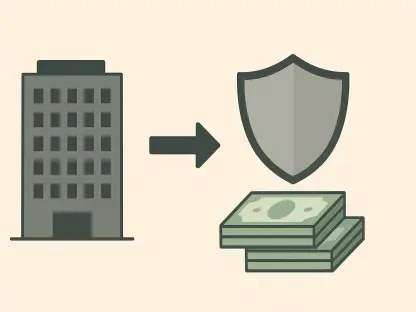

The unprecedented decision by Novo Nordisk to reject a twenty-five million dollar ransom demand represents a critical shift in how global healthcare leaders manage high-stakes digital extortion attempts. By refusing to negotiate with the group known as FulcrumSec, the company emphasized that the integrity of its research and its corporate autonomy are not for sale. This stance signals to the market that the value of pharmaceutical innovation now requires a defensive posture that prioritizes long-term security over short-term financial payouts.
In the current economic climate, where metabolic treatments command record-breaking valuations, the vulnerability of internal data has become a systemic risk. The fallout from this breach illustrates the complexities of protecting highly guarded formulas for drugs like Wegovy and Ozempic. As the industry moves further into a data-driven era, understanding the intersection of corporate finance and cybersecurity is essential for stakeholders monitoring the stability of the global healthcare supply chain.
A Stand Against Extortion: The Pharmaceutical Sector
Pharmaceutical companies have historically faced threats from industrial espionage, but the nature of these attacks evolved significantly. Hackers transitioned from simple data theft toward sophisticated operations that mirror corporate intelligence gathering. This historical context is vital because it explains why proprietary research is now more lucrative on the black market than traditional patient records, forcing a reevaluation of what constitutes a “high-priority” asset.
The Evolving Landscape: Cyber Threats in Healthcare
The industry is currently facing a paradigm shift where digital infrastructure is the primary target for competitive sabotage. Historical patterns show that even minor leaks in clinical data can delay regulatory approvals or allow competitors to replicate manufacturing processes. For a company at the top of the metabolic market, the threat landscape is no longer about random malware but about surgical strikes against intellectual property.
Analyzing the FulcrumSec Incursion: Data Theft Analysis
The Anatomy: Long-Term Network Breach
The breach began in early 2025 and remained undetected for over sixty days, allowing the intruders to map the network meticulously. This duration of access enabled the extraction of one point three terabytes of data, spanning over seven hundred thousand files. The focus was not on random disruption but on identifying specific blueprints for manufacturing and the underlying AI models used in drug discovery.
The Ethical Facade: Harm-Reduction Narrative
The extortionists attempted to adopt a moral stance by promising to withhold personal employee and patient data from public sale. This “harm-reduction” narrative served as a strategic maneuver to pressure the company while minimizing heat from international law enforcement. However, the move failed to sway the leadership, who recognized that any payment would only facilitate more sophisticated future incursions by the same group.
Global Implications: High-Value Intellectual Property Loss
The exposure of industrial secrets poses a far greater threat than standard identity theft in this sector. If manufacturing details reach competitors or counterfeiters, the competitive advantage maintained by the original developer could erode rapidly. This incident highlights a major market misunderstanding where data loss is often viewed through the lens of privacy rather than the loss of intellectual capital.
Future Trends: Pharmaceutical Cybersecurity and Research
Looking ahead, the industry is shifting toward zero-trust architectures to mitigate the risk of long-term lateral movement within networks. The focus is moving from guarding the perimeter to protecting the data itself through advanced encryption and siloed storage. Regulators will likely mandate more stringent oversight of AI models to ensure that the internal logic of drug development is not easily exfiltrated during such events.
Key Takeaways: Strategic Defense for Organizations
Organizations must prioritize internal monitoring to detect unusual data behavior much faster than the sixty-day window seen in this case. Siloing critical assets and having a pre-approved response strategy for extortion are now mandatory for risk management. Companies should also ensure that their public statements provide a realistic assessment of a breach to maintain investor confidence during periods of volatility.
Resilience Building: Navigating Future Cyber Risks
The decision to bypass negotiation forced the organization to adopt a proactive data-centric defense strategy. Management prioritized the deployment of sophisticated decoy systems and expanded its internal audit frequency to prevent recurrence. These measures ensured that the protection of intellectual capital remained a core tenet of corporate governance, ultimately strengthening market confidence in the security of medical breakthroughs.