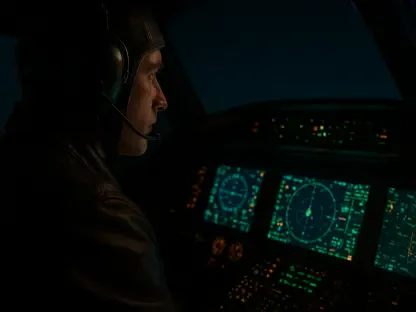

A pilot who lacks the required aircraft-specific experience or necessary ratings may inadvertently void a multi-million dollar insurance policy during a routine flight operation. This stark reality underscores the intricate nature of aviation risk management, where the intersection of federal regulations and private contract law creates a complex environment for aircraft owners. In the current landscape of 2026, the industry has shifted toward high-resolution data integration, where telemetry and digital flight logs serve as the primary evidence for policy compliance. Aviation insurance serves as a specialized shield, yet its effectiveness remains entirely dependent on strict adherence to the fine print regarding pilot qualifications and aircraft maintenance. Beyond simple hull protection, these policies must address evolving threats, including cybersecurity risks for avionics and advanced liability scenarios involving uncrewed aerial systems operating in shared commercial airspace.
The Structure of Modern Liability and Hull Protection
Aviation liability coverage functions as the primary defense against legal claims originating from third-party injuries or property damage. In 2026, the standard for professional flight operations typically involves a combined single limit structure, which provides a total dollar amount available for all claims arising from a single occurrence. This approach offers significant advantages over split-limit policies, which strictly cap payouts for individual passengers or specific types of damage. Underwriters have recently adjusted their models to account for the increased density of suburban flight corridors used by electric vertical takeoff and landing vehicles. As a result, liability policies now frequently include specific language regarding noise pollution and electronic interference. For commercial operators, maintaining high liability limits is not merely a legal requirement but a critical component of business continuity, as even a minor ground incident can lead to substantial litigation.
Hull insurance addresses the physical loss or damage to the aircraft itself, categorizing risks based on the operational status of the vehicle. Ground Not in Motion coverage is the most limited form, protecting the aircraft while it is parked or hangared against perils like fire, theft, or localized weather events. In contrast, Ground in Motion includes coverage for taxiing operations, which have become increasingly complex with the introduction of automated apron management systems. The most comprehensive tier is In Flight coverage, which encompasses all phases of operation from the start of the takeoff roll to the completion of the landing run. Modern 2026 policies often integrate sensor-based pay-as-you-fly models, where hull premiums fluctuate based on the actual flight hours and the severity of the operational environment. This granular approach ensures that owners of well-maintained aircraft are not disproportionately burdened by the risks associated with older airframes.
Critical Exclusions and Operational Restrictions
Exclusions represent the specific circumstances under which an insurer is not obligated to pay a claim, and the Open Pilot Warranty remains one of the most critical clauses. This provision specifies the minimum qualifications required for any individual operating the aircraft, including total flight time and recent experience in the specific make and model. In the current 2026 regulatory environment, underwriters have become more stringent, often requiring proof of simulator-based emergency training and advanced glass-cockpit proficiency. If an accident occurs while a pilot who does not meet these criteria is at the controls, the insurance company has the legal right to deny coverage entirely, leaving the owner personally liable for all damages. This exclusion serves as a quality control mechanism for the insurer, ensuring that the risk profile of the flight crew matches the actuarial assumptions used to price the policy. Owners must verify that every pilot satisfies these strict contractual requirements.
Other standard exclusions focus on mechanical breakdown, wear and tear, and geographical limitations that define where the aircraft can be safely operated. While hull insurance covers the damage resulting from an accident, it typically excludes the cost of repairing the internal mechanical failure that may have caused it. For instance, if an engine seizes due to poor maintenance, the policy might cover the damage from the subsequent forced landing, but not the replacement of the engine itself. Geographical exclusions are equally vital, as many policies are limited to certain territories or countries. Operating outside these defined borders without a specific territorial expansion endorsement can lead to an immediate loss of coverage. Furthermore, as geopolitical tensions shift, insurers frequently update war risk exclusion zones, requiring operators to obtain separate coverage for flights into areas deemed high-risk. This requires constant vigilance and frequent reviews to ensure that global operations remain protected.
Strategic Approaches to Policy Management
Aviation firms successfully navigated these complexities by adopting a proactive stance toward risk mitigation and policy transparency. They audited their existing agreements to ensure that the definition of an insured event aligned with their specific operational profile and geographical reach. By engaging specialized brokers, these organizations secured endorsements that explicitly covered emerging risks like digital interference and extended ground handling liabilities. These leaders prioritized the continuous monitoring of pilot currency and aircraft airworthiness, which effectively reduced the likelihood of claim denials. This systematic approach transformed insurance from a mere administrative burden into a strategic asset that supported long-term growth and stability in a volatile market. Owners who focused on these details ensured that their assets remained protected against the most severe financial shocks while maintaining full compliance with the legal frameworks.
Organizations also recognized that the standard policy language often lagged behind technical advancements in cockpit automation and remote flight control systems. They worked closely with legal experts to draft bespoke endorsements that accounted for the shared responsibility between human operators and sophisticated flight management computers. This transition included the establishment of a robust contingency fund to manage the minor deductibles and excluded wear-and-tear costs that insurance was never intended to cover. By centralizing all insurance documentation within an encrypted digital vault, crews ensured that compliance evidence was immediately accessible in the event of an investigation or audit. These strategic initiatives effectively transformed aviation insurance from a passive financial safety net into an active driver of operational safety culture. This evolution allowed flight departments to maintain their insurance eligibility and competitive advantage across the industry.