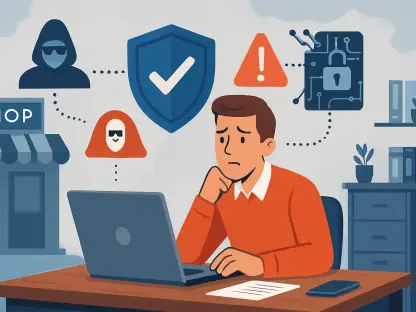

Recent data from the Identity Theft Resource Center reveals that 81% of small businesses surveyed experienced a security or data breach within a single year. This alarming statistic highlights a critical shift in the modern marketplace, where digital infrastructure has become both the greatest asset and the most significant liability for independent entrepreneurs. As companies increasingly rely on cloud-based collaboration, digital payment processing, and remote work environments, the surface area for potential attacks has expanded exponentially. Many business owners historically viewed cybersecurity as a technical concern relegated to IT departments or external vendors, yet the current climate dictates that digital protection is a core pillar of operational sustainability. The financial and reputational consequences of a breach are no longer theoretical risks but common occurrences that can dismantle a brand’s legacy overnight. Consequently, understanding the specific vectors of these threats and the necessary mechanisms for mitigation has become an essential competency for any leader navigating the complexities of the current fiscal year. Professional resilience now depends as much on digital hygiene as it does on product quality or customer service, making a proactive approach to risk management a non-negotiable requirement for success.
The Evolution of Digital Risk in the Modern Enterprise
The prevailing atmosphere of digital uncertainty requires a fundamental reassessment of how small organizations perceive their own vulnerability relative to the global threat landscape. While headlines often focus on massive data leaks at multinational corporations, the reality is that the ecosystem of cybercrime has become highly automated and decentralized, making no entity too small to escape notice. This shift is driven by the realization among threat actors that smaller firms often possess valuable data but lack the sophisticated, multi-layered defenses found in larger institutions. By examining the evolution of digital risk, it becomes clear that the challenge is not merely technological but psychological, as business owners must overcome the cognitive biases that lead to a false sense of security. The integration of advanced analytics and artificial intelligence into the arsenals of hackers has further accelerated this trend, allowing for targeted campaigns that exploit specific industry weaknesses with surgical precision. Addressing these vulnerabilities requires a holistic approach that combines advanced technical safeguards with a deep understanding of human behavior and organizational processes.
Breaking the Myth of Being Too Small to Target
One of the most persistent hurdles in modern business security is the widespread belief among entrepreneurs that their small-scale operations are invisible to sophisticated hackers. This misconception often results in a significant lack of investment in both personnel training and defensive software, creating an environment where basic vulnerabilities remain unpatched for years. In reality, modern cybercrime operates largely through automated scanners and bots that do not discriminate based on company size or annual revenue; instead, they search for specific vulnerabilities in software or weak authentication protocols. To a professional hacker, a small business represents a “low-effort, high-reward” opportunity where the likelihood of detection is minimal compared to the potential financial gain. The aggregation of several smaller breaches can often be more profitable and less risky for a criminal enterprise than attempting to penetrate the highly monitored networks of a major bank or tech giant. This shift in strategy among cybercriminals has transformed the landscape into one where every digital footprint, no matter how modest, is a potential target for exploitation.
Furthermore, the interconnected nature of the modern economy means that small businesses often serve as entry points into much larger networks. A local accounting firm or a boutique marketing agency may handle sensitive data for a dozen larger corporations, making them an attractive target for supply chain attacks. When a hacker compromises a small vendor, they gain a foothold that can be leveraged to bypass the more robust security measures of larger clients. This cascading effect illustrates that no business is truly an island in the digital age. Entrepreneurs must recognize that their security posture affects not only their internal operations but also the trust and safety of their entire professional ecosystem. By reframing cybersecurity as a shared responsibility rather than an individual burden, business owners can better appreciate the importance of robust defenses. The myth of insignificance is a dangerous fallacy that leaves the doors of many small enterprises wide open to opportunistic and targeted attacks alike, necessitating a shift toward a more vigilant and realistic perspective on digital safety.
Understanding the Path of Least Resistance
The concept of the “path of least resistance” is central to understanding why small businesses have become the primary focus for many contemporary threat actors. While a Fortune 500 company might employ a dedicated security operations center and utilize advanced encryption, a local service provider might rely on a single, shared password for multiple administrative accounts. These security gaps act as invitations for criminals who seek easy entry points into broader digital networks. A single compromised set of credentials from a small vendor can serve as a skeleton key, granting unauthorized access to the sensitive information of their entire client base, which may include larger, more lucrative targets. This phenomenon illustrates that a small business’s value to a hacker often lies in its connections and the trust it holds within its professional community. By failing to secure their own perimeters, smaller entities inadvertently become the weakest link in a much larger chain, endangering not only their own assets but also the data and financial security of everyone they do business with on a daily basis.
Moreover, the psychological aspect of these attacks cannot be overstated, as hackers frequently use social engineering to exploit the personal nature of small business interactions. In a smaller firm, employees are often more accessible and may be less accustomed to the rigorous verification protocols common in larger organizations. This familiarity can be weaponized through spear-phishing campaigns that mimic the communication style of a trusted colleague or a long-term client. When a worker receives an “urgent” request that appears to come from the owner, the instinct to be helpful and efficient can override the suspicion necessary to catch a fraudulent link or a suspicious file attachment. This human vulnerability, combined with often-outdated software and unmanaged hardware, creates a perfect storm for cybercriminals. To effectively close these gaps, small businesses must look beyond simple antivirus software and address the systemic weaknesses in their operational culture. Recognizing that every digital interaction carries a potential risk is the first step in moving away from being a soft target and toward becoming a resilient, security-conscious organization.
Identifying High-Risk Sectors and Digital Vulnerabilities
While no sector is entirely immune to the reach of cybercriminals, certain industries face unique risks due to the nature of the data they manage and the financial transactions they facilitate. The diversity of threat vectors means that a “one-size-fits-all” approach to security is often ineffective, as the methods used to target a retail store differ significantly from those used against a law firm or a medical clinic. Understanding these specific industry profiles is the first step toward developing a tailored defense strategy that addresses the most likely points of failure. As digital transformation continues to integrate into every facet of professional life, the distinctions between “online” and “offline” businesses have largely vanished, leaving every organization dependent on the integrity of their digital systems. This section explores how different sectors are currently being targeted and the specific vulnerabilities that hackers exploit to gain access to funds, intellectual property, and personally identifiable information. By identifying these patterns, business owners can more effectively allocate their resources to protect their most critical assets and ensure long-term operational resilience.
Professional Services and Financial Data Risks
Consultants and professional service providers operate primarily on the currency of information, making them prime targets for hackers who specialize in data exfiltration and corporate espionage. Their digital environments often contain high-value intellectual property, strategic planning documents, and detailed financial reports that could be catastrophic if leaked or held for ransom. One of the most prevalent tactics used against this sector is Business Email Compromise, or BEC, where attackers infiltrate a professional’s email account to monitor conversations and eventually redirect payments to fraudulent accounts. Because these businesses rely heavily on trust and long-term relationships, a breach of their communications can lead to a total loss of credibility that is difficult to recover. The financial impact of such an event is often compounded by the legal fees and forensic costs required to determine the extent of the damage. For consultants, their digital security is directly tied to their professional reputation, making the protection of their communication channels a top priority in an increasingly digital world.
Accountants, brokers, and tax advisors face even higher stakes due to the high density of personally identifiable information they handle on a daily basis. Managing Social Security numbers, bank account details, and corporate tax records means that a single successful breach can trigger a massive cascade of regulatory penalties and legal liabilities. In many jurisdictions, the loss of such sensitive data mandates immediate and costly notification processes, as well as the provision of credit monitoring services for all affected parties. This sector is also a primary target for ransomware, where hackers lock access to critical files during peak periods, such as tax season, to maximize their leverage for a payout. The sheer volume of sensitive data makes these professionals a high-value target for identity thieves who can use the stolen information for years to come. Consequently, financial professionals must go beyond basic compliance and implement advanced encryption and strict access controls to ensure that their clients’ most private information remains secure against an evolving array of digital threats.
Real Estate and Creative Industry Threats
The real estate industry is increasingly besieged by high-stakes wire fraud involving massive sums of money and tight deadlines that create a sense of urgency criminals can exploit. Transactions involving agents, brokers, lawyers, and buyers often require the exchange of wiring instructions via email, providing a perfect opportunity for “spoofing” techniques. Criminals interject themselves into these email chains by creating addresses that look nearly identical to those of the legitimate parties, then providing fraudulent wiring instructions at the final hour. These attacks are meticulously timed to coincide with the closing of a deal when the parties involved are often distracted or under pressure to finalize the paperwork. Because the sums of money are so large, a single successful fraudulent transfer can represent the loss of a client’s life savings or a company’s major investment. This specialized form of cybercrime highlights the need for rigorous, non-digital verification protocols in every transaction, ensuring that sensitive financial instructions are never accepted through email alone without secondary confirmation.
Creative agencies and marketing firms often hold the “master keys” to their clients’ digital presence, including social media credentials, website backends, and proprietary software code. By targeting these agencies, hackers can gain secondary access to a wide network of victims, often bypassing the security perimeters of multiple organizations simultaneously. These firms are particularly vulnerable to social engineering, as their outward-facing roles require them to be responsive to new inquiries and professional networking opportunities. An attacker might send a phishing email disguised as a request for a proposal or a link to a prospective client’s creative brief, which, when opened, installs malware designed to harvest stored passwords. Once an agency’s network is compromised, the attacker can move laterally through the systems of their various clients, potentially causing widespread damage. This unique risk profile means that creative firms must be exceptionally vigilant about their internal security protocols and the ways in which they manage and store client credentials to prevent becoming a gateway for broader cyberattacks.
Retail Systems and Ransomware Trends
For brick-and-mortar businesses, the primary digital vulnerability often lies within the Point-of-Sale or POS system, which serves as the critical junction for financial transactions. Malware specifically designed to scrape credit card data can be installed remotely or through physical tampering, allowing criminals to harvest thousands of customer records in a short period. This type of theft often goes undetected for weeks or months, during which time the business continues to inadvertently put its customers’ financial health at risk. The fallout from a POS breach includes not only the loss of customer trust but also significant fines from payment card processors and the potential for class-action lawsuits. As mobile payment options and cloud-based POS systems become the industry standard, the complexity of securing these endpoints has grown, requiring retail owners to be more technically savvy than ever before. Ensuring that payment hardware and software are regularly updated and compliant with the latest security standards is a foundational step in protecting a retail business from catastrophic financial loss.
Beyond data scraping, ransomware has emerged as a dominant and existential threat to the retail and hospitality sectors, often appearing in nearly half of all analyzed breaches. When a business is locked out of its own operational systems, the ability to process sales, manage inventory, and track employee hours vanishes instantly, leading to a total cessation of cash flow. For a small restaurant or a boutique shop, even a few days of downtime can be the difference between staying in business and permanent closure. Ransomware actors often demand payments in cryptocurrency, making the funds nearly impossible to recover once sent, and there is no guarantee that paying the ransom will actually restore access to the systems. This trend highlights the critical importance of maintaining offline, air-gapped backups of all essential business data and systems. By having a robust recovery plan in place, business owners can significantly reduce the leverage held by ransomware attackers and ensure that a digital incident does not turn into a terminal event for their company.
Implementing a Comprehensive Defense Strategy
The complexity of modern cyber threats necessitates a transition from a reactive “fix-it-when-it-breaks” mentality to a comprehensive, proactive defense strategy. Relying solely on a single piece of software or an external IT contractor is no longer sufficient to protect a business in a landscape where threats are constant and evolving. Instead, a successful strategy must integrate technical tools, financial planning, and organizational policy into a cohesive framework that addresses risk from every possible angle. This approach, often referred to as “defense-in-depth,” ensures that if one security layer fails, others are in place to stop the attack or mitigate its impact. Implementing such a strategy requires a commitment of both time and resources, but the investment is minor compared to the astronomical costs of a major breach. This section explores the practical steps small business owners can take to evaluate their risks and build a resilient infrastructure that protects their income, their reputation, and their future growth in an increasingly volatile digital economy.
Evaluating the Need for Insurance Coverage
Determining if a business requires cyber liability insurance involves a clear-eyed assessment of daily operations and the specific types of data handled within the organization. Any entity that stores sensitive client information, processes digital payments, or relies heavily on cloud-based software for operational continuity should consider itself high-risk. In many cases, having a robust insurance policy is not just a matter of internal safety but a contractual requirement from larger clients or partners who wish to ensure that their vendors are financially prepared for a potential crisis. Business owners must look beyond their existing general liability or professional errors and omissions policies, which often specifically exclude costs related to data breaches and cybercrime. A dedicated cyber liability policy provides a specialized safety net that addresses the unique forensic, legal, and regulatory challenges that arise following a digital attack. Evaluating these needs early allows a business to integrate insurance costs into its broader financial planning, rather than facing a sudden and insurmountable expense when a breach actually occurs.
The economic impact of a cyberattack on a small firm can be terminal, with data suggesting that many breached companies suffer losses exceeding a quarter of a million dollars within the first year. These costs are rarely limited to the direct theft of funds; instead, they include the “soft costs” of business interruption, the expense of legal counsel, and the mandatory costs of notifying affected customers as required by privacy laws. Cyber liability insurance acts as a vital financial buffer, providing the capital necessary to hire cybersecurity experts who can restore data, negotiate with ransomware actors, and conduct a thorough investigation to prevent future incidents. Furthermore, many policies include coverage for public relations services, which are essential for managing the reputational fallout and maintaining customer trust after a high-profile leak. By transferring the residual risk to an insurance provider, small business owners can focus on their core operations with the peace of mind that a single digital mishap will not lead to the total collapse of their life’s work.
Proactive Security and Digital Hygiene
While financial protections like insurance are necessary, they must be paired with proactive security measures and rigorous digital hygiene to be truly effective at preventing incidents. Multi-factor authentication, or MFA, remains the most effective low-cost defense available to small businesses today, acting as a powerful barrier against the vast majority of automated attacks. By requiring a second verification step, such as a code sent to a mobile device or a biometric scan, MFA ensures that even if a password is stolen or guessed, the attacker cannot gain access to the account. Implementing this across all administrative, email, and financial accounts should be the first priority for any security-conscious business owner. Additionally, maintaining strict hardware standards and ensuring that all software is automatically updated can prevent hackers from exploiting known vulnerabilities that have already been patched by developers. Simple habits, such as using a dedicated password manager and avoiding the reuse of credentials across different platforms, can significantly harden a company’s digital perimeter with minimal daily effort.
Strict verification protocols are also essential in an era characterized by sophisticated phishing attempts and the increasing use of artificial intelligence to create deepfake audio or video. Small businesses must adopt “out-of-band” verification for all sensitive requests, especially those involving the transfer of funds or the changing of banking details. This means that if a request is received via email, it must be confirmed through a different communication channel, such as a direct phone call to a known and trusted number, before any action is taken. Establishing these procedures as a standard part of company policy reduces the likelihood that an employee will be tricked by a convincing but fraudulent message. Furthermore, securing the physical environment where digital work happens—such as ensuring that routers are properly encrypted and that physical access to servers or POS systems is restricted—is a critical but often overlooked component of digital hygiene. By creating a culture where security is integrated into every workflow, small businesses can effectively neutralize many of the most common threats before they have a chance to do any damage.
Effective Integration of Cybersecurity as a Business Standard
Business owners who prioritized these measures discovered that the long-term stability of their operations relied heavily on a proactive stance toward digital safety. They moved away from reactive troubleshooting and instead implemented systems that treated data protection as a core utility rather than an optional luxury. This transition allowed them to maintain client trust even as the broader landscape became increasingly hostile and unpredictable. Those who invested in cyber liability insurance found that the financial recovery process was significantly smoother, as the policy covered the forensic costs and legal fees that would have otherwise exhausted their cash reserves. By shifting their perspective, these entrepreneurs successfully insulated their revenue streams from the volatility of the digital age. They recognized that the true cost of a breach far exceeded the price of prevention, and their commitment to digital hygiene became a competitive advantage in an era where consumers demanded privacy. Ultimately, the integration of security protocols was not merely a technical upgrade but a strategic move that preserved the integrity of their professional legacies.
The conclusion of the study into small business resilience indicated that the most successful firms were those that fostered a culture of continuous learning and vigilance among their staff. These organizations did not view security as a one-time setup but as an ongoing process of assessment and improvement. Employees at every level were trained to identify red flags and felt empowered to report suspicious activity without fear of reprisal, creating a human firewall that complemented their technical defenses. This approach turned cybersecurity from a burdensome expense into a foundational strength that supported all other business activities. As new threats emerged, these firms were already positioned to adapt, having established the necessary protocols and financial safeguards long before they were needed. Their success proved that while the digital world presented significant risks, those who prepared for them were able to thrive and expand their reach with confidence. The transition to a security-first mindset became the defining characteristic of small businesses that survived and prospered in a high-risk digital environment.