
Insurers paid out approximately 38,000 dollars per fire damage claim in the third quarter of 2026, illustrating the high cost of climate-related disasters. This surge in financial liability comes at a time when the British landscape is grappling with the aftermath of its hottest summer on record, a period that fundamentally altered the ground beneath thousands of homes. While the overall volume of insurance claims actually saw a minor decline of four percent, the intensity and cost of individual incidents reached a breaking point for many providers. The record-breaking heat did more than just break temperature milestones; it initiated a massive geomorphological shift as parched soils contracted, leading to a staggering 13,000 new subsidence claims in a single quarter. This figure represents a dramatic escalation from the 8,000 claims recorded during the same period in 2025, signaling that the structural integrity of the housing stock is under a new kind of environmental siege that traditional risk models were never designed to handle sustainably.
Shifting Environmental Drivers and Structural Risks
The Correlation: Aridity and Ground Instability
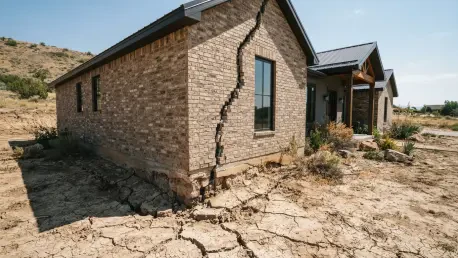
The unprecedented thermal stress of the recent summer has transformed a seasonal concern into a full-scale crisis for property owners and insurers alike. Subsidence, traditionally a gradual process of soil shifting, has accelerated as extreme dry spells cause the ground to shrink and pull away from foundations with alarming speed. This phenomenon was most prevalent in regions with heavy clay soils, where the lack of moisture created deep fissures and structural instabilities. During the third quarter of 2026, the influx of 13,000 claims highlighted a direct link between prolonged heatwaves and the physical deterioration of the residential market. These are not merely cosmetic issues but significant failures of the building envelope that require invasive and expensive remediation. As the ground loses its ability to support existing structures, the financial burden shifts to an insurance sector that is already dealing with a volatile global economy, forcing a reconsideration of how geography and climate influence real estate.
Beyond the immediate physical damage, the economic profile of these environmental claims is evolving in ways that suggest a permanent shift in the industry’s payout structure. While the frequency of minor claims has stabilized, the severity of high-impact events like subsidence and flooding has driven average payouts to record levels. Specifically, the average cost for a subsidence-related claim has climbed to 27,000 dollars, reflecting the complex engineering solutions required to stabilize modern homes. This rise is exacerbated by the increasing costs of specialized labor and the raw materials needed for deep-foundation repairs. The industry is witnessing a trend where the severity of individual weather events compensates for any drop in claim frequency, resulting in a total payout of nearly 2 billion dollars for residential and commercial claims in just three months. This concentration of financial risk suggests that the standard premium models used in previous years may no longer be sufficient to cover the liabilities generated by modern atmospheric conditions.
Financial Trends: Rising Costs of Damage Remediation
To address the widening gap between traditional coverage and modern environmental realities, a fundamental shift in how property owners perceive insurance value is required. Many current policies are based on outdated assessments of reconstruction costs, leaving a significant portion of the population underinsured against the rising prices of construction materials and labor. Experts now emphasize the importance of regular coverage reviews conducted with professional brokers to ensure that insured sums reflect the actual market rates of 2026. Furthermore, it is becoming vital for policyholders to scrutinize the limits for business interruption and alternative accommodation, as the time required to repair subsidence or fire damage often exceeds the standard durations allowed in older policy agreements. Ensuring that these limits are sufficient is no longer a matter of administrative diligence but a necessary strategy for maintaining financial liquidity during the lengthy displacement periods that follow major failures.
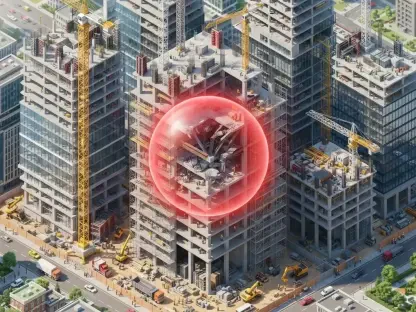
Building long-term resilience also involved a transition toward advanced construction methodologies designed to withstand the physical volatility of a warming climate. This proactive management strategy encouraged the adoption of materials and designs that could accommodate significant ground movement and temperature fluctuations without compromising safety. Integrating resilient building practices, such as reinforced foundations and heat-resistant cladding, became a standard recommendation for new developments aiming to secure favorable insurance terms. Property owners who invested in these structural upgrades often found themselves in a better position to navigate the shifting insurance landscape, as providers began to favor assets with demonstrated durability. Ultimately, the industry moved toward a model where risk mitigation was shared between the insurer and the insured, fostering a collaborative approach to protection. This evolution ensured that the housing market remained viable, providing a clear path forward for sustainable development and security.