
Organizations that invest in long-term risk management strategies are seeing the greatest benefits as the insurance industry shifts back toward a competitive buyer’s market. After years of relentless rate hikes and restricted capacity, the commercial landscape has finally reached a point of stabilization that favors proactive businesses. This transition represents more than just a momentary dip in premiums; it reflects a fundamental realignment of how underwriters evaluate physical assets and climate-related vulnerabilities. As property owners move from 2026 into the next cycle of renewals, the emphasis has shifted from mere survival to optimized placement. Underwriters are increasingly rewarding firms that provide transparent, high-quality data regarding their physical infrastructure. This influx of fresh capacity from traditional carriers and alternative capital sources has created a buffer against the volatility seen in previous seasons. The result is a pricing environment where differentiation is the primary driver of value.
Market Stabilization: Rebalancing Property Portfolios
The current softening of property rates is largely driven by a significant injection of reinsurance capital that has stabilized the primary market. Throughout 2026, many global reinsurers have expanded their appetite for commercial risk, leading to a surplus of capacity that forces primary insurers to compete more aggressively on price. This trend is particularly evident in the commercial real estate and manufacturing sectors, where property owners have successfully navigated the challenges of inflation-linked valuation adjustments. While the cost of construction materials remains elevated, the pace of increase has leveled off, allowing for more predictable replacement cost assessments during the underwriting process. Consequently, businesses with updated appraisals and robust loss-prevention measures are finding themselves in a position of strength during negotiations. This period of cooling rates provides a unique opportunity for risk managers to restructure their programs efficiently.
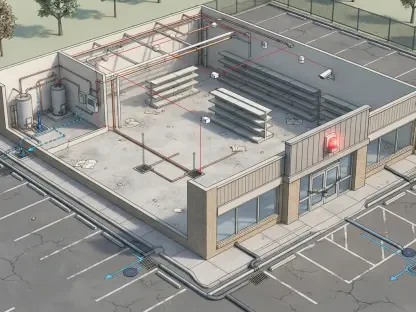
Central to this market easing is the sophisticated application of predictive modeling and real-time data analytics. Insurers are no longer relying solely on historical loss data but are instead incorporating hyper-local environmental sensor data and satellite imagery to assess structural integrity. In 2026, companies that have integrated Internet of Things devices into their facilities—such as water leak detection systems and automated fire suppression monitoring—are receiving preferential rating treatment. These technologies provide underwriters with a level of granular insight that mitigates the uncertainty typically associated with large-scale property risk. Furthermore, the standardization of Environmental, Social, and Governance reporting has streamlined the due diligence process, making it easier for carriers to identify clients with superior risk profiles. By leveraging these digital tools, organizations have managed to de-risk their operations effectively and secure more favorable terms.
Strategic Resilience: Considerations for Risk Optimization
Beyond the physical property sector, the easing market has begun to influence casualty and liability lines, albeit at a more gradual pace. The connectivity between property damage and subsequent business interruption claims remains a focal point for underwriters, who are now more willing to offer flexible sub-limits for specialized risks. As we observe the landscape from 2026 to 2027, the focus is expected to remain on how organizations handle indirect exposures, such as supply chain disruptions and technological failures. Captive insurance structures have also gained significant traction as a means of retaining predictable risks while utilizing the commercial market for catastrophic protection. This hybrid approach allows firms to benefit from lower market rates while maintaining control over their internal risk-financing mechanisms. By diversifying their risk transfer strategies, savvy financial officers have ensured that their organizations are not overly dependent on a single market cycle.
Successful enterprises adopted a multi-layered approach to risk management that prioritized structural resilience and data-driven decision-making. Instead of simply reacting to premium fluctuations, leadership teams proactively invested in advanced mitigation technologies and sought expert consultations to refine their coverage profiles. They focused on building comprehensive internal audit systems that identified potential weaknesses before they became liabilities. This shift moved the conversation from price-based purchasing to value-based risk partnership, where the insurer acted as a consultant in the long-term stability of the business. Future considerations necessitated a focus on continuous monitoring and the adoption of artificial intelligence tools to predict equipment failure or environmental stress. Organizations that utilized this period of relative calm to reinforce their operational foundations positioned themselves to withstand eventual market tightening and protect their assets.