
Implementing strict written contracts with outside vendors allows stations to transfer liability for on-site accidents to the contractors’ insurance carriers. This maneuver is essential for any broadcasting operation seeking to insulate itself from the ballooning costs associated with modern media management. Currently, the industry is witnessing a period of intense financial pressure, where the traditional struggle for advertising dollars is compounded by the rapid inflation of insurance premiums. These “creeping” costs for liability and property protection are no longer minor line items; they have become significant operational hurdles that demand sophisticated mitigation strategies. As audience demographics fragment and revenue streams fluctuate, broadcasters must also contend with an increasingly unpredictable risk landscape. The tension between maintaining a safety net and managing the bottom line has reached a critical juncture. For radio and television stations, understanding the specific nature of their infrastructure risks—from remote transmission towers to proprietary software—is the first step toward achieving a sustainable financial equilibrium in this demanding and volatile environment.
Addressing Modern Security Threats and Infrastructure Vulnerabilities
Operational Impacts: Vandalism and Tower Theft
The broadcasting industry has recently seen a disturbing uptick in domestic disturbances, vandalism, and professional copper theft, transforming these acts from localized nuisances into existential threats to station operations. A stark reminder of this vulnerability occurred when thieves targeted a broadcast tower in Oklahoma, toppling the entire structure to scavenge for scrap metal. Such incidents highlight a fundamental shift in the security landscape where physical infrastructure is increasingly targeted by those seeking quick financial gain or looking to cause intentional disruption. The financial repercussions of these events go far beyond the immediate damage to equipment. When a tower is destroyed, the loss of transmission capability can lead to a complete cessation of service, resulting in massive revenue losses and a breakdown in public communication. These acts of sabotage require broadcasters to rethink their approach to site security, moving from passive observation to active deterrence. The modern reality dictates that every remote facility must be viewed as a high-value target requiring constant monitoring to ensure the integrity of the signal and the safety of the assets.
The Long Road: Recovery Timelines and Policy Stability
Following a major claim, broadcasters often face an administrative and logistical marathon that can jeopardize their very existence. The lag time between the occurrence of a loss and the final insurance reimbursement can frequently extend to ten months or longer. During this grueling period, stations are often required to pay for replacement gear and temporary infrastructure out of their own pockets to maintain their presence on the air and fulfill their obligations to advertisers and the public. This demand on immediate cash flow can be paralyzing for smaller operations that lack deep financial buffers. Furthermore, the logistical challenges of sourcing specialized equipment in a global market plagued by supply chain delays add layers of complexity to the recovery process. Even with business interruption coverage, the definitions of “restoration” can be narrow, leading to disputes over what costs are truly covered during the rebuilding phase. The strain of managing a major recovery project while simultaneously operating a media business creates an environment of high stress and fiscal uncertainty. Stations must plan for these extended timelines by establishing emergency lines of credit and maintaining redundant systems that can bridge the long gap.
Implementing Strategic Underwriting and Cost Control Measures
Enhancing Risk Clarity: Satisfying the Underwriter
To successfully combat the trend of rising premiums, industry experts are shifting their focus toward “risk clarity” rather than merely hunting for the lowest price in a tightening market. Broadcasters are finding that being transparent and exhaustive in their documentation is the most effective way to gain favor with increasingly selective insurers. This process involves providing granular details about the age and condition of every asset, including the specific year of tower construction, recent roofing updates on transmitter buildings, and the current status of HVAC and plumbing systems. When an underwriter can see a clear history of maintenance and modernization, they are more likely to view the station as a managed risk rather than a gamble. This level of detail allows for more accurate pricing and can prevent the broad “blanket” premium hikes that often hit the industry as a whole. By presenting a professional and well-organized risk profile, broadcasters can differentiate themselves from their less-diligent competitors. In an era where data is king, the ability to prove that a facility is in top-tier condition is a powerful tool for negotiation. Those who fail to provide this clarity are often penalized with the highest rates or find themselves excluded from the most competitive insurance programs available.
Bundling Strategies: Efficiency and Liability Transfer
One of the most effective tactical moves for managing rising expenditures is the bundling of multiple insurance lines into a single, cohesive package. By combining property, general liability, commercial auto, and umbrella policies under one carrier, broadcasters can often realize significant operational efficiencies and volume discounts. This integrated approach also reduces the risk of “coverage gaps” that can occur when different aspects of a business are insured by competing entities. When a single carrier handles the entire portfolio, there is less ambiguity regarding which policy should respond to a complex claim that involves both physical damage and legal liability. This streamlined structure not only simplifies the administrative burden on the station’s management team but also provides the carrier with a broader view of the station’s overall risk profile, which can lead to more favorable terms during renewal cycles. Furthermore, a consolidated insurance program allows for a more unified approach to loss control, as the recommendations from a single risk engineer can be applied across all areas of the operation. In a market where every dollar counts, the administrative and financial benefits of bundling have become a cornerstone of modern broadcast financial management, ensuring that resources are used as effectively as possible.
Navigating the Tightening Insurance Market
Market Forecasts: Economic Pressures and Coverage Trends
The broader insurance market is projected to experience a sustained “tightening” through the period of 2026 to 2028, with underwriters viewing broadcast infrastructure with increasing skepticism. This wariness is driven by the fact that transmission towers are now classified as high-severity risks due to several converging economic factors. The cost of raw materials, particularly the high-grade steel required for tower construction, has reached new heights, significantly increasing the replacement value of these structures. Coupled with the rising cost of specialized labor and the scarcity of qualified tower crews, the price of rebuilding a collapsed tower is vastly higher than it was just a few years ago. Insurers are responding to these pressures by raising premiums across the board to ensure they have adequate reserves to cover these ballooning potential payouts. Furthermore, the global supply chain remains fragile, meaning that the time required to source components and complete a rebuild has lengthened considerably. This extended recovery window translates into higher business interruption claims, as insurers must pay out for lost revenue over a much longer period. As a result, broadcasters are finding that they must pay more for policies that are simultaneously becoming more restrictive in their terms and conditions.
Geographic Obstacles: Preventive Site Management
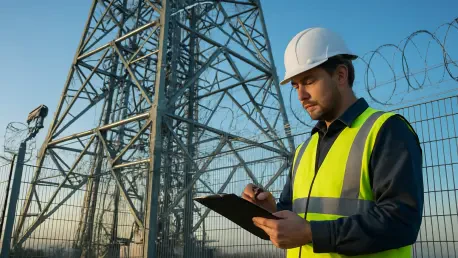
Geographic challenges are further complicating the insurance landscape, particularly for broadcasters operating in regions prone to extreme environmental hazards or those in states with limited regulatory support. For instance, in states like California, media outlets often find themselves excluded from certain state-sponsored safety nets, forcing them to rely entirely on the private market for coverage against wildfires and seismic activity. To remain insurable in these high-risk zones, broadcasters must adopt an aggressive checklist of preventative measures designed to harden their sites against both natural and man-made threats. This includes the widespread implementation of high-security fencing, advanced motion-sensing alarms, and 24/7 video surveillance at remote tower locations. These upgrades are no longer viewed as optional luxuries but as essential requirements for securing any level of coverage. Insurers are increasingly conducting their own site inspections and will often deny coverage or significantly hike rates if they find that security measures are inadequate. By investing in these physical improvements, broadcasters can demonstrate a commitment to risk mitigation that can offset some of the geographic disadvantages they face. This “hardened site” approach is becoming the industry standard for those looking to maintain long-term operational stability in volatile regions.
Strategic Resilience: Building a Sustainable Future
The broadcasting industry successfully navigated a period of intense transition by moving beyond traditional reactive models of risk management. By 2026, the most resilient organizations had adopted a holistic view of their operational vulnerabilities, integrating technical maintenance, legal rigor, and financial foresight into a unified strategy. These stations recognized that the era of low-cost, comprehensive insurance was gone, replaced by a market that demanded transparency and active participation from the insured. They moved away from the simple pursuit of the lowest premium and instead invested in the clarity of their risk profiles, providing underwriters with the data necessary to justify more competitive rates. This shift required a fundamental change in internal culture, where site security and infrastructure hardening were treated as profit-preserving activities rather than mere expenses. The implementation of strict vendor protocols and the strategic bundling of policies allowed these forward-thinking broadcasters to shield their primary assets from unnecessary exposure. Through these actions, they managed to stabilize their insurance costs and secure the long-term viability of their transmission capabilities, even as external threats from vandalism and climate volatility continued to grow in frequency and intensity.
Looking toward the future, the lessons learned during this period of market tightening provided a roadmap for sustainable growth and operational security. Broadcasters who embraced proactive site management and regular asset valuation were better positioned to weather the economic pressures of rising material costs and labor shortages. They established a precedent for industry-wide standards that prioritized the hardening of remote facilities and the adoption of advanced monitoring technologies. Moving forward, the integration of real-time risk assessment tools and AI-driven predictive maintenance will likely become the next frontier in controlling insurance expenditures. By maintaining high-quality documentation and fostering strong, data-driven relationships with their carriers, stations can continue to influence the terms of their coverage. The focus must remain on reducing the severity and frequency of claims through a combination of physical security and strategic liability transfer. Ultimately, the stations that flourished were those that viewed insurance management as a core competency of their leadership teams. By continuing to refine these practices and adapting to new technological and environmental challenges, the broadcasting sector will ensure its continued role as a vital source of information and entertainment for a global audience.