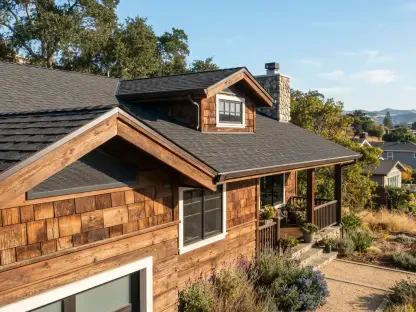

Owning a piece of architectural history often feels like a romantic endeavor, yet the financial reality of protecting these assets reveals a startling disparity in the modern insurance landscape. Recent market data highlights a significant “premium gap” that separates heritage homeowners from those in contemporary residences. Specifically, individuals residing in homes constructed before the First World War currently navigate insurance premiums that are often more than double the costs associated with modern builds. This 110% gap is not merely a statistical anomaly but a reflection of the profound risks and replacement values inherent in older structures. Current figures show that while a homeowner in a post-2000 property might pay an average of £179 annually, those in pre-WWI properties face an average burden of £376.
The Evolution of Building Standards and Insurance Valuation
The divide between historic and modern insurance costs is deeply rooted in the shifting methodologies of the construction industry over the last several centuries. While residences built during the current era benefit from standardized components and uniform building codes, period properties—ranging from the Stuart era to the Edwardian period—utilize localized techniques that have long been phased out of mainstream use. Historically, insurers focused on the perceived durability of thick stone walls or heavy timber frames. However, as the valuation industry matured, the focus shifted toward “rebuild cost,” which accounts for the transition from 17th-century artisanal masonry to 21st-century mass production. This shift fundamentally changed how risk is calculated, as replacing a unique historical feature is far more complex than purchasing a modern equivalent.
Navigating the Financial Burden of Architectural Heritage
The High Cost of Specialized Craftsmanship and Rare Materials
The financial strain of insuring a historic home is inextricably linked to the complexity of its original construction materials. Market analysis identifies a clear hierarchy of expense based on architectural erStuart-era homes carry the highest annual premiums, often reaching £545, followed by Georgian and Tudor properties. Even though Victorian and Edwardian homes are generally more affordable, they still command higher rates than modern properties due to the high “rebuild value.” Sourcing materials like lime plaster, specific types of timber framing, or hand-carved stone requires not only high material costs but also the employment of specialist tradespeople. These artisans possess rare skills that are no longer common in the general labor market, driving the total value at risk to extraordinary levels.
The Legal Implications and Underinsurance Risks of Listed Buildings
For properties designated as listed buildings, the insurance challenge is magnified by stringent legal mandates that govern restoration. Owners of these protected structures are often required by law to repair or rebuild using specific period-appropriate materials to preserve historical integrity. Specialist insurers estimate that the actual rebuild costs for these properties can be two to three times higher than those for standard properties. This creates a critical risk of underinsurance, as many owners mistakenly rely on generic policies designed for modern homes. These standard policies frequently fail to cover the mandatory expenses of specialized labor and authentic materials, potentially leaving homeowners with massive financial shortfalls during a total loss.
Structural Vulnerabilities and the Impact of Regional Climate Shifts
Beyond the materials, the physical foundations of historic homes present unique risks that modern architecture has largely solved. Older properties frequently lack the deep, reinforced foundations and advanced damp-proofing systems found in contemporary buildings. This makes them disproportionately susceptible to subsidence, particularly as the climate shifts toward more extreme weather cycles. Record-breaking heatwaves have already triggered surges in subsidence claims due to soil shrinkage around shallow footings. Furthermore, the absence of modern drainage systems leaves historic stock exposed to increasing flood risks. Projections suggest that the number of properties facing such risks will continue to rise, further widening the insurance gap.
Economic Outlook and the Future of the Heritage Insurance Market
While the premium gap remains substantial, the market has recently seen a temporary softening with average premiums for period properties experiencing a slight decline due to increased competition. However, industry analysts warn that this relief is likely a short-term trend. Insurers are currently facing “Net Combined Ratios” exceeding 100%, meaning they are paying out more in claims and operating costs than they are collecting in premiums. To return to profitability, insurance providers will likely be forced to raise rates throughout 2026 and 2027, particularly for high-risk heritage categories. As environmental regulations tighten and the cost of carbon-heavy traditional materials rises, the expense of maintaining these homes will continue to evolve.
Strategic Recommendations for Managing Period Property Insurance
Navigating the complexities of historic home ownership requires a proactive approach to risk management that moves away from “one-size-fits-all” products. Homeowners should seek out specialist providers who demonstrate a deep understanding of heritage architecture and its unique requirements. A critical best practice involved obtaining a professional “rebuild cost assessment” rather than relying on standard market value calculators. This ensured that the policy limit reflected the actual cost of specialist labor and rare materials. Additionally, investing in preventative maintenance, such as modernizing antiquated electrical and plumbing systems, helped mitigate the likelihood of claims and potentially lowered the long-term cost of coverage.
Preserving the Past in an Unpredictable Financial Future
The significant insurance gap for historic homes served as a clear indicator of the extraordinary craftsmanship and environmental vulnerabilities inherent in the past. While the 110% premium disparity presented a challenge, it highlighted the immense value of the architectural legacy that defined the landscape. As climate risks and economic pressures shifted, the importance of era-specific insurance coverage became undeniable. Ultimately, understanding the factors that drove these costs allowed homeowners to better preserve cultural treasures for the next generation. These strategies ensured that the financial stability of the owner remained as robust as the historic foundations they sought to protect.