
Parametric hurricane policies rely on objective third-party data from the National Hurricane Center to trigger rapid payouts based on storm proximity and intensity. As the 2026 Atlantic hurricane season draws to a close, coastal businesses are shifting their focus toward the critical January 1 renewal cycle. This period often presents a strategic window for insurance brokers to address the persistent coverage gaps that traditional indemnity-based programs frequently leave behind. Vortex Weather Insurance has recognized this seasonal transition by releasing a specialized white paper and conversation guide designed specifically for commercial producers. This initiative aims to shift the narrative from a reactive posture based on recent storm headlines to a proactive risk management strategy that prioritizes cash-flow stability. By integrating supplemental weather insurance into standard renewal discussions, brokers can provide a more resilient financial framework for clients operating in high-risk zones, ensuring that a lack of physical damage does not lead to a loss of liquidity.
1. Evaluating Vulnerability and Policy Shortfalls
Determining a client’s potential cash-flow risk is the foundational step in any robust renewal conversation concerning hurricane exposure. Brokers must look beyond the physical structure of a building and consider how much liquidity could be evaporated if a major storm passes within a 60-mile radius. Even in instances where a hurricane does not make direct landfall or cause structural failure, the surrounding economic environment often experiences severe disruption. Mandatory evacuations, restricted road access, and localized power outages can cause a business to remain shuttered for days or even weeks. For industries like hospitality, golf, and retail, these lost days of operation represent revenue that is rarely recovered, creating a financial strain that traditional property insurance is not designed to mitigate. Quantifying these specific operational risks allows a broker to demonstrate the real-world value of a payout that is triggered by the storm’s presence itself, regardless of the physical aftermath on the property.
Examining the shortfalls in current property and flood programs often reveals a significant amount of skin in the game for the insured, which can be dangerous for smaller or cash-constrained organizations. Many standard coastal policies carry wind and hail deductibles ranging from two to five percent of the total insured value, which can translate into hundreds of thousands of dollars in out-of-pocket expenses before a claim is even paid. Furthermore, traditional business income coverage frequently includes a waiting period deductible, often between 48 and 72 hours, which may exclude shorter but still costly interruptions. There is also the persistent issue of non-damage business interruption, where a business loses income due to area-wide utility failures despite having no damage to its own premises. Identifying these gaps during the renewal process highlights the necessity of a supplemental layer that can provide immediate funding to cover these high deductibles and uncompensated income losses.
2. Presenting the Parametric Alternative
Introducing the parametric alternative as a straightforward solution provides brokers with a powerful tool to address the complexities of modern weather risk. Unlike traditional indemnity insurance, which requires a lengthy and often subjective claims adjustment process, parametric policies operate on clear, objective criteria that are determined before the policy is ever bound. The trigger is typically based on a combination of storm intensity, as categorized by the Saffir-Simpson scale, and the proximity of the hurricane’s path to the insured location. This data is pulled directly from the National Hurricane Center, ensuring that there is no ambiguity or dispute regarding whether a payout has been earned. For a client, this means that the uncertainty of the claims process is replaced by a transparent matrix that outlines exactly how much capital will be delivered based on the specific characteristics of the event. This objectivity transforms the insurance policy from a complex legal contract into a predictable financial instrument.
The rapid delivery of funds is perhaps the most significant advantage of the parametric model, as it provides the immediate liquidity needed to jumpstart recovery efforts. Most parametric payouts are issued in less than thirty days, which is a stark contrast to the months or years it can take to settle a traditional large-scale property claim. Because there is no requirement to prove a specific physical loss or provide extensive documentation of repair costs, the insured receives a lump-sum payment that can be used with total flexibility. These funds can be directed toward debris removal, emergency generator fuel, employee payroll during a closure, or even marketing campaigns to draw customers back once the storm has passed. For brokers, presenting this speed and flexibility as a cash-flow safety net changes the conversation from a discussion about premiums and limits to one about strategic resilience. It allows them to offer a product that functions as a critical bridge keeping the business operational while traditional claims are processed.
3. Providing Estimates and Addressing Concerns
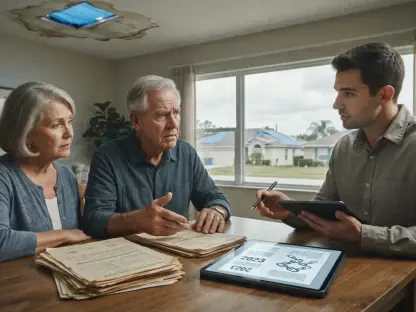
Offering a specific quote that includes a detailed payout matrix is essential for helping a client visualize the impact of supplemental hurricane coverage. Brokers can utilize advanced modeling tools to create scenarios based on different storm categories and distance radii, such as a 30-mile or 60-mile circle around the property. For example, a proposal might show that a Category 2 storm passing within 30 miles would trigger a twenty-five percent payout of the policy limit, while a Category 4 storm would result in a full hundred-percent payout. This level of detail allows the business owner to align the insurance coverage with their specific emergency response plans and anticipated cash needs. Presenting these options alongside the primary property and business income schedules at renewal time makes the supplemental policy a natural extension of the core risk management program. It provides a tangible financial anchor that the client can rely on to cover the immediate costs of a storm, such as securing the site.
Navigating client concerns and potential pushback requires a clear explanation of how the parametric layer complements, rather than replaces, the existing insurance portfolio. One common objection is the perceived cost of an additional premium, but brokers can counter this by highlighting the potential savings in total risk cost when compared to high deductibles and uninsured gaps. It is also important to clarify that if a storm does not enter the designated radius, the policy does not trigger, but the business has still benefited from having a guaranteed source of liquidity in place. Explaining that the funds can be used for any business purpose further reinforces the value proposition, especially for industries that face unique challenges like course repairs for golf clubs or community cleanup for homeowners’ associations. By proactively addressing these questions, brokers can demonstrate that they are not simply selling another product, but are instead providing a comprehensive strategy to protect the client’s balance sheet.
4. Strategic Implementation for Coastal Resilience
The introduction of this broker-focused guide provided a structured path for risk advisors to navigate the complexities of the renewal season with greater confidence. By moving beyond traditional indemnity models, the framework allowed producers to offer concrete solutions for the liquidity crises that often follow significant weather events. To implement these strategies effectively, brokers prioritized filtering their portfolios for high-exposure accounts in the hospitality and multi-family housing sectors. Utilizing modeling tools helped quantify potential cash-flow gaps and present a visual matrix that simplified the value proposition for the end client. Proactive engagement during the January renewal window ensured that organizations were not left scrambling for coverage as the next peak season approached. Looking ahead, the focus remains on diversifying risk transfer mechanisms to include data-driven parametric layers. By adopting these steps, brokers successfully transitioned to essential strategic partners in their clients’ long-term success.